The Most Popular Types of Cheese for Each Region of the World

Cheese has been an essential part of diets around the world for centuries. Each region offers unique types of cheese that reflect local traditions, ingredients, and climates. In this article, we will look at some of the most popular cheeses from different regions to give you insight into the cultures that produce them.
Europe
Europe is known for its rich variety of cheeses, each with its own story and flavor profile. Here are some of the most popular types of cheese from Europe.
Brie (France)
Brie is one of the most famous cheeses from France. Known for its soft, creamy texture and mild flavor, it is often enjoyed as a dessert cheese. Brie is made from cow's milk and is named after the region where it originated. The cheese has a bloomy rind, which is edible.
This cheese is often paired with fruit or served with bread. Brie has become a symbol of French cuisine and is loved worldwide for its smooth, buttery consistency. Its popularity has led to many variations, including double and triple cream versions that have even richer flavors.
Parmesan (Italy)
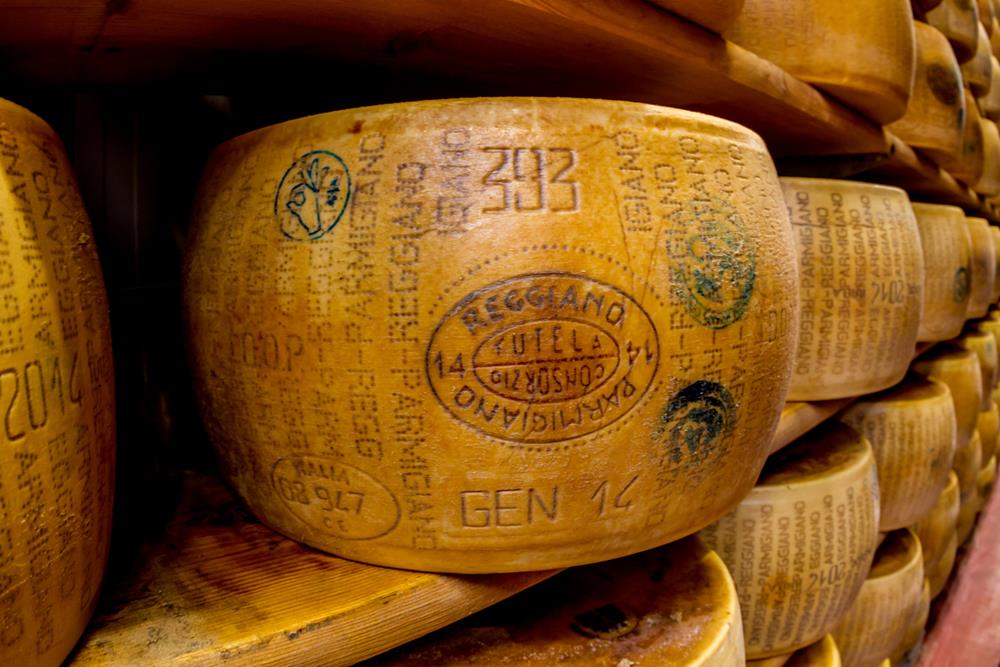
Parmesan, also known as Parmigiano-Reggiano, is a hard, granular cheese from Italy with a strong, nutty flavor. It is typically aged for one to three years, intensifying its taste and creating its distinctive texture. Parmesan is made from cow's milk and requires a strict production process to maintain its authentic quality.
This cheese is widely used in Italian cooking, particularly as a topping for pasta and risotto. It is often grated or shaved to enhance the flavor of dishes. The cheese's long history and strict regulations on production make it one of Italy's most treasured exports.
Manchego (Spain)
Manchego is a popular Spanish cheese made from sheep's milk. It originates from the La Mancha region and is known for its firm texture and slightly sharp taste. The cheese is aged for several months, which helps develop its complex flavor. Manchego's unique pattern on the rind comes from the traditional basket molds used during production.
The flavor of Manchego varies depending on its age, with younger versions being milder and older ones offering a sharper bite. It is often served with olives and bread.
Gruyère (Switzerland)
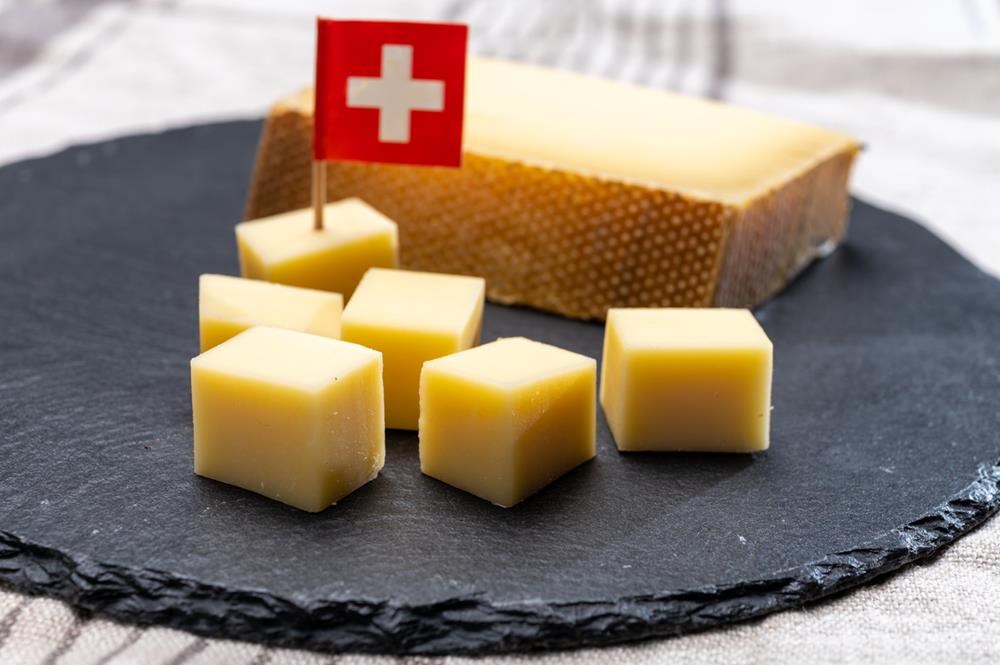
Gruyère is a Swiss cheese known for its smooth texture and slightly sweet, nutty flavor. It is made from cow's milk and is aged for several months, which gives it a firm yet creamy consistency. Gruyère is a key ingredient in fondue and also works well in dishes like quiches and gratins.
The cheese melts beautifully, making it ideal for cooking. Its versatility and rich taste have made it a staple in Swiss households and a favorite among cheese lovers around the world.
Feta (Greece)
Feta is one of the most recognizable Greek cheeses, made primarily from sheep's milk or a blend of sheep and goat's milk. It has a crumbly texture and a tangy, salty flavor. Feta is usually stored in brine, which helps preserve its sharpness and gives it a slightly moist consistency.
Feta is often used in salads, especially the classic Greek salad, and pairs well with vegetables and herbs. Its distinct flavor adds a fresh, zesty touch to many Mediterranean dishes.
The Americas
Cheese in the Americas is as diverse as the cultures and traditions found throughout the region. Below are some of the most popular types of cheese across the Americas.
Cheddar (United States)
Cheddar is one of the most widely known cheeses in the United States. It is a hard, sharp cheese that comes in various forms, from mild to extra sharp, depending on its aging process. Made from cow's milk, cheddar originated in England but quickly became a staple in American kitchens due to its versatile flavor and use in cooking.
Cheddar is often used in sandwiches, burgers, and macaroni and cheese. Its melting quality makes it ideal for many dishes, while its sharp taste adds depth to meals. American cheddar is slightly different from its English counterpart, often being more orange in color due to the addition of annatto.
Queso Fresco (Mexico)
Queso Fresco is a popular fresh cheese in Mexico made from cow's milk or a combination of cow's and goat's milk. It has a soft, crumbly texture and a mild, salty flavor. The cheese is not aged, which gives it a light and fresh taste, making it ideal for use in a variety of dishes.
Queso Fresco is often sprinkled over tacos, enchiladas, and salads to add a light, tangy element. Because it does not melt well, it is typically used as a topping rather than a cooking cheese.
Minas Cheese (Brazil)
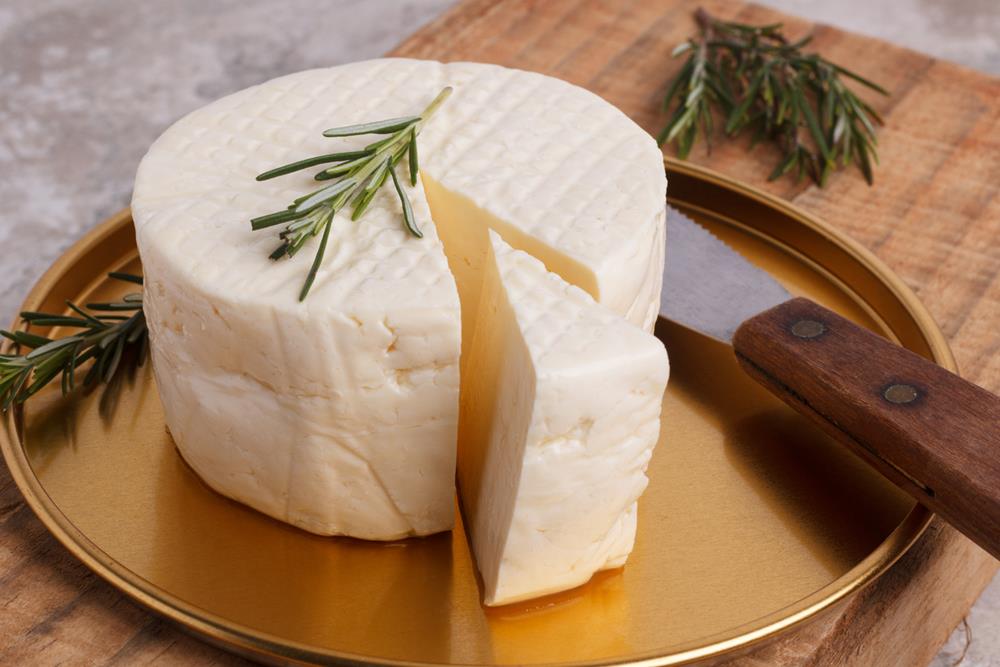
Minas cheese comes from the state of Minas Gerais in Brazil. It is a mild, white cheese with a soft, slightly spongy texture. Minas cheese is often served fresh but can also be found in semi-hard and matured varieties. The fresh version has a delicate taste, making it perfect for pairing with fruit or bread.
The cheese is a central part of the Brazilian snack called pão de queijo, a small cheese bread roll that is popular throughout the country. Minas cheese also works well in sandwiches and breakfast dishes, giving a mild yet pleasant flavor to simple meals.
Monterey Jack (United States)
Monterey Jack is a semi-hard cheese from California. Its mild, buttery flavor and creamy texture make it versatile in cooking. This cheese is often aged for a short period, keeping its flavor light and easy to pair with other ingredients.
Monterey Jack is popular in Mexican-American cuisine, often melted into dishes like quesadillas and nachos. Variations of this cheese exist, including Pepper Jack, which includes spicy peppers for an added kick. Its ability to melt smoothly makes it a favorite for cooking and snacking.
Asia
Although cheese is not as widespread in Asia as in other regions, certain types have gained popularity over the years. Here are some of the most popular types of cheese in Asia.
Paneer (India)
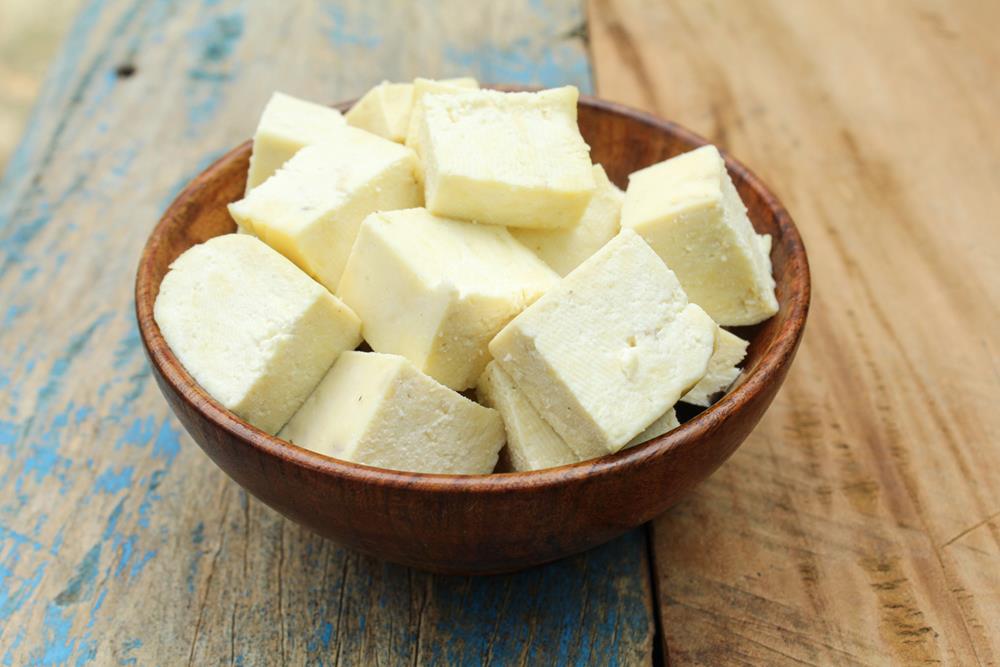
Paneer is a fresh cheese made from cow's or buffalo's milk. It is a soft, non-aged cheese that has a mild flavor and a firm, crumbly texture. Paneer is widely used in Indian cuisine and is a common ingredient in both vegetarian and non-vegetarian dishes. Unlike many other cheeses, paneer does not melt.
Paneer is often used in dishes like palak paneer, a spinach-based curry, or paneer tikka, where the cheese is marinated and grilled. Its ability to absorb flavors makes it versatile in a range of dishes, from savory curries to appetizers. Paneer is one of the most widely consumed cheeses in India and has spread to other parts of the world.
Rubing (China)
Rubing is a fresh cheese from Yunnan Province in China, traditionally made from goat's milk. Its soft texture and light, mild flavor make it versatile in cooking. Rubing is usually served fresh, either grilled or stir-fried, giving it a slightly crispy outer layer while maintaining its soft interior.
The cheese is often paired with simple seasonings like salt or soy sauce to highlight its natural flavors. Rubing is not commonly found outside of Yunnan but remains a favorite in the region due to its mild taste and ability to complement a variety of local dishes.
Sakura Cheese (Japan)
Sakura Cheese is a unique Japanese cheese made from cow's milk and flavored with cherry blossoms. This soft cheese has a delicate, floral flavor and is wrapped in cherry blossom leaves, giving it a distinct appearance and taste. The cheese is usually enjoyed fresh and is often served with wine or as part of a cheese platter.
Sakura Cheese is considered a gourmet product in Japan and is often associated with fine dining. Its mild, sweet flavor pairs well with both savory and sweet accompaniments. Though not widely available outside Japan, it represents the country's growing interest in artisanal cheese-making.
Middle East and North Africa
Cheese plays an important role in the culinary traditions of the Middle East and North Africa. The region is known for its diverse and unique cheeses, many of which are enjoyed fresh or preserved for long periods. Check out these popular types of cheese from the Middle East and North Africa.
Feta (Greece and the Middle East)
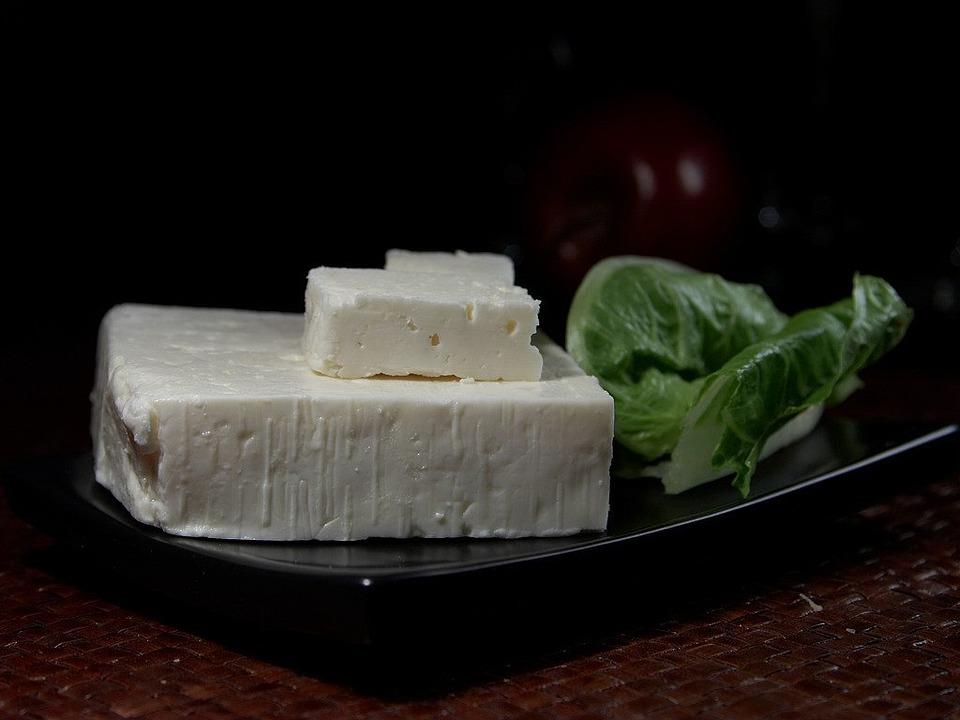
Feta is one of the most famous cheeses in the region, made primarily from sheep's milk or a combination of sheep and goat's milk. It has a crumbly texture and a tangy, salty flavor. Feta is stored in brine, which helps preserve its sharp taste and gives it a slightly moist consistency.
Feta is often added to salads, especially the well-known Greek salad, and pairs well with herbs, olives, and fresh vegetables. Its strong flavor makes it an excellent addition to both cold and hot dishes, and it is commonly used in pastries like spanakopita or paired with watermelon in summer salads.
Halloumi (Cyprus and the Middle East)
Halloumi is a semi-hard cheese made from a mixture of goat's and sheep's milk, though cow's milk is sometimes used. It has a high melting point, which makes it ideal for grilling or frying. The cheese is firm and salty, with a slightly rubbery texture that holds up well to heat. Halloumi originated in Cyprus but is now popular throughout the Middle East.
Grilled halloumi is often served on a mezze platter alongside bread, olives, and fresh vegetables. Its ability to hold its shape when cooked makes it a versatile option for salads, sandwiches, and even main courses.
Domiati (Egypt)
Domiati is a soft white cheese from Egypt made from buffalo or cow's milk. It is often stored in brine, giving it a salty flavor similar to feta. Domiati is one of the most widely consumed cheeses in Egypt and has been part of the local diet for centuries. Depending on how long it is aged, its texture can range from soft and spreadable to firm.
Domiati is used in a variety of dishes, from simple breakfasts served with bread to more complex pastries and pies. The cheese's saltiness pairs well with vegetables, making it a common ingredient in salads and appetizers.
Tulum (Turkey)
Tulum is a traditional Turkish cheese made from goat's or sheep's milk. It is aged in goat or sheep skins, which gives it a distinct flavor and texture. The cheese is crumbly with a sharp, tangy taste that intensifies as it ages. Tulum is a popular choice in Turkey, especially in rural areas where traditional methods of cheese-making are still practiced.
Tulum is often served with bread and olives or crumbled over salads and meat dishes. Its strong flavor makes it a good accompaniment to robust, savory foods. The cheese's aging process in animal skins sets it apart from other cheeses.
Sub-Saharan Africa
Cheese in the Middle East and Sub-Saharan Africa varies greatly in texture and flavor and these reflect the different climates and traditions of these regions. These are some of the most popular types of cheese in these regions.
Halloumi (Middle East)
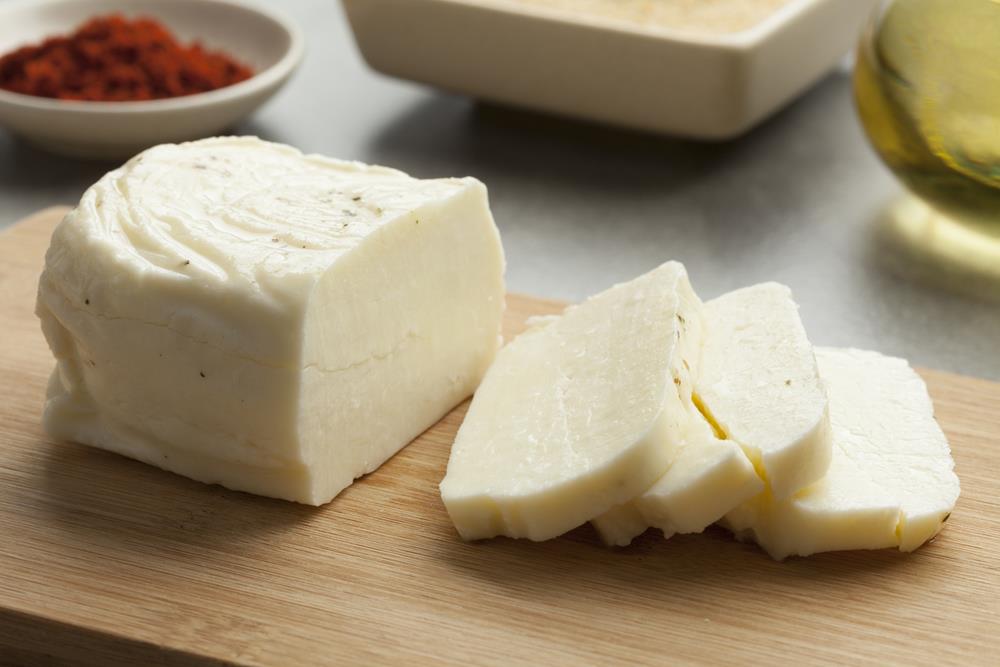
Halloumi is a semi-hard cheese traditionally made from a mixture of goat's and sheep's milk. It has a firm texture and a salty flavor, and it is well known for its ability to withstand high heat without melting. This makes it perfect for grilling or frying. Originating from Cyprus, Halloumi is now popular throughout the Middle East and beyond.
Halloumi is often served on a mezze platter, grilled or pan-fried until golden brown. Its chewy texture and salty taste pair well with fresh vegetables and bread. The cheese's versatility has made it a favorite in Middle Eastern cooking, and it is also gaining popularity in other parts of the world.
Ayib (Ethiopia)
Ayib is a fresh, crumbly cheese from Ethiopia made from cow's milk. It has a mild, slightly tangy flavor and a soft texture. Ayib is not aged, so it retains a freshness that makes it perfect for balancing out spicy dishes. Due to its crumbly consistency, it is often compared to cottage cheese.
Ayib is typically served as a side dish to spicy stews, such as the traditional Ethiopian dish called wat. The cheese helps to cool the heat of the spices and adds a pleasant contrast to the bold flavors of the stews. Ayib is a common ingredient in Ethiopian households and is often enjoyed as part of a family meal.
Domiati (Middle East)
Domiati is a soft white cheese from Egypt made primarily from buffalo's or cow's milk. It is often preserved in brine, which gives it a salty taste and helps it last for long periods. Domiati is one of the most popular cheeses in Egypt and is commonly eaten at breakfast or as part of a snack.
Domiati is used in salads, served with bread, or incorporated into various pastries. Its salty flavor complements many different ingredients, and its versatility makes it a favorite in Egyptian cuisine. The cheese's ability to stay fresh for long periods due to the brining process also makes it ideal for warmer climates.
Karoo Blue (South Africa)
Karoo Blue is a soft blue cheese made from cow's milk in the Karoo region of South Africa. It has a creamy texture and a mild flavor compared to other blue cheeses. The cheese is aged for a few weeks, allowing the blue veins to develop and give it a distinct taste that is both savory and slightly tangy.
Karoo Blue is often served on cheese boards with crackers or bread, and its mild flavor makes it approachable even for those who do not typically enjoy stronger blue cheeses. The cheese is gaining popularity in South Africa and is considered one of the country's premium artisanal cheeses.
Australia and New Zealand
Both Australia and New Zealand have developed their own styles of cheese, influenced by European traditions but adapted to local climates and tastes. Here are some of the most popular cheeses from Australia and New Zealand.
King Island Dairy Blue (Australia)
King Island Dairy Blue is a soft blue cheese made on King Island, located between Australia and Tasmania. The island's cool climate and rich pastures make it ideal for producing high-quality cheese. King Island Blue is known for its creamy texture and well-balanced flavor, with the blue veins providing a slight tang.
This cheese is often served with fruit and crackers, making it perfect for a cheese board. Its mild flavor and creamy texture make it approachable for those who are not accustomed to stronger blue cheeses. King Island Dairy Blue has won numerous awards and is a favorite among Australian cheese lovers.
Tasmanian Heritage Brie (Australia)
Tasmanian Heritage Brie is a soft, white cheese made from cow's milk. It has a rich, buttery flavor and a creamy texture, typical of a high-quality Brie. Produced in Tasmania, the cheese benefits from the island's lush pastures and clean air. Tasmanian Brie is often considered one of the best examples of Brie outside France.
Cheese is often enjoyed on a cheese platter, paired with fresh fruit or bread. Its soft, gooey interior and delicate flavor make it a popular choice for entertaining.
Mainland Vintage Cheddar (New Zealand)
Mainland Vintage Cheddar is a sharp, aged cheddar produced in New Zealand. Aged for over a year, this cheddar develops a rich, tangy flavor and a firm, crumbly texture. It is one of the most popular types of cheddar in New Zealand, appreciated for its bold taste and versatility in cooking.
Mainland Vintage Cheddar is often used in sandwiches, melted into sauces, or simply enjoyed on its own. Its sharpness adds depth to many dishes, making it a favorite among New Zealanders. The cheese's aging process allows it to develop a complexity that sets it apart from milder cheddars.
Conclusion
Cheese is a universal food that connects people across cultures and continents. Each region has its own distinct varieties that reflect local ingredients and traditions. No matter where you are in the world, there is a cheese to enjoy that tells the story of the region it comes from.