The Reasons Why Real Parmesan Cheese is Expensive
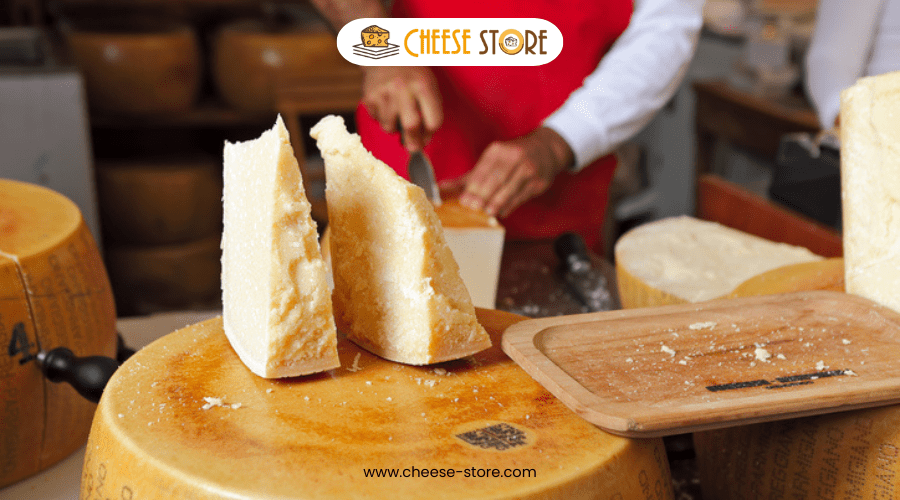
Real Parmesan cheese, also known as Parmigiano-Reggiano, is one of the most expensive cheeses in the world. This is not only because of its rich flavor but also because of the strict process involved in making it.
From the specific regions in Italy where it must be produced to the long aging process, many factors contribute to its high price. Here are the reasons why real Parmesan cheese is expensive.
Strict Production Requirements
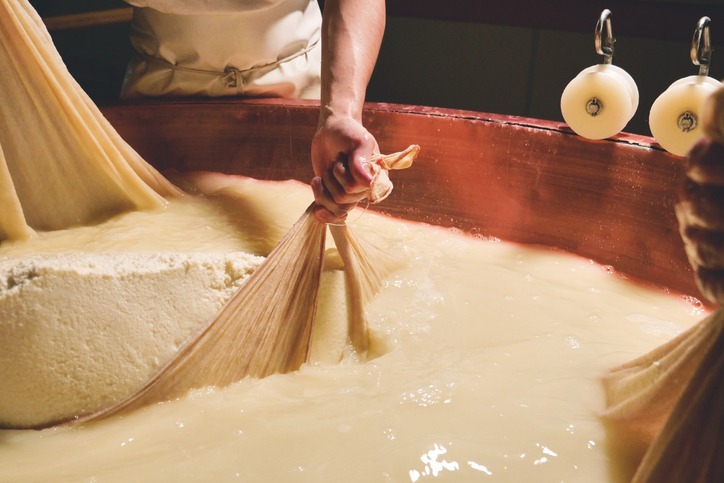
Parmigiano-Reggiano is produced under strict guidelines that protect its authenticity. It must be made in specific regions of Italy, including Parma, Reggio Emilia, Modena, and parts of Bologna and Mantua. These areas are the only places where cheese is legally allowed to be produced.
The Protected Designation of Origin (PDO) label further controls production. This legal framework protects the name and guarantees that only cheese made under these rules can be called Parmigiano-Reggiano. The PDO status helps maintain the cheese's quality and heritage, but it also increases the cost by limiting where and how it is made.
High-Quality Ingredients
The high-quality ingredients used in Parmigiano-Reggiano are a major reason for its distinct flavor and higher price. The milk used in this cheese comes from cows raised on specific diets that include only natural grasses and hay.
The cows graze in the same regions where the cheese is made, giving the milk a unique flavor that reflects the local environment. The cheesemakers collect the milk twice a day.
The milk used in Parmigiano-Reggiano is raw, meaning it is not pasteurized. This allows the natural bacteria in the milk to contribute to the development of flavor during the aging process. The only other ingredients added to the milk are rennet and salt. There are no additives, preservatives, or artificial flavors involved, which is rare in modern cheese production.
The cows that produce the milk for Parmigiano-Reggiano are also held to strict standards. They are not allowed to be fed fermented feed or silage, which is common in industrial dairy farming. This diet helps maintain the purity of the milk and contributes to the cheese’s distinct taste.
The quality of the ingredients also affects the texture and consistency of the cheese. Because no artificial stabilizers or preservatives are used, the cheese develops its own natural texture as it ages. The salt used in the process is absorbed into the cheese during the aging process, giving it a balanced, savory flavor.
Long Aging Process
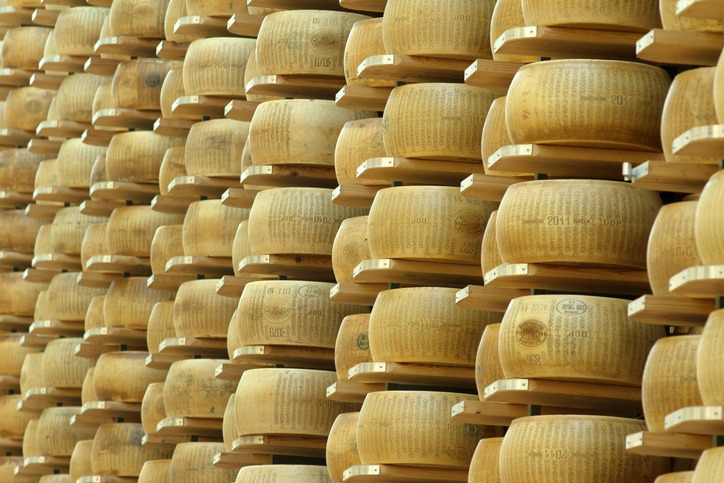
Parmigiano-Reggiano must age for a minimum of 12 months, though many wheels are aged for 24, 36, or even 48 months. As the cheese ages, it develops a harder texture and a more complex, nutty flavor. This extended aging process is one of the reasons why real Parmesan cheese is more expensive than other varieties.
During aging, the wheels are stored in temperature-controlled environments where they are regularly turned and inspected. This manual care helps the cheese age evenly. The longer it ages, the more moisture it loses, leading to a crumbly texture and concentrated flavor.
Cheeses that are aged for 24 months or more often have tiny, crunchy crystals that form as a result of protein breakdown. These crystals add to the cheese's appeal and are a hallmark of high-quality aged Parmesan.
The aging process also requires patience and space. Hundreds of wheels of cheese are stacked in aging rooms for years, tying up resources and requiring regular attention from the cheesemaker. Each wheel is inspected and tested to make sure it is aging properly. If a wheel doesn’t meet the standards, it won’t be labeled as Parmigiano-Reggiano.
Cheesemakers must wait months or even years before their product can be sold, which affects the overall production cycle. This long investment in time adds to the price, but it also guarantees that the cheese develops the deep flavors that people expect from real Parmesan.
Small-Scale Production
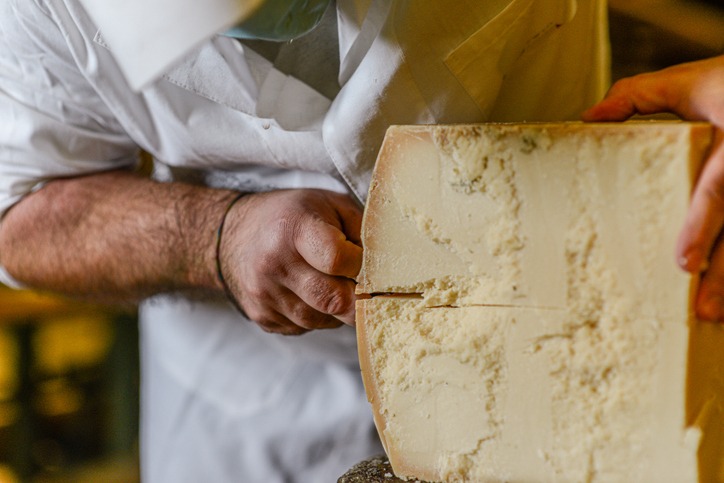
Parmigiano-Reggiano is produced on a relatively small scale compared to industrial cheeses. Most of the cheese is made in small dairies in specific regions of Italy, where traditional methods are followed closely. These dairies are often family-run and have been producing cheese the same way for generations.
The cheesemaking process is still largely done by hand, with cheesemakers overseeing each stage, from curdling the milk to shaping the wheels. Unlike industrial cheeses that use machines to speed up production, Parmigiano-Reggiano relies on skilled artisans to handle every detail.
Small-scale production also means that each batch of cheese is slightly different, depending on factors like the season, the diet of the cows, and the local environment. The cheesemakers take pride in producing a cheese that reflects the specific region and traditions where it is made.
Because the production is limited to specific regions and dairies, Parmigiano-Reggiano is not available in the same quantities as cheaper cheeses. This scarcity drives up the price, especially as global demand for cheese continues to grow.
Cheesemakers in Italy must adhere to strict regulations to maintain the authenticity of the cheese, which means they cannot expand production easily or cut corners to lower costs.
Transportation and Export Costs
Transporting Parmigiano-Reggiano from Italy to markets around the world adds to its overall cost. The cheese is produced in large wheels, each weighing around 80 pounds, making shipping a logistical challenge. These wheels are heavy and require special handling to prevent damage during transport.
Exporting the cheese also involves careful regulation to maintain its authenticity. The cheese must be stored and shipped under specific conditions to preserve its quality. Exporters need to manage the long journey while keeping the cheese fresh, which involves refrigerated shipping and proper packaging.
These added precautions raise the price for international buyers and contribute to the fact that real Parmesan cheese is often more expensive outside of Italy.
Conclusion
The high cost of real Parmesan cheese comes from a combination of factors, including strict production methods, high-quality ingredients, and the long aging process. Each wheel of Parmigiano-Reggiano is the result of time, skill, and tradition. So, it is a cheese that is both unique and worth the investment for those who appreciate its flavor and craftsmanship.