The Ultimate Guide to Taleggio Cheese: Selection and Tasting Tips
If you're a cheese lover looking to expand your palate, Taleggio cheese is a must-try. It's a soft type of cheese from Italy, specifically the Lombardy region. It's more than just cheese—it's a slice of history with centuries of tradition and flavor packed into each bite. Whether you're an experienced cheese aficionado or someone curious about exploring new flavors, Taleggio is an excellent choice. Let's dive into everything you need to know to select, enjoy, and make the most out of this fantastic cheese.
What's the Flavor of Taleggio Like?
Taleggio offers a flavor experience that's both mild and intriguing. At first bite, you'll notice its creamy, melt-in-your-mouth texture, followed by a rich, nutty taste with hints of tangy, fruity undertones. The aroma might be strong—pungent even—but don't let that scare you. Taleggio's scent is bolder than its flavor, creating a surprising contrast that cheese enthusiasts often adore.
Here's what you might taste when enjoying Taleggio:
- Creaminess: A smooth, buttery feel that melts beautifully.
- Nutty and Fruity Notes: A subtle sweetness balanced by a hint of tang.
- Salty Kick: A light saltiness that enhances its rich flavors without overpowering.
This balance makes Taleggio versatile enough to pair with various ingredients, from sweet fruits to savory dishes. Whether you eat it on its own, add it to a dish, or pair it with wine, Taleggio's taste offers a delightful journey for your taste buds.
What Makes Taleggio Cheese Special?
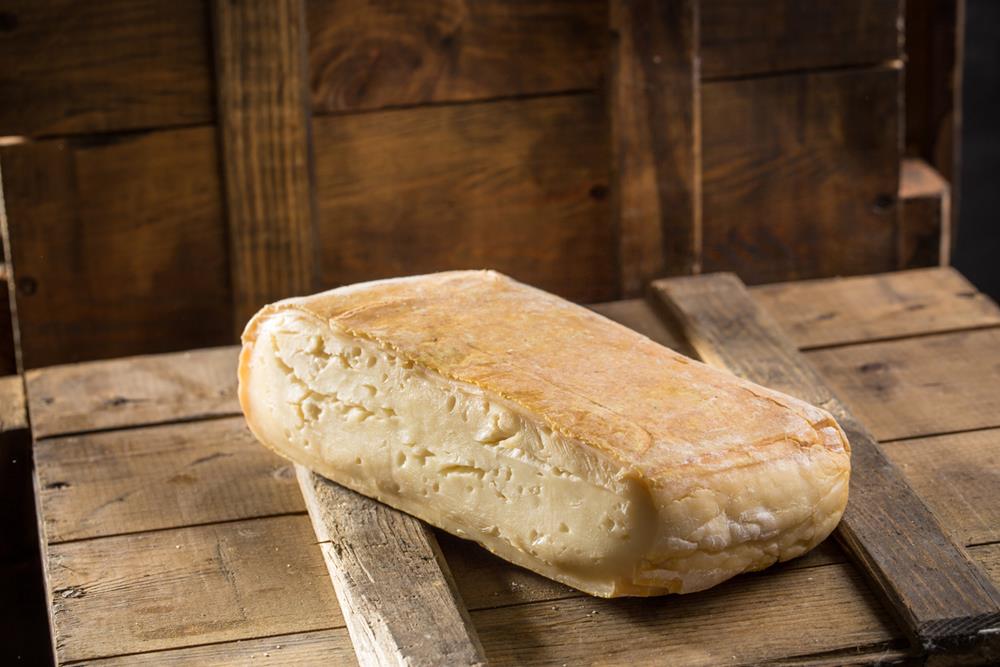
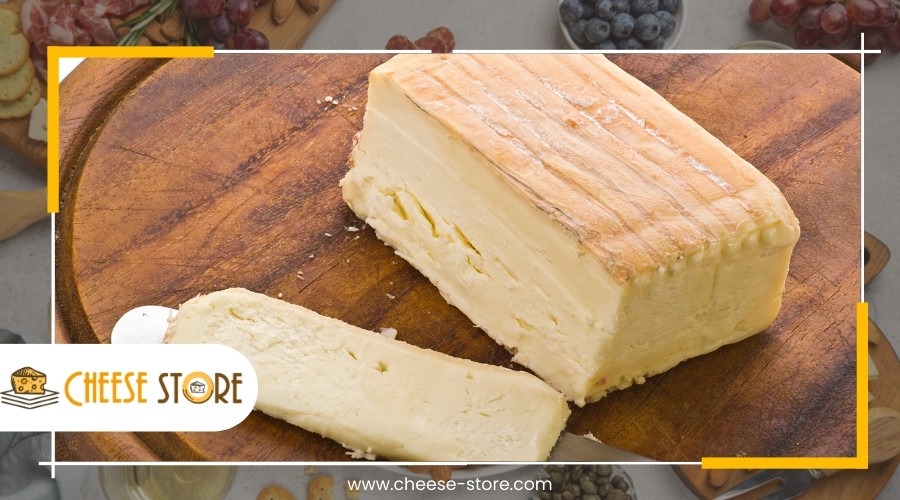
Taleggio cheese is a soft cow's milk cheese with a story to tell. Its roots trace back to the Val Taleggio region in Lombardy, Italy. What sets Taleggio apart is its unique blend of nutty and fruity flavors alongside a creamy texture that's perfect for spreading or melting. The cheese has a thin, edible crust that ranges from pink to orange, sometimes with a few green or gray spots—don't worry, these are completely normal and safe!
Here are a few quick facts about Taleggio:
- Origin: Italy (Lombardy, Veneto, and Piedmont regions)
- Milk type: Cow
- Texture: Soft to semi-soft
- Rind: Thin and edible
- Aroma: Pungent but not overwhelming
- Taste: Nutty, fruity, with a hint of tang
The cheese-making process of Taleggio follows time-honored traditions, ensuring that each bite reflects its authentic Italian heritage. No additives or filters are allowed, so the flavor you experience comes solely from the quality of the milk and the meticulous process used by cheesemakers.
Not to mention, Taleggio is a good source of protein and calcium. It's a treat for cheese lovers who enjoy strong flavors. Whether eaten alone or used in cooking, Taleggio adds a unique touch to meals.
How Taleggio Cheese is Made
The art of crafting Taleggio cheese is a tradition that dates back centuries. This cheese is typically produced in the cooler months, taking advantage of the optimal conditions for aging and flavor development. Here's how Taleggio is made:
- The Milk: Fresh cow's milk, either raw or pasteurized, is used. Traditional artisans often prefer raw milk for its rich flavor profile, while larger producers may use pasteurized milk for consistency.
- Curd Formation: Rennet is added to the milk, forming curds. These curds are then gently cut and drained to remove excess whey.
- Shaping the Cheese: The curds are placed into square molds, giving Taleggio its signature shape. They are left to drain further until firm.
- Salting by Hand: The cheese is salted by hand, which enhances its flavor and aids in preservation.
- Aging: Taleggio is aged on wooden shelves for 25-60 days. During this time, it is regularly turned and washed with seawater. This washing develops the characteristic rose-pink to orange rind while preventing unwanted mold growth.
These steps, performed with care and precision, ensure that each piece of Taleggio reflects the rich history and quality standards that have made this cheese a beloved staple in Italy and beyond.
Tips for Selecting the Best Taleggio Cheese
When it comes to buying Taleggio, quality is key. But how do you know if you're getting the best slice? Here's a quick guide:
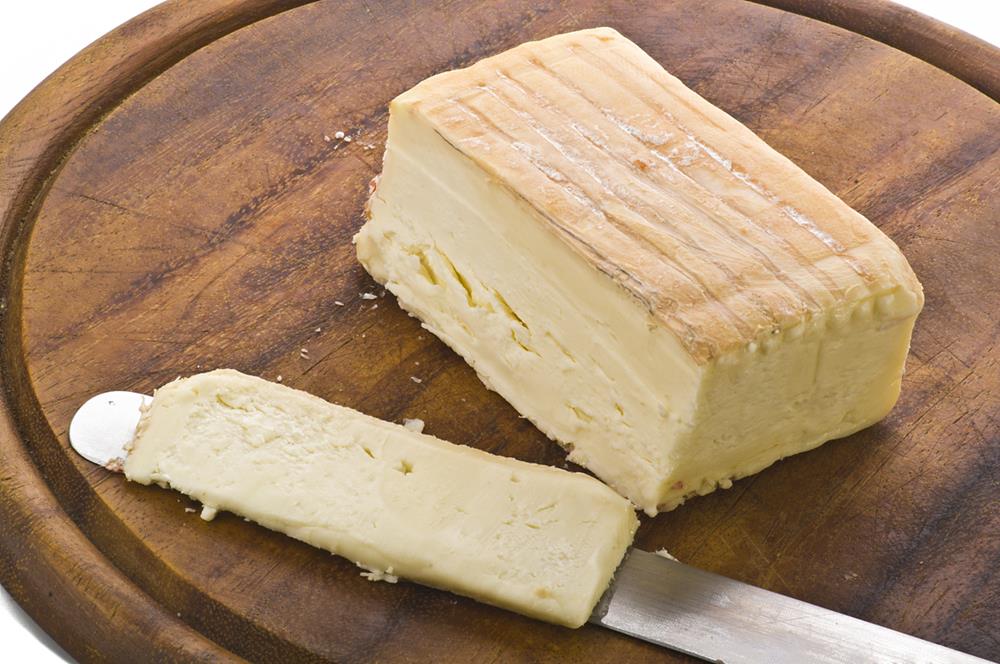
- Check the Color: The inside of a good Taleggio should be white or light yellow, while the rind varies from pink to orange. Some gray or green spots are fine, but any mold inside the cheese is a sign that it's spoiled.
- Smell the Cheese: Taleggio has a strong, pungent smell that's not unpleasant. If the smell feels off or overly intense, it might not be fresh.
- Feel the Texture: The cheese should feel soft and creamy. Avoid pieces that feel too hard or crumbly, as they might be past their prime.
For the best quality, opt for Taleggio from specialty cheese shops or local farmers' markets, where you're likely to find artisan-made varieties. Avoid mass-produced options if you want an authentic experience, as they often use pasteurized milk, which may lack the depth of flavor found in traditional Taleggio. If you're buying cheese online, make sure it's a reputable seller.
Storage and Handling Tips
Now that you've got your perfect piece of Taleggio, how do you store it properly? Because of its semi-soft texture, Taleggio needs a bit of care to maintain its freshness.
- Wrap It Right: Use wax paper or parchment paper instead of plastic wrap to allow the cheese to breathe and prevent excessive moisture buildup.
- Temperature Matters: Keep Taleggio in the fridge at around 40°F (4°C). It's best to store it in the vegetable drawer where the temperature is more consistent.
- Consume Within a Time Frame: For the best flavor, Taleggio should be eaten within 7-10 days of purchase. If it's past its prime, it might start to dry out or develop a stronger, more unpleasant odor.
Best Ways to Enjoy Taleggio Cheese
Taleggio is versatile, making it a fantastic addition to both cheese boards and cooked dishes. Here's how you can bring out the best in its flavor:
- Cheese Boards: Let your Taleggio sit at room temperature for about 30 minutes before serving to allow its full flavors to develop. Pair it with fresh fruits like apples, grapes, or pears and a drizzle of honey to balance its tanginess.
- Cooking with Taleggio: This cheese melts beautifully, making it perfect for pasta dishes, risotto, and pizzas. Try it in a quiche or spread it over crostini for a warm, gooey treat.
- Simple Snacks: Taleggio is a quick snack that works well. Spread it on crusty bread with walnuts or figs for an easy, flavorful bite.
Wine and Beverage Pairings for Taleggio Cheese
Taleggio's rich and creamy flavor profile pairs wonderfully with a variety of wines and other beverages. Here are some pairing suggestions to elevate your cheese experience:
- Wine Pairings:
- White Wine: A Chardonnay with its buttery notes complements Taleggio's creamy texture.
- Red Wine: Medium-bodied reds like Barbera or Chianti provide a nice contrast to the cheese's tangy taste without overpowering it.
- Non-Alcoholic Options:
- Try pairing Taleggio with herbal teas like chamomile, which balances its pungency.
- For a refreshing option, pair it with sparkling water and a slice of citrus.
The best way to find your perfect pairing is to experiment. Taste the cheese with different wines, fruits, and charcuterie to discover what combination you like best.
The Health Benefits of Taleggio Cheese
Not only is Taleggio delicious, but it also comes packed with nutritional benefits. Here's why you might want to add this Italian gem to your diet:
- Rich in Protein: Taleggio offers a good source of protein, helping with muscle maintenance and overall body function.
- Calcium Boost: As with most cheeses, Taleggio is rich in calcium, which is essential for bone health.
- Contains Vitamins: It's also a source of vitamin A, which supports eye health and immune function.
However, like all cheeses, Taleggio should be enjoyed in moderation, especially if you're mindful of your saturated fat intake.
Top Alternatives for Taleggio
What if you can't find Taleggio? Depending on your location, finding this cheese might be tricky. Luckily, there are great alternatives that capture a similar flavor and texture:
- Brie: A mild and creamy substitute, perfect for spreading.
- Fontina: This Italian cheese is excellent for melting and has a flavor profile close to Taleggio.
- Camembert: Offers a stronger taste, but its soft, creamy texture makes it a good option.
- Limburger: For those who enjoy bold flavors, Limburger's pungency is similar to Taleggio's aroma.
- Gruyere: Young Gruyere (Doux) is another great option, especially for cooking.
Choosing the right alternative depends on how you plan to use the cheese. If you're looking for a meltable option, Fontina or Young Gruyere work well; for a cheese board, Brie or Camembert is a great pick.
Conclusion
Taleggio cheese is more than just an ingredient—it's an experience. From its rich Italian heritage to its versatile culinary uses, Taleggio has something to offer every cheese lover. Whether you're savoring it on its own, experimenting with wine pairings, or using it in your favorite recipes, Taleggio is a cheese worth exploring.
Take a step outside your comfort zone and discover other unique cheese options like Taleggio. You might just discover a new favorite!