Types of Cheese With the Highest Protein Content
Cheese is often seen as a delicious and versatile food. What many do not realize is that some cheeses also pack a lot of protein. Different varieties offer varying amounts of this important nutrient and are great for people looking to add more protein to their diet. Here is a look at some of the cheeses with the highest protein content.
Parmesan
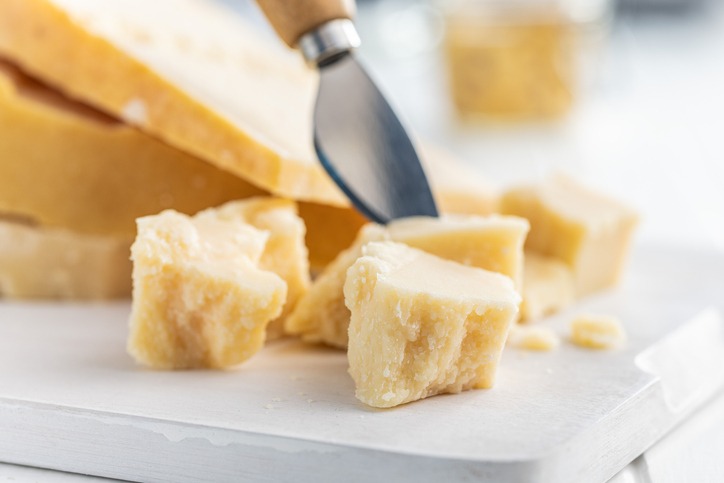
Parmesan is one of the best cheeses for protein content. Originating in Italy, Parmesan has been produced since the Middle Ages, with records of its creation dating back to 1254. It is a hard cheese that is aged for long periods, often up to two years or more, which gives it its distinct crumbly texture and strong flavor.
Parmesan is known for its high protein content, about 35 grams per 100 grams of cheese. This makes it ideal for those looking to add more protein to their diet without consuming large amounts. The cheese's aging process reduces the moisture content, which in turn increases its protein density.
This cheese is often grated over pasta dishes, salads, and soups. It is also enjoyed as a snack on its own.
Swiss Cheese
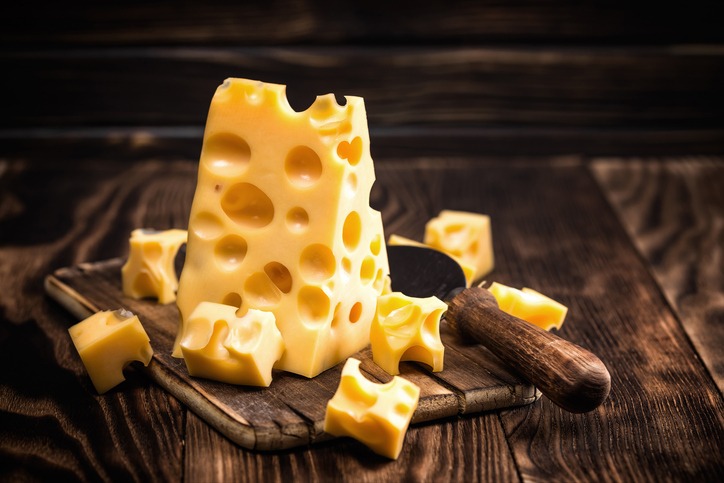
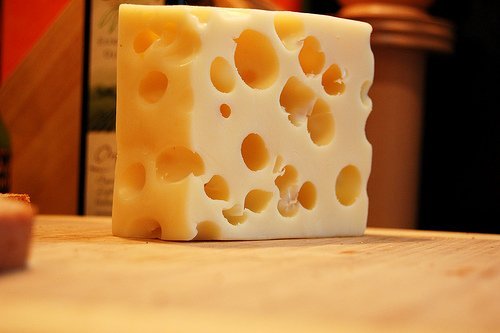
Swiss cheese is another high-protein variety. It is named after Switzerland, where it was first produced in the 15th century. One of the most recognizable features of Swiss cheese is its holes, which are formed by gas bubbles released during the fermentation process.
Swiss cheese typically contains around 28 grams of protein per 100 grams. It is known for its mild, nutty flavor and firm texture. Swiss cheese is often found in sandwiches, fondue, and as part of a cheese platter.
Its production has evolved over the years, but the methods remain rooted in tradition. Swiss cheese remains popular worldwide, especially in countries with strong cheese traditions like the United States, where Swiss immigrants brought the recipe in the late 1800s.
Cheddar
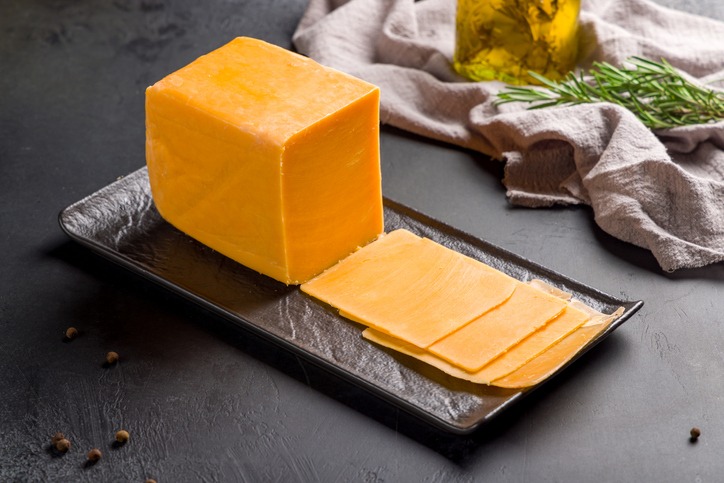
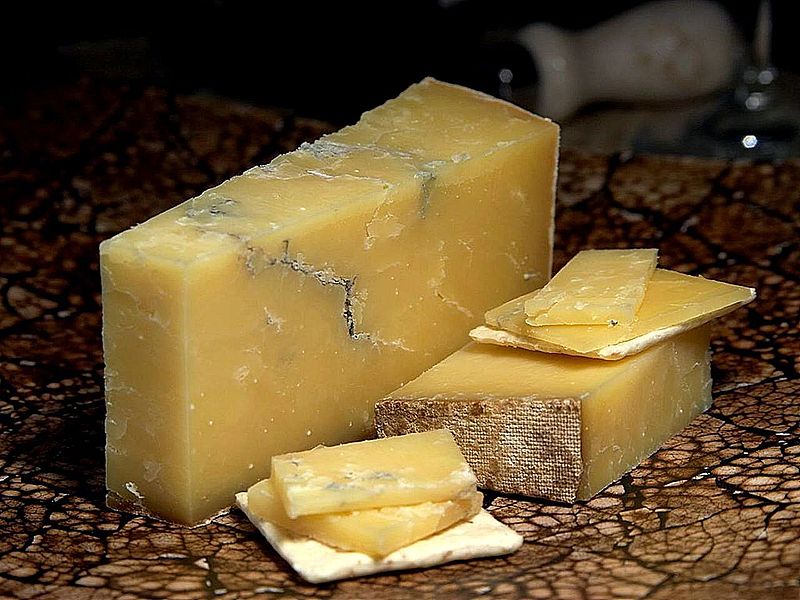
Cheddar cheese, originating from the English village of Cheddar in the 12th century, is one of the most popular cheeses globally. It is known for its sharp taste and versatility in cooking. Cheddar has a firm texture and comes in different varieties, including mild, medium, sharp, and extra sharp.
Cheddar contains about 25 grams of protein per 100 grams, making it a high-protein option. Its protein content increases as the cheese ages, with sharper varieties generally having more protein than their milder counterparts.
This cheese is used in countless recipes, from casseroles to burgers and macaroni and cheese.
Gouda
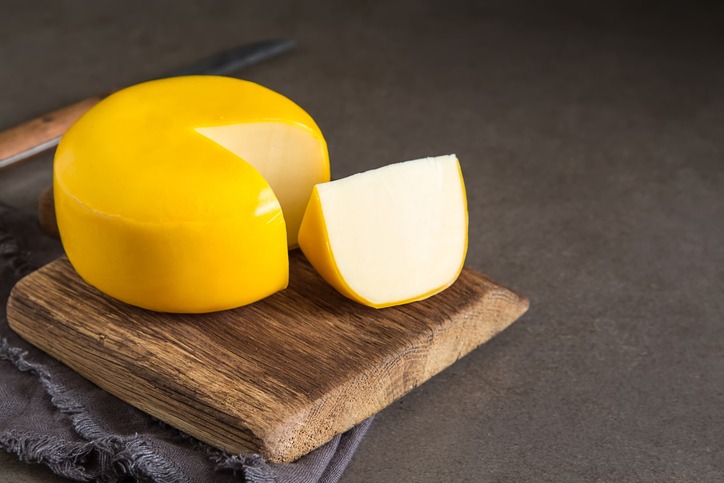
Gouda, named after the town of Gouda in the Netherlands, has been produced since the 12th century. This semi-hard cheese is one of the most popular in the world and is typically made from cow’s milk. Gouda is available in young and aged varieties, with the latter often being richer in protein.
Gouda has approximately 22 grams of protein per 100 grams. Its smooth texture and buttery flavor make it a favorite for sandwiches, snacking, and melting in recipes like grilled cheese or baked dishes. The aging process deepens its flavor and texture while enhancing its nutritional value.
Cottage Cheese
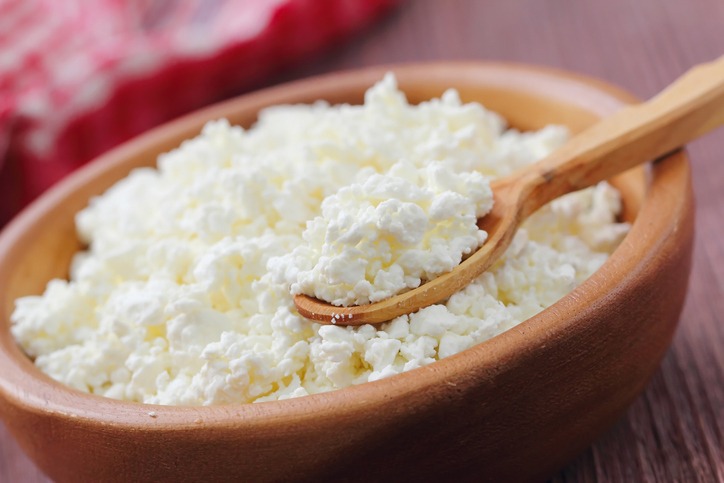
Cottage cheese is a fresh cheese that originated in the United States in the 19th century. It gained popularity for being easy to make and highly nutritious. Unlike many aged cheeses, cottage cheese is not pressed or cooked, which gives it a soft, creamy texture with small curds.
Cottage cheese offers around 11 grams of protein per 100 grams, making it a popular choice among athletes and people focusing on fitness. It is often consumed as a snack, added to salads, or paired with fruit. This cheese became widely available after World War II when it was promoted as a healthy, low-fat food option.
Feta
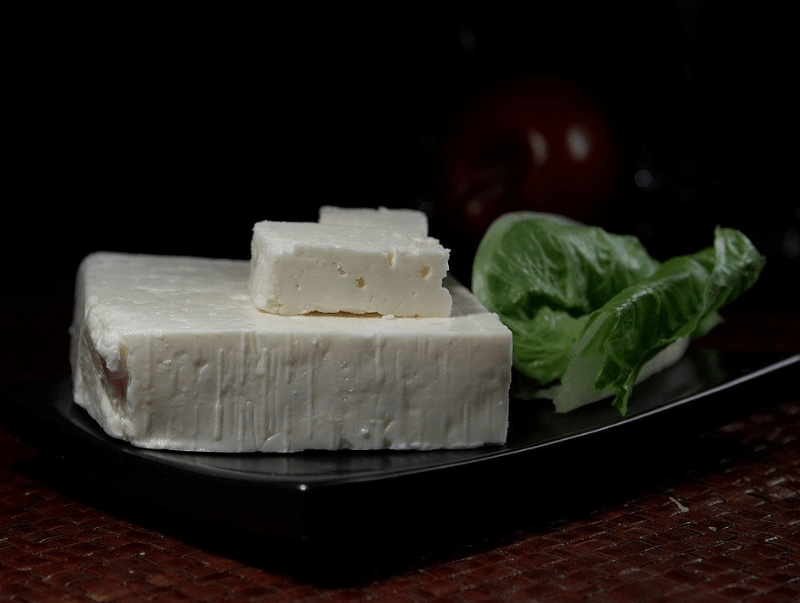
Feta is a traditional Greek cheese made from sheep’s milk or a mixture of sheep’s and goat’s milk. It has been produced in Greece for centuries, with references to its production dating back to the Byzantine era in the 8th century. Feta is stored in brine, which gives it a unique salty flavor and crumbly texture.
Feta contains about 14 grams of protein per 100 grams. It is commonly used in Mediterranean dishes like salads and wraps. The cheese's rich history and distinctive taste have earned it protected designation of origin (PDO) status in the European Union since 2002, meaning only cheese produced in certain regions of Greece can be labeled as Feta.
Feta is known for its nutritional value and is often used in both traditional and modern recipes.
Mozzarella
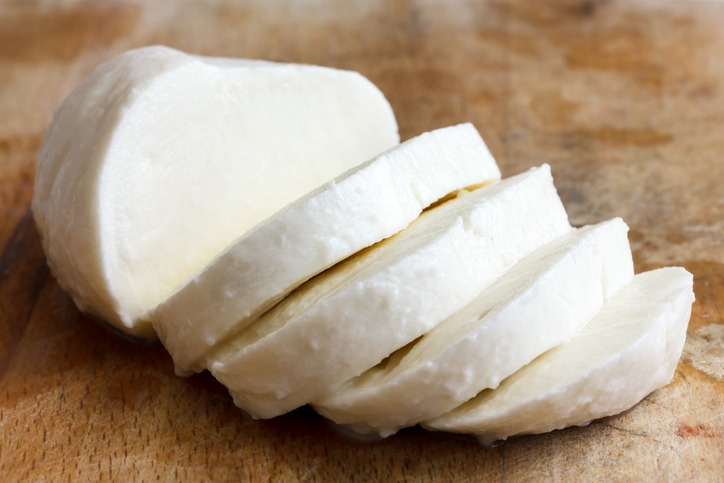
Mozzarella is a popular cheese originating from Italy. Traditional Mozzarella, known as Mozzarella di Bufala, was first made in the region of Campania from buffalo milk as early as the 12th century. Today, cow’s milk is often used to make Mozzarella, especially in countries outside Italy.
Mozzarella provides around 22 grams of protein per 100 grams. It is widely used on pizzas, lasagna, and caprese salads. Its soft, stretchy texture makes it perfect for melting in various dishes. Mozzarella's rise in global popularity can be traced to the 19th century, when Italian immigrants brought it to the United States, where it became a staple in the growing pizza industry.
Gruyère
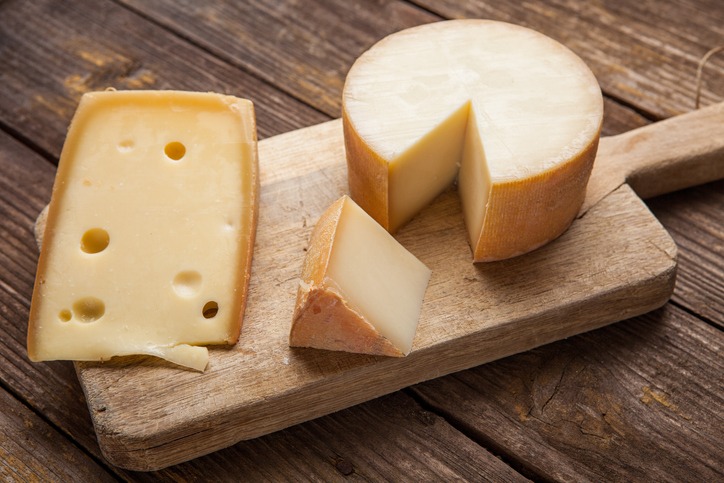
Gruyère is a hard cheese that has been made in Switzerland since the 12th century. Named after the town of Gruyères, it is known for its slightly sweet and nutty flavor. The cheese is traditionally aged for about six months, which enhances its rich taste and dense texture.
Gruyère contains about 30 grams of protein per 100 grams, making it one of the highest-protein cheeses available. It is often used in French onion soup, fondue, and various baked dishes. The cheese's long-standing production history in Switzerland has led to its PDO designation, protecting its name and production methods.
Ricotta
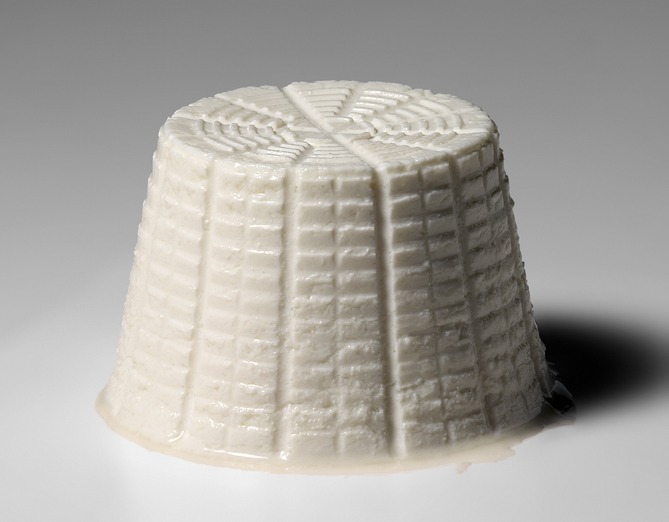
Ricotta is an Italian cheese that has been made since Roman times. It is traditionally produced from leftover whey from other cheeses, like mozzarella and provolone. Ricotta has a creamy texture and a mild, slightly sweet flavor, making it a favorite in both savory and sweet dishes.
Ricotta contains about 11 grams of protein per 100 grams. It is commonly used in dishes like lasagna and ravioli and desserts like cannoli. Ricotta gained popularity in the United States in the late 19th century when Italian immigrants introduced it as a key ingredient in many traditional recipes.
Pecorino Romano
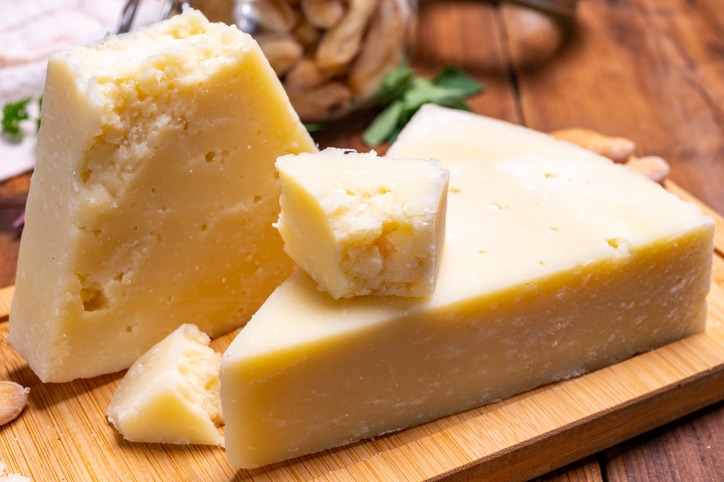
Pecorino Romano is a hard Italian cheese made from sheep’s milk. Its production dates back to ancient Rome, where it was a staple food for soldiers. Today, Pecorino Romano is still produced in parts of Italy and has earned PDO status to protect its authenticity.
This cheese packs about 28 grams of protein per 100 grams. Its salty, sharp flavor makes it ideal for grating over pasta, soups, and salads. The aging process, which lasts at least eight months, contributes to its firm texture and rich flavor profile.
Edam
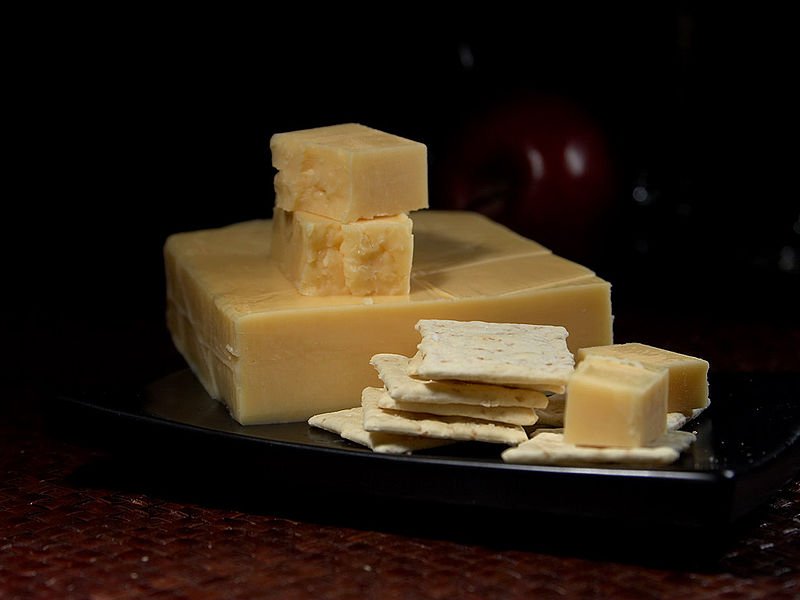
Edam is a semi-hard cheese that originated in the Netherlands during the 14th century. Named after the town of Edam, this cheese has a mild, nutty flavor and is often sold in round shapes covered in red wax. Edam has been exported around the world for centuries, contributing to its global popularity.
Edam is a good source of protein, with around 25 grams of protein per 100 grams. It is often enjoyed with fruit, crackers, or as part of a cheese platter. Due to its long shelf life, edam was a favorite among sailors in the 17th century, making it ideal for long sea voyages.
Halloumi
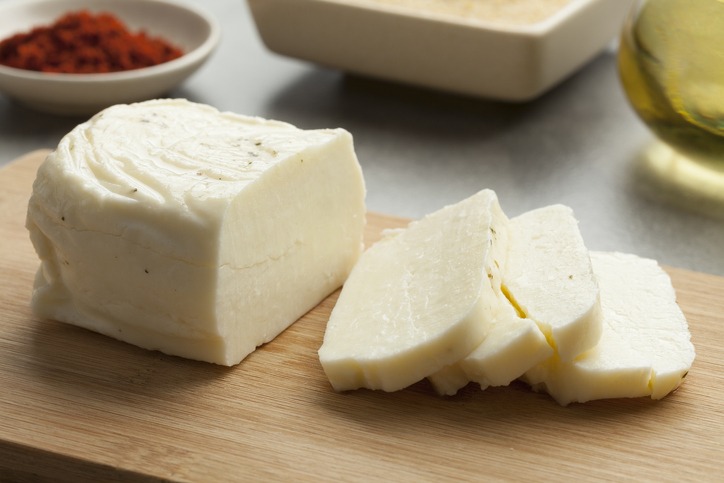
Halloumi is a traditional Cypriot cheese made from a mixture of goat’s and sheep’s milk. Its history dates back to medieval times, with records mentioning it as early as the 16th century. Halloumi is known for its high melting point, making it ideal for grilling or frying.
Halloumi offers about 22 grams of protein per 100 grams. It has a firm, slightly rubbery texture and a salty taste. Halloumi’s popularity has grown significantly over the past few decades, particularly in countries like the United Kingdom, where it is often served as a grilled appetizer or in salads.
Conclusion
Choosing the right cheese can make a difference when looking to increase your protein intake. From Parmesan to Halloumi, these cheeses offer both nutrition and flavor. Whether used in cooking or enjoyed on their own, they provide a great way to add more protein to your diet while still enjoying the rich taste cheese is known for.