Welsh Rarebit: Cheese History & Cultural Significance of the Classic Dish
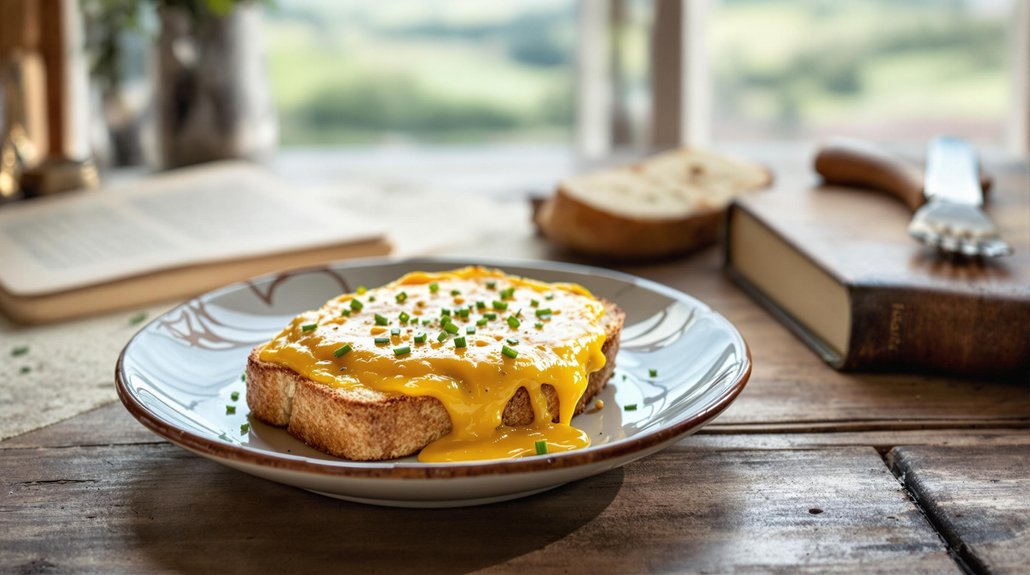
Welsh Rarebit originated in 1725 as "Welsh rabbit," a derogatory term suggesting cheese on toast was inferior to actual rabbit. This comfort dish showcases a velvety cheese sauce that transforms ordinary bread into a decadent meal. You'll need quality ingredients like sharp cheddar, Worcestershire sauce, and ale for authentic flavor. Its cultural impact extends beyond pubs, inspiring literary works like McCay's "Dream of the Rarebit Fiend" and numerous regional variations. The perfect bite reveals centuries of culinary evolution.
The Origins and Etymology: From "Welsh Rabbit" to "Rarebit"
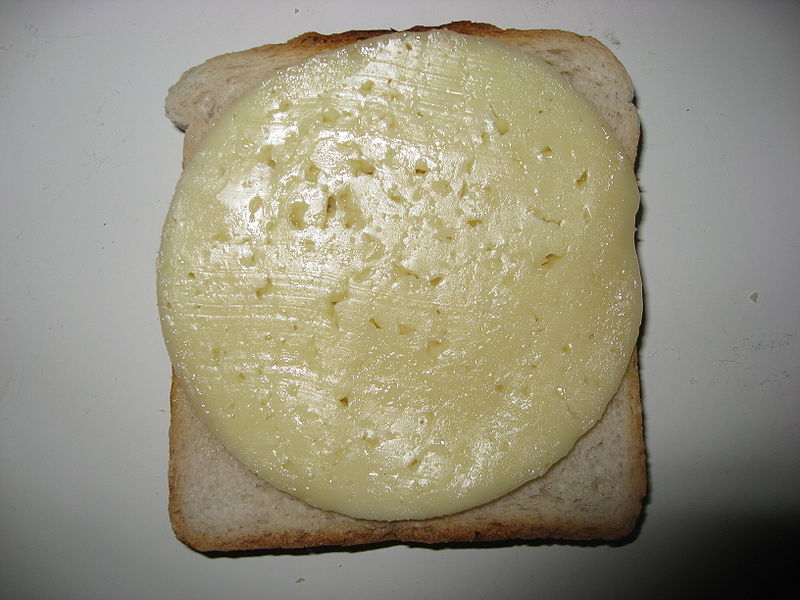
A curious case of culinary misnaming, Welsh rarebit has never contained rabbit meat despite its original name "Welsh rabbit" first appearing in 1725. The term "Welsh" wasn't a geographical indicator of the dish's origins but rather a derogatory label suggesting inferiority—implying that cheese on toast was the closest the Welsh could get to actual rabbit.
Long before this naming controversy, similar cheese dishes had been enjoyed since the 14th century. The Welsh's reputation for cheese fondness likely contributed to the association. Eventually, "rarebit" emerged as a corruption of "rabbit," perhaps in an attempt to distance the dish from the misleading name while maintaining its cultural identity.
Today's Welsh Rarebit celebrates its humble origins while standing proudly as a quintessential comfort food. The dish's evolution parallels how mass production techniques made cheese more accessible to poorer classes throughout Europe and America in the late 19th and early 20th centuries.
What Makes a Perfect Welsh Rarebit: Ingredients and Technique
The perfect Welsh rarebit demands far more artistry than simply melting cheese on toast. To create this iconic dish, you'll need to master a velvety cheese sauce that transforms ordinary bread into a decadent meal.
The foundation begins with quality ingredients:
- Sharp cheddar as your primary cheese—ideally Welsh Caerphilly for authenticity
- Toasted bread that's substantial enough to withstand the rich topping
- Worcestershire sauce for that essential umami depth
- A splash of ale or stout to enhance the cheese's complexity
- Mustard powder or prepared mustard for subtle heat
Your technique matters too—whisking constantly prevents graininess while creating a smooth emulsion. Using extra sharp cheddar aged for eighteen months will provide the robust flavor profile that distinguishes exceptional Welsh rarebit. Once poured over perfectly toasted bread, a quick broil creates that signature bubbling, golden crust that defines exceptional Welsh rarebit.
Cultural Impact: Welsh Rarebit in Literature and Pop Culture
While a perfectly executed Welsh rarebit satisfies the palate, this humble cheese dish has fed the imagination of artists and writers for generations. Particularly, Winsor McCay's groundbreaking comic strip "Dream of the Rarebit Fiend" (1904-1911) popularized the notion that consuming Welsh rabbit could trigger bizarre, surrealist dreams. McCay later adapted this concept into four animated short films, including "The Pet," which portrays a man's hallucinatory dream after indulging in the cheesy delicacy.
Even media mogul William Randolph Hearst couldn't resist Welsh rarebit's allure. Despite employing an extensive kitchen staff, Hearst insisted on personally preparing this dish for late-night gatherings at his estate, documenting his recipe in "The Enchanted Hill Cookbook." This savory toast's cultural impact extends far beyond its simple ingredients.
Regional Variations and Modern Interpretations
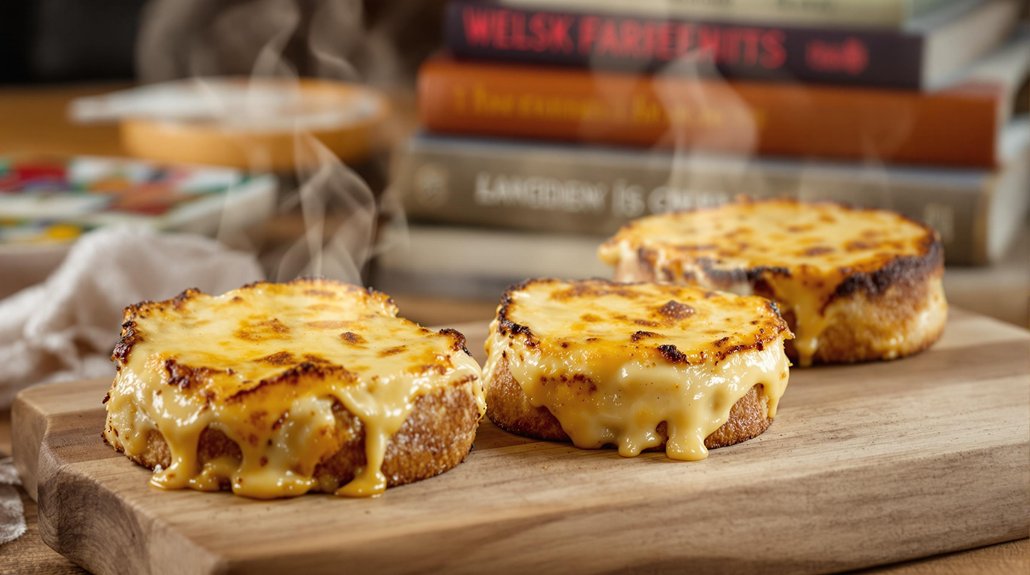
From humble pub staple to culinary canvas, Welsh rarebit has evolved into numerous regional variations that stretch far beyond its Welsh origins. You'll find South Wales' "Buck rarebit" topped with a poached egg, while other regions have transformed this cheese-on-toast classic into versatile meal options.
Traditional Welsh rabbit featuring simple cheese sauce has inspired gourmet versions using artisanal cheeses and premium breads. Innovative chefs incorporate beer-battered rarebit balls for modern gastropub menus. Breakfast variations often include bacon and eggs alongside the classic cheese mixture.
Rarebit-flavored mac and cheese fuses the Welsh classic with American comfort food. The adaptable rarebit concept now appears across breakfast, lunch and dinner menus worldwide. This evolution demonstrates how Welsh rarebit continues to inspire culinary creativity while maintaining its cherished place in food history.
Pairing Traditions: Beer, Ale and Other Accompaniments
As delicious as Welsh rarebit is on its own, traditional pairings elevate this cheese-forward dish to new heights. Beer isn't just an accompaniment to Welsh rarebit—it's an essential ingredient in the sauce itself. Lighter or brown ales typically form the base of the creamy cheese mixture, though some adventurous cooks opt for darker porters to add depth.
You'll find the dish served at high tea or as a main course, often with a pint of the same ale used in preparation. Saison-style beers, like Half Moon Bay Brewing Saison, complement the sharpness of the cheese particularly well. Some recipes incorporate milk alongside the ale to soften bitter notes from the beer, creating a more balanced flavor profile.
These thoughtful accompaniments showcase how Welsh rarebit has evolved as both a culinary and cultural tradition.