What Happens to Cheese Aged on the International Space Station?
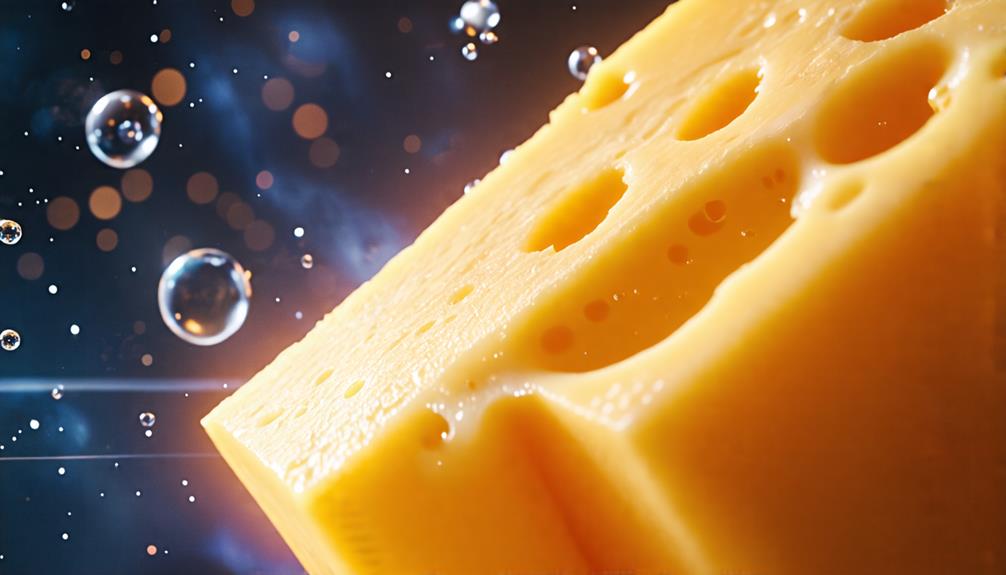
Have you ever wondered how cheese transforms when it's matured in the unique environment of the International Space Station? In microgravity, the maturation process takes on a fascinating twist, altering flavors and textures in ways that simply can't occur on Earth. Compounds responsible for complex taste profiles flourish in this setting. As astronauts savor these extraordinary cheeses, you might reflect not only on the culinary implications but also on what this means for the future of food production and our understanding of maturation processes in space.
Cheese Shipment to Space
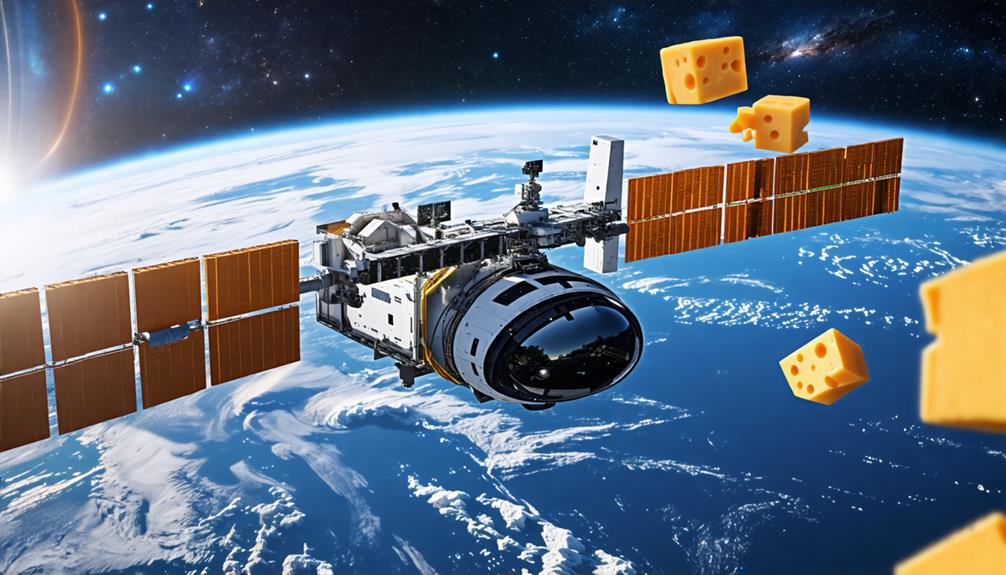
NASA astronaut Shannon Walker's request for cheese from a small Belgian dairy farm initiated an exciting shipment to the International Space Station (ISS). This endeavor showcased NASA's evolving approach to astronaut nutrition. The cheese expedition began in West Flanders, Belgium, at t Groendal farm, where varieties like OG Crystal and Old Farmdale were prepared. After packaging, the cheese was shipped to Houston, Texas, before making its way to the ISS, illustrating a remarkable international collaboration.
The success of the initial shipment was so impressive that Walker requested a second shipment, underscoring her satisfaction with the taste and quality of the cheese. This initiative not only enriched the astronauts' diet but also created new opportunities for promoting Belgian cheese globally. By partnering with Van Tricht, a cheese distributor, NASA has provided local farmers with a unique platform to showcase their products in space.
This cheese shipment exemplifies how culinary experiences can enhance life aboard the ISS, making it more enjoyable and relatable for astronauts. So, next time you think about cheese, remember its remarkable journey from a Belgian farm to the stars!
Aging Process in Microgravity
The International Space Station provides a unique environment for aging cheese, significantly different from the conditions on Earth. In microgravity, the absence of gravitational forces affects the diffusion of gases and moisture within the cheese, leading to distinctive aging characteristics. This results in altered interactions between flavor compounds and the cheese matrix, setting space-aged cheese apart from its Earth-bound counterparts.
In this microgravity setting, certain flavor compounds exhibit different extraction behaviors from the aging materials, creating unique profiles. Research indicates that compounds such as ellagic acid and gallic acid can appear in higher concentrations, potentially enhancing the cheese's flavor complexity. Additionally, the behavior of carbon dioxide in microgravity can influence the aging process, affecting the cheese's texture and overall sensory experience.
Scientists are investigating these phenomena to explore innovative approaches to cheese production inspired by space conditions. This research not only expands our understanding of cheese aging but also opens new avenues for culinary experimentation and innovation.
Impact on Flavor and Texture
Cheese matured on the International Space Station (ISS) offers unique flavor and texture profiles that cannot be replicated on Earth. When you taste this space-aged cheese, you'll notice intriguing flavor notes, described by astronauts as reminiscent of cassis, peppermint, and smoked fish. This distinct taste results from the microgravity environment, which alters the extraction of flavor compounds during the aging process.
Kaasaffineurs Van Tricht has identified that the chemical composition of ISS-aged cheese shows increased levels of certain compounds, specifically ellagic acid and gallic acid. These changes contribute to the unique flavor profile that sets space-aged cheese apart from its Earth-aged counterparts.
In addition to its distinct flavor, the absence of gravity impacts the cheese's texture. You may experience a firmer consistency due to reduced moisture migration and the unique aging conditions in space. This combination of flavor and texture not only excites the palate but could also inspire new cheese production techniques on Earth. By merging traditional methods with insights gained from microgravity, we may redefine our approach to cheese crafting. As research into the complexities of aging cheese in space continues, the findings could revolutionize cheese production practices on Earth.
Astronauts' Culinary Experience
Astronauts' meals feature unique culinary delights such as space-aged cheese, which not only satisfies hunger but also evokes a sense of nostalgia and a taste of home. These factors collectively enhance the overall culinary experience for astronauts during their missions.
Unique Culinary Delights
Astronauts savor unique culinary experiences in space, where gourmet foods like cheese play a crucial role in maintaining morale and providing a taste of home. During her 210-day mission, NASA astronaut Shannon Walker found comfort in cheese, underscoring its ability to uplift spirits in the isolated environment of the International Space Station. The cheese, sourced from a small dairy farm in West Flanders, Belgium, offers high-quality flavors that resonate with astronauts, reminding them of familiar comforts.
The Houston Dairymaids contribute significantly to these culinary experiences by curating a selection of gourmet cheeses. Their dedication ensures that astronauts have access to diverse and delicious options, making meals more enjoyable. Positive feedback from astronauts has influenced cargo requests, highlighting the importance of these unique foods in enhancing overall mission satisfaction.
While the availability of drinking water is critical for astronauts, it is the distinctive flavors found in space-aged cheese that truly engage their taste buds. Future plans to release a special edition space cheese aim to replicate the unique flavors astronauts experience, further connecting the public with space-related culinary adventures.
Comfort Food in Space
Comfort food plays a crucial role in enhancing morale, allowing crew members on the International Space Station to experience a sense of normalcy during their extended missions. For astronauts, comfort often comes from familiar tastes like cheese, which not only satisfies hunger but also supports emotional well-being. NASA astronaut Shannon Walker's specific request for cheese during her 210-day mission underscores the importance of these foods for emotional support in the unique environment of microgravity.
Culinary psychology suggests that enjoying favorite foods can significantly reduce stress and improve mood, making cheese a valuable addition to astronauts' diets. Positive feedback from crew members has encouraged NASA to include cheese in space food selections, opening the door for more gourmet options in the future.
The shipment of cheese from a Belgian dairy farm highlights international collaboration in food production for space exploration. By incorporating unique and enjoyable foods like cheese into their meals, astronauts can better manage the psychological demands of their missions, enhancing their overall experience in space. Consequently, comfort food isn't just a luxury; it's a crucial component of maintaining morale and mental health in the challenging environment of the ISS.
Nostalgia and Home Flavor
Cheese provides astronauts with a comforting taste reminiscent of home, evoking cherished memories and a sense of familiarity during their time in space. For many, it acts as a powerful nostalgia trigger, linking them to their loved ones and the flavors of home. The distinct cheese from Belgium not only delights their taste buds but also reinforces comfort connections, helping astronauts manage the isolation of space living.
| Home Flavors | Comfort Connections | Nostalgia Triggers |
|---|---|---|
| Cheddar | Memories of family meals | Special occasions |
| Gouda | Celebrations with friends | Favorite childhood snacks |
| Brie | Cozy nights in | Grandparent's recipes |
| Blue Cheese | Romantic dinners | Travel experiences |
| Parmesan | Sunday dinners | Cooking with loved ones |
Positive feedback from astronauts about cheese influences future food selections, enhancing their culinary experience. The initial shipment was so well-received that a second request followed, highlighting cheese's role in boosting morale and overall well-being. By connecting astronauts to home flavors, cheese plays a significant role in their mission beyond Earth.
Belgian Cheese Heritage
Belgian cheese is renowned for its rich heritage and traditional artisanal techniques. The craftsmanship involved in producing each unique variety fosters cultural pride, celebrating the quality and diverse flavors Belgian cheeses offer. Their global recognition underscores their significance in both local communities and international culinary landscapes.
Traditional Cheese Production Techniques
Belgian cheese production thrives on traditional techniques that prioritize quality and authenticity, showcasing the craftsmanship of local cheesemakers like Frederic Van Tricht. These artisan methods emphasize meticulous attention to detail, from selecting the finest raw ingredients to employing time-honored practices in fermentation and aging.
Belgium offers a rich tapestry of regional cheese varieties, each with distinct flavors and textures that reflect their local origins. For instance, the cows' diets—whether they are fed hay or grass—play a crucial role in shaping the taste of the cheese. This connection to the land and its resources is a hallmark of Belgian cheese production.
Aging occurs in specialized facilities designed to create optimal conditions for flavor development and texture refinement. This process allows cheesemakers to enhance the unique characteristics of their regional varieties. By embracing these traditional methods, Belgian cheesemakers not only honor their heritage but also produce cheeses that have gained international acclaim. As you explore the world of Belgian cheese, you will appreciate the artisan craftsmanship that goes into each wheel, making every bite a celebration of tradition and quality.
Cultural Pride in Cheese
For generations, local artisans in Belgium have taken immense pride in crafting cheeses that reflect the country's rich cultural heritage and artisanal traditions. Beyond taste, Belgian cheese embodies a sense of identity for the communities that produce it. Local festivals celebrate this heritage, showcasing a variety of cheeses and bringing people together to honor their craftsmanship.
At these festivals, you can witness the artisan techniques passed down through generations. Artisans dedicate themselves to perfecting the aging process in specialized facilities, allowing for the development of unique flavors and textures. Tasting cheese from places like the 't Groendal farm offers not just a product but a story of tradition and passion.
Prominent cheese distributor Frederic Van Tricht emphasizes this pride, noting that the quality of Belgian cheese has gained international attention, especially after its expedition to the International Space Station. This connection to space exploration amplifies local pride, fostering a deeper appreciation for the artisanal techniques defining Belgium's cheese heritage.
Global Recognition and Impact
The recent shipment of Belgian cheese to the International Space Station exemplifies the global recognition of Belgium's artisanal cheese heritage. This milestone not only underscores the superior quality and meticulous craftsmanship of Belgian cheese but also enhances international diplomacy through cultural exchange. According to Frederic Van Tricht, a renowned cheese distributor, this initiative is a testament to the pride in traditional methods and the distinctive flavors developed through specialized aging processes.
The inclusion of Belgian cheese in space exploration opens new avenues for culinary tourism, drawing food enthusiasts to explore Belgium's rich cheese culture. This connection to space elevates the status of these cheeses, generating excitement around cheese innovation and inspiring chefs worldwide.
| Aspect | Impact |
|---|---|
| Global Recognition | Highlights Belgian craftsmanship |
| Cultural Pride | Enhances appreciation for traditions |
| Culinary Tourism | Attracts interest in local products |
| Cheese Innovation | Promotes new aging techniques |
| Global Diplomacy | Strengthens international relationships |
This unique journey of Belgian cheese not only celebrates its heritage but also sets the stage for future culinary explorations on Earth and beyond.
Future of Space Food
Advancements in space food, including gourmet options like microgravity-matured cheese, are poised to enhance astronauts' dining experiences and overall well-being during missions. As trends in space gastronomy evolve, space agencies are focusing on nutrition and satisfaction, ensuring that astronauts enjoy meals that boost morale during extended periods in space. Collaborations between space agencies and food producers are at the forefront of these innovations, emphasizing the creation of high-quality, diverse meal options.
Research into the effects of microgravity on food maturation is uncovering new flavors and textures, which may influence food production on Earth as well. These culinary advancements pave the way for unique experiences, such as space-matured cheese, serving not only as comfort food but also as a morale booster for astronauts. The success of space-matured cheese has sparked plans for its commercial availability, allowing consumers to connect with space exploration through these novel food products. This growing interest in gourmet space foods underscores a commitment to improving astronauts' well-being, ensuring their dining experiences in orbit are as enjoyable and satisfying as possible.
Public Engagement With Space Cheese
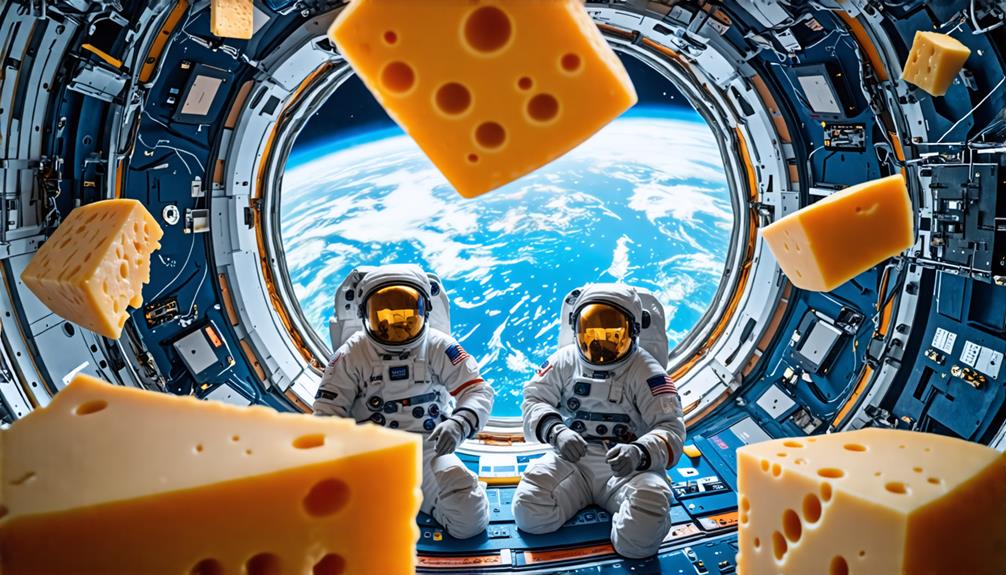
Aging cheese in space has ignited widespread public interest, offering consumers a unique culinary experience linked to space exploration. This trend has led to the creation of a special edition space cheese inspired by Belgian varieties sent to the International Space Station (ISS). Consequently, consumer curiosity has influenced marketing strategies targeting food enthusiasts eager for culinary innovation.
Here's how space cheese is engaging the public:
| Aspect | Details | Impact |
|---|---|---|
| Culinary Innovation | Unique flavors developed from aging in space | Excites food lovers |
| Space Marketing | Focus on the connection to space exploration | Appeals to adventurous consumers |
| Consumer Curiosity | Positive astronaut feedback heightens interest | Influences future space food choices |
Now available at the Houston Dairymaids store, this space cheese allows you to savor a piece of space exploration. This fusion of gourmet food and space travel enhances cultural pride in Belgian cheese craftsmanship while making the experience accessible to everyone. So, are you ready to indulge in a taste of the cosmos?
Nutritional Benefits for Astronauts
Cheese matured on the International Space Station provides astronauts with a nutritious source of protein and essential fats, crucial for their health during extended missions. Including cheese in their diet enhances variety and ensures a balance of fundamental nutrients. The unique aging process in microgravity can enrich cheese's flavor, making meals more enjoyable and boosting morale—an important factor during prolonged space missions.
Additionally, cheese is rich in calcium, which supports bone health—a critical consideration given the bone density loss astronauts experience in microgravity. The vitamins A and B12 in cheese play significant roles in energy metabolism and immune function, helping maintain strength and well-being in space.
Incorporating cheese into the diet can improve nutrient absorption and provide a comforting taste of home, reducing some psychological stress associated with space travel. Thus, cheese not only satisfies hunger but also contributes to the overall health and morale of astronauts, making it a valuable addition to their space meals.
Challenges of Space Cheese Production
Producing cheese in the unique environment of the International Space Station (ISS) presents a host of challenges that can complicate the aging process and flavor development. Microgravity disrupts the typical aging processes, altering chemical interactions critical for flavor. Additionally, temperature fluctuations and radiation exposure threaten cheese preservation, making it difficult to maintain quality.
To manage these hurdles, careful planning is essential. Here's a concise overview of the key challenges:
| Challenge | Impact | Solution |
|---|---|---|
| Microgravity Effects | Alters the aging process | Controlled aging environments |
| Temperature Fluctuations | Affects flavor and texture | Insulated packaging |
| Radiation Exposure | Potential spoilage | Shielded storage containers |
| Astronaut Preferences | Influences cheese choices | Feedback-driven production methods |
Addressing these challenges requires a blend of scientific rigor and astronaut feedback. This approach ensures that space cheese production not only meets the necessary nutritional standards but also aligns with astronauts' taste preferences, enhancing their overall space experience.
Conclusion
Cheese matured on the International Space Station offers a fascinating glimpse into the future of food innovation. The unique maturation process in microgravity not only alters flavor and texture but also enhances astronauts' culinary experiences. As we explore the potential of space-aged cheese, new techniques could emerge that revolutionize cheese production on Earth. This cosmic culinary adventure may inspire greater appreciation for both space exploration and the art of cheese-making.