What Is Cheese in a Jar Called?
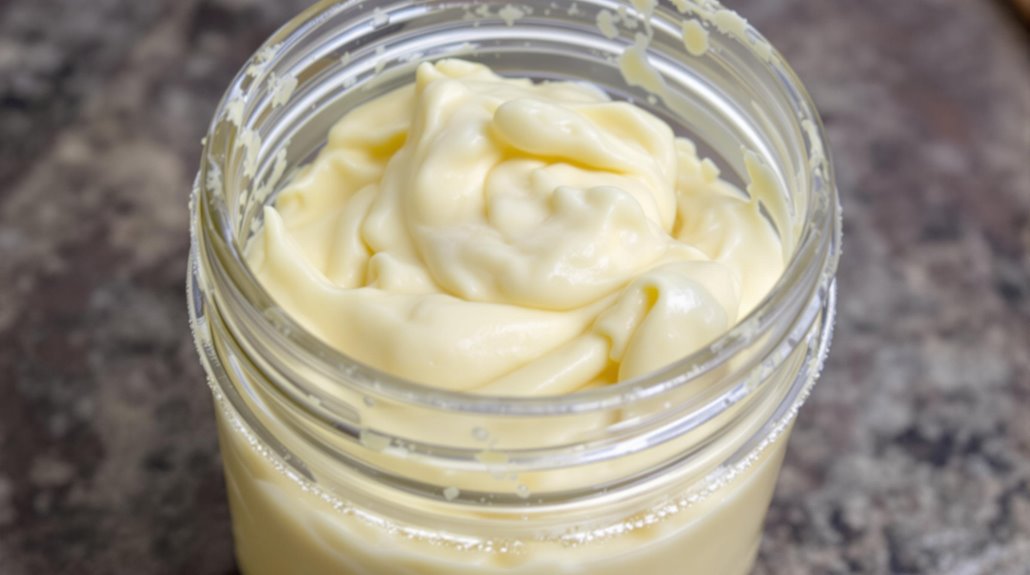
Jarred cheese products, commonly known as cheese spreads, include popular brands like Cheez Whiz and Old English. You'll find these processed cheese products offer convenience with their smooth, spreadable consistency and long shelf life. While Cheez Whiz remains America's most recognized jarred cheese spread since 1952, you can investigate various brands offering different flavors and textures. There's much more to uncover about these versatile pantry staples that have revolutionized snacking and cooking.
Popular Types of Jarred Cheese Products
When exploring jarred cheese options, you'll find several popular varieties in grocery stores. Cheez Whiz leads the pack as America's most recognized cheese product in a jar, offering a distinctive cheesy flavor that's perfect for dips and sandwiches. You'll also encounter Old English, which comes in a glass jar and provides a sharp, aged taste that's ideal for spreading on crackers.
Many jarred cheese spreads are technically labeled as "cheese products" rather than pure cheese, as they contain additional ingredients for preservation and texture. The original Kraft cheese spread helped pioneer this category of food. You'll notice most varieties have a smooth, spreadable consistency and often include American cheese as their base ingredient. These products typically offer extended shelf life compared to traditional block cheese. Most jarred cheese products contain brown seaweed extract and other stabilizers to maintain their creamy texture and extend shelf life.
The History and Evolution of Cheese Spreads
How did cheese in a jar become a household staple? The story begins in 1952 when Kraft revolutionized the cheese industry by introducing Cheez Whiz. You'll find this product was originally created as a convenient alternative to traditional cheese, offering longer shelf life and easy spreadability. The early success of Cheez Whiz sparked a wave of jarred cheese products in the market.
Following the path of James L. Kraft's pioneering work in cheese preservation and processing that began in 1903, jarred cheese products became a natural evolution in convenient food packaging. Over time, you've likely noticed changes in your favorite cheese spreads. Kraft has modified Cheez Whiz's formula, affecting its flavor and nutrient content. Many products now contain High Fructose Corn Syrup, increasing their daily calories.
While these changes have disappointed some loyal customers, jarred cheese remains popular for its convenience. Though some beloved brands like Mohawk Valley have disappeared, you'll still find various cheese spreads competing for space in your pantry.
Understanding Ingredients and Processing Methods
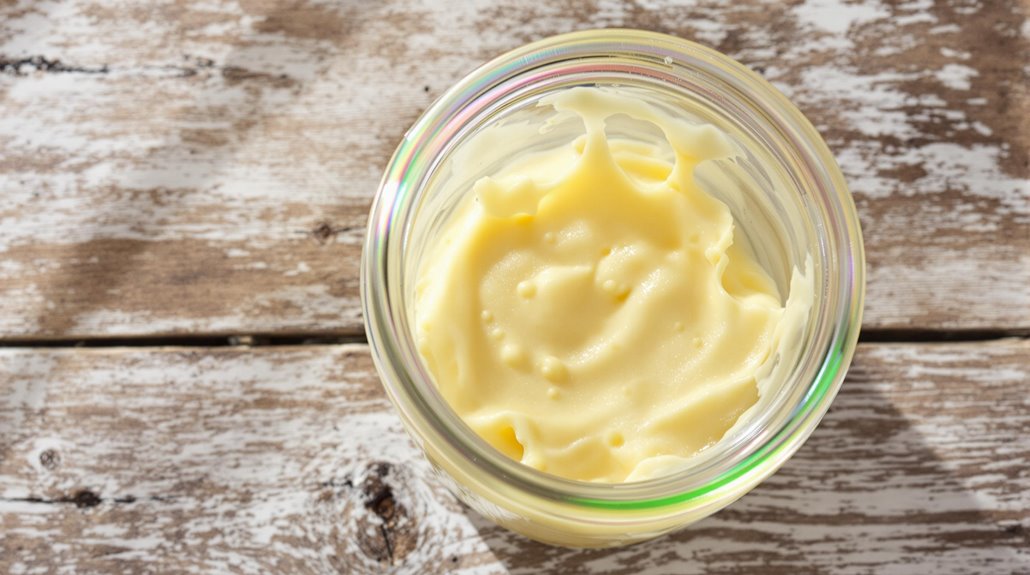
Most jarred cheese products contain a blend of cheese, emulsifying salts, and preservatives to maintain their signature texture and shelf stability. When you examine popular products like Cheez Whiz original cheese, you'll find ingredients like milk protein concentrate, modified food starch, and sodium phosphate working together to create that smooth, spreadable consistency.
The manufacturing process typically involves:
- Combining natural cheese culture with milk and canola oil
- Adding sodium alginate and lactic acid for texture control
- Incorporating natural flavor enhancers for taste
- Heating and homogenizing the mixture until smooth
These ingredients work synergistically to create a shelf-stable product that doesn't require refrigeration until opened. You'll notice that while traditional cheese spoils quickly, these processed varieties can last months due to their carefully engineered ingredient combinations. This innovative approach to cheese preservation began with Emil Frey's creation of Velveeta in 1918, which revolutionized the way Americans consumed cheese products.
Nutritional Value and Health Considerations
The nutritional profile of jarred cheese products reveals some important health examinations for consumers. When you're inspecting the dietary and allergen content of Whiz original cheese dip, you'll notice it contains surprisingly little actual dairy. With less than 2% milk ingredients, this product's general nutrition differs noticeably from natural cheese. The serving of food contributes about 13% of your daily sodium intake, which is essential to ponder if you're watching your salt consumption.
While product packaging and data provide guidelines for calories a day and nutrient in a serving, it's worth noting that modern formulations contain fewer milk-derived ingredients than earlier versions. When relying on third-party sources and directions prior to use, remember that processed cheese products serve general informational purposes but may not deliver the same nutritional benefits as natural cheese.
Storage Tips and Shelf Life

Proper storage practices make a significant difference in preserving your jarred cheese products. When you rely on product packaging information, you'll notice that an unopened 15-oz jar of Kraft cheese spread can last up to 18 months at room temperature. However, once you've used the product, refrigeration becomes essential.
To maximize your cheese spread's shelf life, follow these guidelines:
- Store unopened jars in a cool, dry pantry
- Refrigerate immediately after opening
- Keep the lid tightly sealed between uses
- Use within 2-3 weeks of opening
For best results, monitor your cheese spread's condition regularly. If you notice any changes in color, texture, or smell, it's time to discard it. While the product packaging tells you how much time you have, always trust your senses when determining freshness.
Serving Suggestions and Recipe Ideas
Beyond storage considerations, jarred cheese products offer incredible versatility in the kitchen. You'll find Cheez Whiz used for general nutrition and snacking purposes, though always read labels for dietary and allergen information, especially if you're sensitive to ingredients like sorbic acid, fish and crustacean shellfish, or Worcestershire sauce (vinegar, garlic powder, mustard flour).
For quick serving ideas, you can warm it in the microwave as a dip for raw vegetables or combine it with salsa for a zesty nacho cheese sauce. The actual product may vary per serving, so contact the manufacturer directly for specific allergen concerns. Try spreading it on sandwiches and toast, or create party-worthy appetizers by pairing it with broccoli, cauliflower, or potato skins for a crowd-pleasing snack option.
Brand Comparisons and Market Alternatives
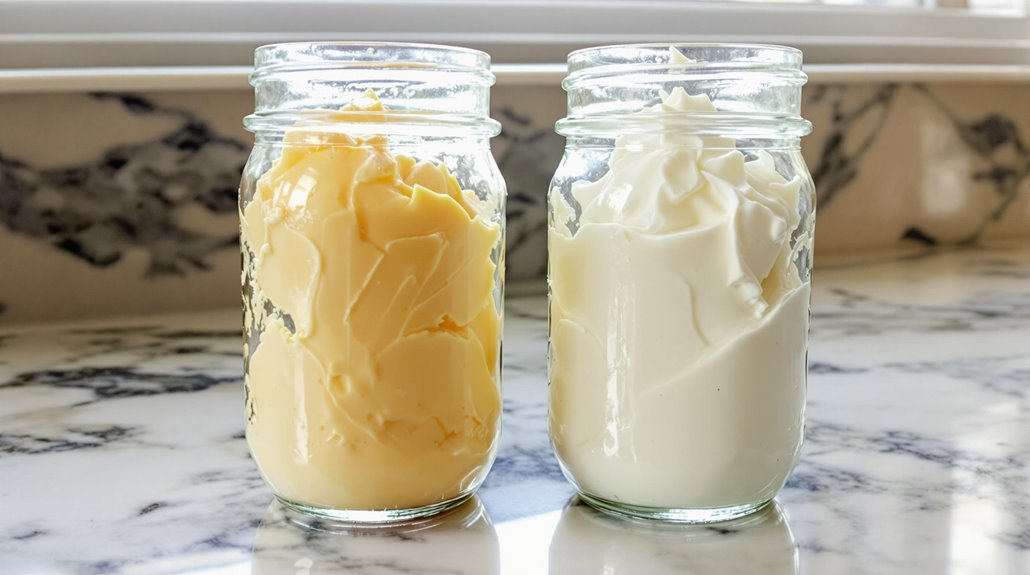
Major players in the jarred cheese market offer distinct products to suit different tastes and needs. When comparing brands like Kraft's Cheez Whiz and Old English Cheese Spread, you'll find varying Options for Change when it comes to dietary and allergen considerations. While both are produced by Heinz Foods subsidiaries, they contain less artificial ingredients than many third-party sources provide.
Consider these key differences when choosing your jarred cheese:
- Texture: Cheez Whiz offers a smoother, more pourable consistency
- Flavor range: Cheez Whiz provides multiple varieties vs. Old English's single option
- Availability: Cheez Whiz is more widely distributed in stores
- Price point: Old English typically costs less per ounce
Remember that Content is for general guidance, and you shouldn't rely solely on %Daily Value information when making dietary choices. Always check Allergen labels for specific restrictions.