What Kind of Cheese Is Babybel? Origins, Production & Snacking Appeal
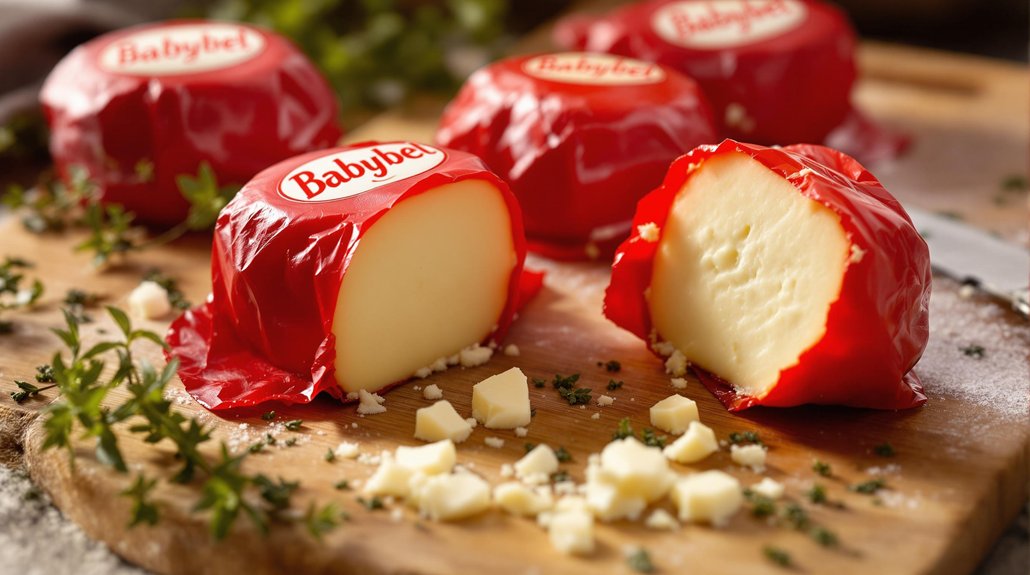
Babybel is an Edam-style semi-hard cheese created in 1952 by French company Fromageries Bel. It's made from pasteurized cow's milk and natural rennet, following traditional Dutch cheesemaking techniques. You'll recognize it by its iconic red wax coating, which preserves freshness while nodding to its Dutch cheese ancestry. Each 70-calorie portion delivers 5g of protein and 15% of your daily calcium needs. The original red-wrapped version has now expanded into various flavors and plant-based alternatives.
The French Heritage Behind Babybel's Development
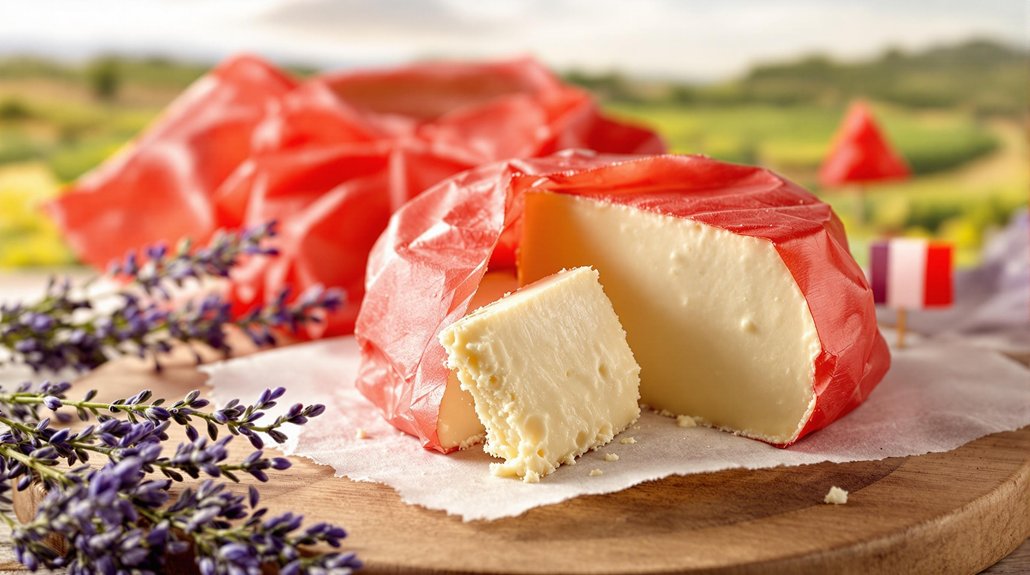
While many cheese lovers recognize the distinctive red wax coating of Babybel cheese, few know about its rich French origins. The story begins in 1952 when Fromageries Bel, a French family company established in 1865, created this portable snack.
The Bel family wasn't starting from scratch—they cleverly reimagined traditional Dutch Edam cheese into a convenient, portion-controlled format perfect for on-the-go consumption.
The genius of Babybel lies in how it merged French cheesemaking expertise with practical innovation. By wrapping small rounds in their now-iconic red wax coating, they solved preservation challenges while creating a memorable visual identity. This French heritage continues to underpin Babybel's worldwide appeal, demonstrating how traditional European cheesemaking principles can evolve into modern snacking solutions that delight consumers across the globe.
Similar to traditional Edam cheese, Babybel's red wax coating helps preserve the cheese while providing its instantly recognizable look.
Understanding Babybel as an Edam-Style Cheese
At the heart of Babybel's French innovation lies its character as an Edam-style cheese. This distinctive variety originated in the Netherlands, where its remarkable shelf life and red wax coating made it so valuable it once served as currency. When you unwrap a Babybel, you're experiencing the same cheesemaking principles that have defined Edam for centuries.
The pale yellow interior delivers the mild, creamy flavor that has made Babybel a globally beloved snack. Its semi-hard texture and careful aging process create a cheese that's both flavorful and conveniently portable. While Babybel embraces its French production heritage, its essence remains true to traditional Edam-style characteristics.
The iconic red wax coating isn't just memorable packaging—it's a direct connection to its Dutch cheese ancestry. Similar to washing the curds in traditional Gouda production, Babybel's manufacturing process helps create its distinctive creamy texture that appeals to cheese lovers worldwide.
Inside the Babybel Production Process
Craftsmanship defines every step in Babybel's meticulous production journey. The process begins with high-quality pasteurized cow's milk, which is carefully curdled using natural rennet following traditional methods borrowed from Edam cheesemaking techniques.
Once the milk transforms into curds, they're pressed and shaped into Babybel's signature mini wheels. What makes these cheese rounds instantly recognizable is their distinctive red wax coating—not just a visual trademark but a functional element that preserves freshness and extends shelf life considerably longer than uncoated cheeses.
This careful production method yields a cheese that's both convenient and portable. The wax coating serves as natural packaging, protecting the creamy texture inside while making Babybel perfectly sized for on-the-go snacking that appeals to both children and adults.
Nutritional Profile and Health Benefits
Beyond its distinctive production process, Babybel cheese offers substantial nutritional value in a compact package. Each Mini Babybel contains approximately 70 calories and 5 grams of protein, making it a satisfying snack that helps curb hunger while supporting muscle maintenance.
You'll benefit from Babybel being a good source of calcium, with 150 milligrams per serving providing 15% of your daily recommended intake. This protein and calcium combination contributes to stronger bones and teeth, delivering essential nutrition in a convenient form.
If you're lactose intolerant, you'll appreciate that Babybel is lactose-free. The aging process naturally reduces lactose content, enhancing digestibility without sacrificing nutritional benefits. This makes Babybel an accessible source of dairy protein and calcium for those with dietary sensitivities.
The Expanding Family of Babybel Varieties
While Babybel's original red-wax-wrapped cheese remains its signature product, the brand has substantially expanded its lineup to satisfy diverse palates and dietary preferences. You'll find various flavor options including Gouda, Cheddar, Swiss, and Monterey Jack, all available in the iconic wax coating.
For your specific dietary needs, Babybel offers:
- Babybel Light - a reduced-fat version for calorie-conscious snackers
- Plant-based alternatives - certified vegan and non-GMO options without dairy
- Babybel Mini Rolls - spiral-shaped protein snacks made with natural ingredients
The convenience factor extends to Babybel's Variety Packs, allowing you to sample multiple flavors in one purchase. These Mini cheeses continue to evolve, ensuring there's a Babybel option for virtually everyone's snacking preferences.
The Red Wax Phenomenon: Storage and Shelf Life
The iconic red wax coating surrounding Babybel cheese does far more than create visual appeal—it serves as a sophisticated preservation system. This protective shell creates a barrier against air and moisture, considerably extending the cheese's shelf life while preserving its distinctive creamy texture.
You'll appreciate that unopened Babybel can remain at room temperature for several weeks, making it perfect for lunchboxes or on-the-go snacking. However, once you've peeled away the wax coating, refrigeration becomes essential, and you should consume the cheese within a few days for ideal flavor.
To properly store your Babybel, remember to remove the wax before refrigerating. This simple storage practice guarantees you'll enjoy the cheese's smooth, creamy consistency exactly as intended by its creators.