Why Does Stinking Bishop Cheese Have Such a Pungent Odor and Unique Name?
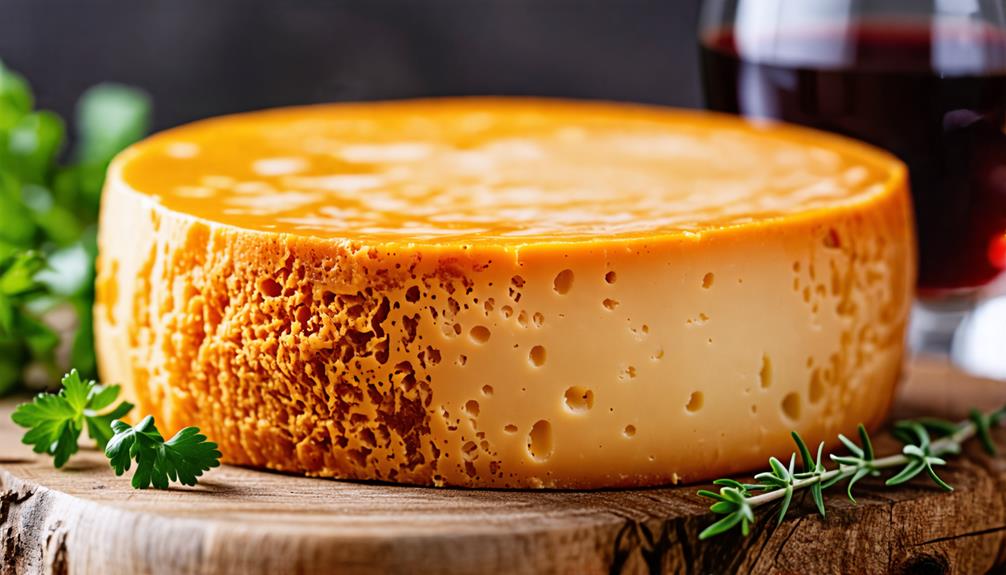
Stinking Bishop cheese is renowned for its potent odor and distinctive name, both of which stem from its unique production process and intriguing history. The cheese is washed in perry, an alcoholic beverage made from the Stinking Bishop pear, which contributes to its strong aroma. This practice links the cheese to the region's agricultural heritage. Additionally, the cheese's name honors a local historical figure, Bishop Roger of Gloucester, who was known for his fiery temperament. As you delve deeper into the story of Stinking Bishop, you'll discover more fascinating details that highlight its cultural and gastronomic significance.
Overview of Stinking Bishop Cheese
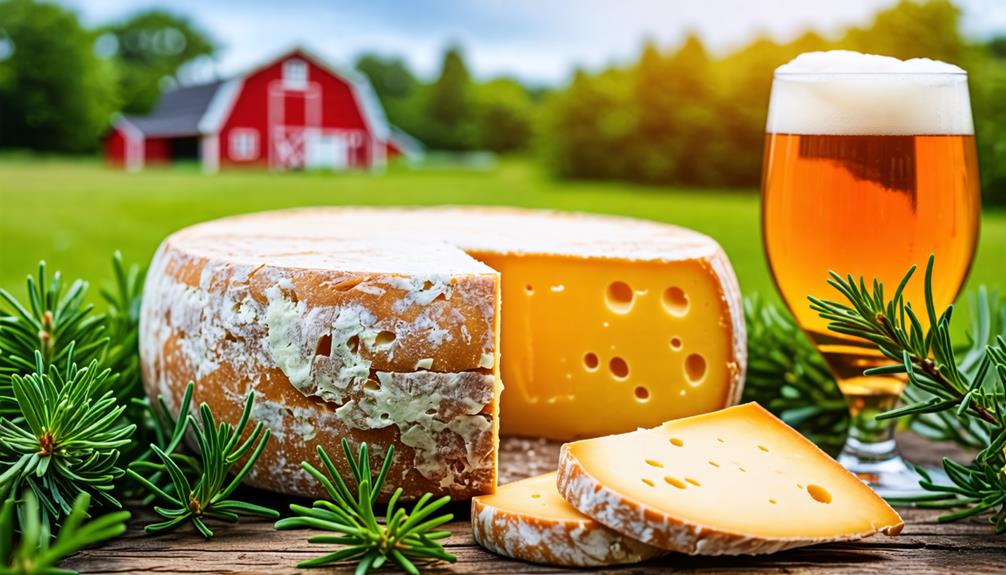
Stinking Bishop cheese, renowned for its potent aroma, originates from Gloucestershire, England, and is often touted as Britain's smelliest cheese. Its pungent odor, frequently described as putrid, comes from the bacteria Brevibacterium linens. This cheese features a distinctive washed rind, developed by bathing the cheese in perry, a type of pear cider made from Stinking Bishop pears.
Created by Charles Martell in 1994, Stinking Bishop cheese revives traditional cheesemaking techniques and the Old Gloucester cow breed. The rind-washing process enhances the flavor and contributes to the unmistakable aroma, which some find off-putting yet intriguing.
Despite its strong scent, Stinking Bishop has garnered a dedicated following, winning awards and gaining international acclaim. Its fame peaked after featuring in the 2005 film 'Wallace & Gromit: The Curse of the Were-Rabbit,' underscoring its cultural significance. Whether loved or loathed, Stinking Bishop cheese remains a unique and bold addition to the world of artisanal cheeses.
Historical Background and Naming
Understanding the origins of Stinking Bishop cheese is essential. The cheese derives its name from the Stinking Bishop pear, associated with Frederick Bishop, a 19th-century farmer known for his eccentric and unkempt ways. This historical background not only shapes the cheese's identity but also underscores the distinctive production methods that have been refined over time.
Origin of the Name
The name 'Stinking Bishop' originates from the Stinking Bishop pear, named after Frederick Bishop, a 19th-century farmer known for his poor hygiene and fondness for drink. His reputation led to the nickname being associated with the pears he grew in Gloucestershire, which were notably sweeter than typical perry pears. This association laid the foundation for the creation of a renowned cheese.
In 1994, Charles Martell revived the Old Gloucester cow breed and crafted Stinking Bishop cheese using traditional cheesemaking techniques. He washed the rind with perry made from Stinking Bishop pears, contributing to the cheese's distinctive pungent aroma.
The cheese gained significant attention after its appearance in the 2005 animated film 'Wallace & Gromit: The Curse of the Were-Rabbit,' further cementing its association with its strong scent. Today, 'Stinking Bishop' reflects both the cheese's bold character and its roots in Gloucestershire's agricultural heritage.
Historical Context of Production
Stinking Bishop cheese is steeped in a rich historical context that reflects the resurgence of traditional British farmhouse cheese-making practices. Key to this revival was Charles Martell, who in 1994 began using time-honored techniques to craft the cheese. He sourced milk from local Old Gloucester cows, known for their rich flavor, which significantly enhanced the cheese's distinctive characteristics.
The historical backdrop of Stinking Bishop cheese ties into the broader movement of cheese-making in Britain following World War II, often referred to as the Great Cheese Renaissance. During this period, there was a renewed interest in artisanal cheeses, with producers embracing long-forgotten traditional methods. Martell's dedication to these practices helped bring Stinking Bishop back from obscurity.
The cheese's production process involves washing the rind with perry, a type of pear cider made from Stinking Bishop pears. This not only contributes to the cheese's notorious pungent aroma but also connects it to the region's agricultural heritage. Reviving Stinking Bishop cheese honors both the land and the people who have shaped its legacy, making it a true historical expedition.
Influence of Frederick Bishop
Frederick Bishop's legacy directly influences the naming of Stinking Bishop cheese, connecting its distinctive characteristics to the notorious pear that bears his name. This fascinating link stems from the Stinking Bishop pear, known for its pungent odor, which reflects the reputation of its 19th-century namesake.
| Frederick Bishop | Stinking Bishop Pear |
|---|---|
| Known for heavy drinking | Strong, distinctive aroma |
| Poor hygiene reputation | Ideal for making perry |
| Cultivated in Wye Valley | Sweeter than typical perry pears |
| Influenced cheesemaking by Charles Martell | Rind washed in perry for flavor |
In 1994, Charles Martell revived the Old Gloucester cow breed, further blending historical context with modern cheesemaking. The cheese's unique name not only pays homage to the pear but also embodies the rich history and flavors tied to Frederick Bishop's farming legacy. The strong aroma you notice isn't just a coincidence; it's a reflection of the past, honoring both the pear and the cheese that emerged from it.
Unique Production Techniques
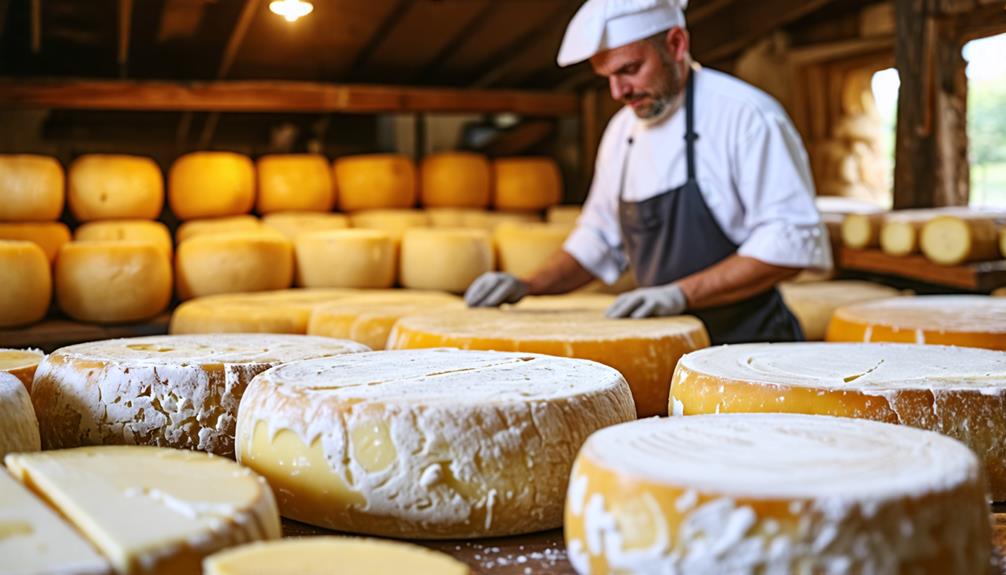
Stinking Bishop cheese, renowned for its distinctive flavor and aroma, is crafted using traditional washed-rind techniques. The process involves several crucial steps:
- Perry Bathing: The cheese is regularly washed in perry, which imparts fruity notes to its flavor profile.
- Old Gloucester Cow Milk: This rich, creamy milk enhances the cheese's texture, balancing its robust aroma.
- Brevibacterium linens: This bacterium is key to developing the cheese's characteristic pungent odor during the ripening process.
- Artisanal Quality: The use of local ingredients and traditional methods ensures that each batch maintains high quality and uniqueness.
These techniques not only enhance the cheese's taste but also produce an aroma that some compare to body odor or a rugby club changing room. By adhering to these unique production methods, Stinking Bishop cheese distinguishes itself in the realm of artisanal cheeses, demonstrating a steadfast commitment to quality and tradition.
Flavor Profile and Sensory Experience
Stinking Bishop cheese greets you with a powerful, pungent aroma that can initially be off-putting. However, upon tasting, you'll discover a surprisingly mild and creamy flavor, enriched with sweet umami and nutty notes. The contrast between its strong smell and delightful taste creates an unforgettable sensory experience.
Aroma Characteristics
Stinking Bishop cheese captivates with its distinctive aroma, often likened to strong body odor or a public restroom, due to the presence of Brevibacterium linens bacteria in its washed rind. This potent aroma is a hallmark of this unique cheese, closely tied to its production process. The cheese is washed with perry, a pear cider made from Stinking Bishop pears, which enhances its aroma during ripening, making it an unforgettable experience.
Consider these elements that contribute to its complex aroma:
- Brevibacterium linens: The bacteria responsible for the strong smell.
- Perry washing: The pear cider adds depth to the aroma.
- Rind texture: The matte, peachy rind often has mold spots, enriching the sensory experience.
- Flavor contrast: Despite the intense aroma, the flavor can be surprisingly mild and nutty.
While its aroma might initially deter you, Stinking Bishop offers a unique and memorable experience that challenges your senses and expectations.
Tasting Notes
Stinking Bishop's striking aroma might dominate your initial impression, but its tasting notes reveal a surprisingly rich and creamy flavor profile that delights the palate. Upon taking your first bite, you'll notice a buttery-smooth center that melts in your mouth, contrasting sharply with its pungent scent.
The flavor profile unfolds with sweet umami and nutty undertones, creating a complex experience that many cheese enthusiasts find irresistible. Although the strong aroma can be off-putting at first, your taste buds will soon appreciate the depth of flavors hidden within. The rind, with its matte, peachy appearance and occasional blue molds, adds another layer to the sensory experience.
Pairing Stinking Bishop with honey or a selection of other cheeses can elevate its flavor, balancing its richness and complementing its distinct taste. So, as you navigate through the strong aroma, don't forget to savor the creamy texture and intricate flavor notes that make this cheese a standout choice. You might just find it surprisingly enjoyable!
Cultural Significance and Impact

Stinking Bishop cheese holds a unique place in British culture, prominently featured in the animated film 'Wallace & Gromit: The Curse of the Were-Rabbit.' Its cultural impact extends beyond the screen, as its strong aroma has made it a popular subject in various media, often serving as a humorous gag gift or conversation piece.
Here are four key reasons why Stinking Bishop resonates widely:
- Distinctive Name: Linked to a 19th-century farmer, the cheese's name adds a layer of local folklore and historical intrigue.
- Artisanal Craftsmanship: It exemplifies the revival of traditional British farmhouse cheesemaking, highlighting expert craftsmanship.
- Cultural Events: Frequently celebrated at cheese festivals, it encourages the exploration and appreciation of diverse cheese varieties.
- Infamous Aroma: Known as Britain's smelliest cheese since 2009, it stands out in the world of cheese enthusiasts.
Stinking Bishop not only delights the palate but also leaves a memorable impression, cementing its status as a cherished part of British heritage.
Comparisons With Other Cheeses
When exploring strong-smelling cheeses, it's essential to note the similarities and differences between Stinking Bishop and other pungent varieties like Limburger and Liederkranz. Both Stinking Bishop and Limburger are classified as washed rind cheeses, undergoing similar washing processes that promote bacterial growth, resulting in their notorious aromas. However, Stinking Bishop stands out with a more intense odor and a complex flavor profile, making it a favorite among those who enjoy truly stinky cheeses.
Liederkranz shares some characteristics with Stinking Bishop, boasting an intense smell and a unique taste that appeals to fans of pungent varieties. While Montebore cheese can be comparable in terms of robust flavor, its texture and recipe differ significantly from Stinking Bishop. On the other hand, cheeses like Torta del Casar offer contrasting profiles, blending creaminess and bitterness, highlighting the diversity within the stinky cheese category. These comparisons emphasize Stinking Bishop's unique qualities and showcase the wide range of flavors and aromas found in washed rind cheeses.
Pairing Suggestions and Serving Tips
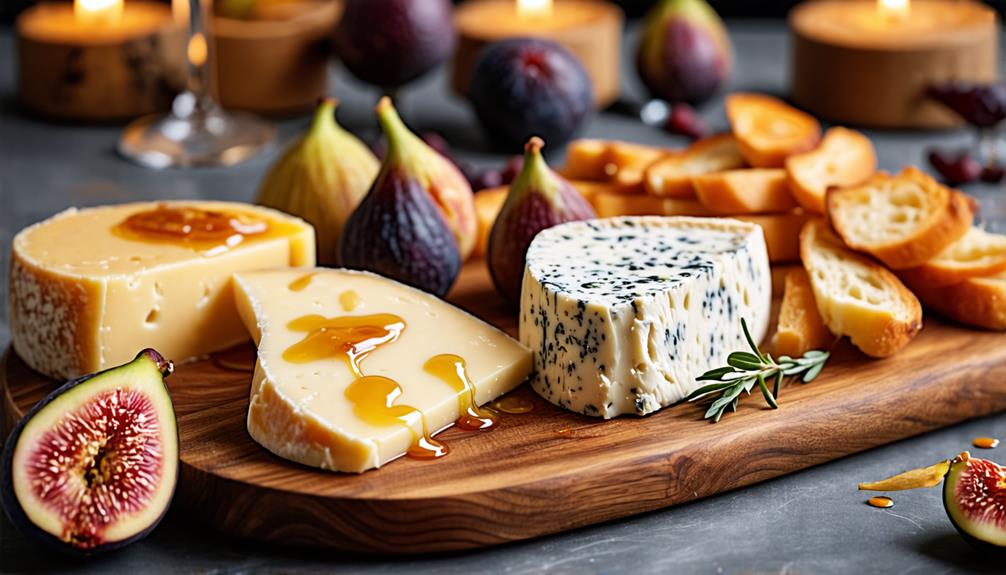
To elevate your Stinking Bishop experience, pair it with honey and a curated selection of charcuterie that complements its bold flavors. The creamy texture and nutty undertones of this unique cheese deserve thoughtful accompaniments. Here are some pairing suggestions to enhance your tasting experience:
- Fruity white wines: These balance the richness and enhance the cheese's flavor.
- Light red wines: Their subtle tannins create a delightful contrast with Stinking Bishop's creaminess.
- Savory meats: Prosciutto or salami add a salty kick, making each bite unforgettable.
- Fruits: Fresh figs or apples provide a revitalizing sweetness that cuts through the pungency.
When serving Stinking Bishop, consider shaving the cheese with a girolle tool. This increases its surface area, allowing for a more intense flavor release, perfect for pairing. For an adventurous cheeseboard, include other pungent cheeses alongside Stinking Bishop to create a diverse experience that will impress your guests. With these tips, you'll transform your cheese tasting into a memorable feast, celebrating the unique qualities of this extraordinary cheese made from rich milk!
Current Availability and Ordering Details
Ordering Stinking Bishop cheese is currently possible through several specialty retailers, though due to high demand, checking availability is advisable. Orders were previously suspended until January 3, 2023, because of Royal Mail strikes, so some retailers may still be replenishing stock. For a comprehensive list of retailers offering this unique cheese, visit the Stinking Bishop website.
Before placing an order, it's a good idea to call the retailers directly to confirm availability. Stinking Bishop cheese typically comes in a nominal weight of 1 lb (500 g), with a larger option of 4 lbs (1.8 kg) available in-store but not online.
The cheese has a shelf life of six weeks from the dispatch date, so plan your order accordingly to enjoy it at its freshest. With a bit of effort in checking availability, you can savor this deliciously pungent cheese that's well worth the pursuit!
Conclusion
Stinking Bishop cheese's strong aroma and distinctive name originate from its unique production methods and rich history. The pungent scent is due to the presence of Brevibacterium linens, a type of bacteria used in its creation. Additionally, the cheese is named after the Stinking Bishop pear, which is used to wash the rind during the aging process, highlighting its deep agricultural roots. Whether you appreciate its bold flavor or enjoy pairing it with complementary foods, this cheese provides a memorable sensory experience. Give it a try and embrace its distinctive charm!