Why Was Mimolette Cheese Banned in the USA for Its Mite Content?
The ban on Mimolette cheese in the USA highlights an intersection of food safety regulations and cultural practices. The FDA's strict limit on mite content—six per square inch—conflicts sharply with the thousands often found in this traditional French cheese. This raises questions about how a beloved product became a casualty of health concerns and allergen classifications. Is there more to this story than just mites? Examining this ban reveals deeper tensions between culinary heritage and modern food safety standards.
Mimolette Cheese Overview
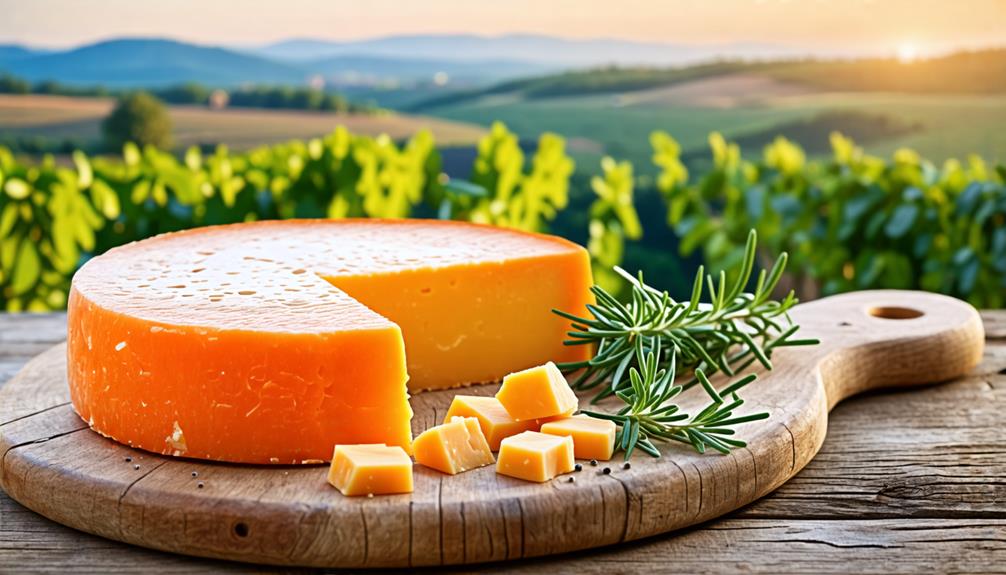
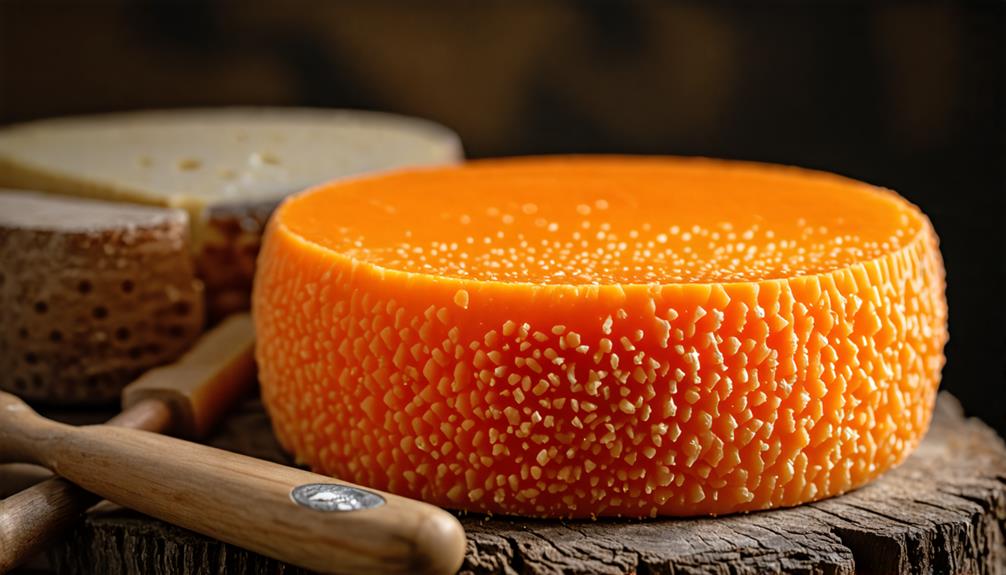
Mimolette cheese, renowned for its vibrant orange hue and rich, complex flavor, is a traditional French delicacy that has been crafted for centuries in Lille. Originally created to rival Dutch Gouda, this unique cheese offers a mild, sweet, and fruity taste with a distinctive caramel undertone. Its cannonball shape and characteristic texture, featuring tiny craters, are formed during the maturing process, which involves the development of cheese mites.
These mites play a critical role in shaping the flavor and texture of mimolette. They break down the cheese's surface, facilitating air penetration and enhancing its complexity. As the cheese matures, these tiny creatures contribute to the development of its signature flavor profile, making it truly one-of-a-kind. However, the presence of mites, while traditional, has led to health concerns and regulatory scrutiny.
Understanding the unique qualities of mimolette helps appreciate why it is cherished in France. Its vibrant color and rich taste make it a standout choice for cheese lovers, despite the controversies surrounding its production and the challenges of importing it into the U.S.
FDA Regulations on Mites
The FDA's regulations on cheese mites have created a complex landscape for Mimolette imports, balancing traditional production methods with health and safety concerns. Since 1940, the FDA has enforced a strict limit of six cheese mites per square inch. However, samples of Mimolette often exceeded this threshold, with some instances recording up to 4,000 mites per square inch. This discrepancy raised significant concerns about the cheese being classified as filthy and potentially unsafe for consumers.
In May 2013, the FDA initially banned Mimolette imports due to the excessive mite levels, classifying these mites as potential allergens and prompting heightened scrutiny of the cheese's safety. Despite the traditional acceptance of cheese mites in Mimolette production for flavor enhancement, their presence raised urgent health risk questions.
Recently, the FDA has softened its stance, allowing Mimolette imports once again provided producers comply with the established health regulations regarding mite levels. This shift indicates a willingness to find a middle ground, enabling consumers to enjoy Mimolette while ensuring safety standards are met. Consequently, the regulatory landscape continues to evolve, reflecting ongoing discussions about balancing tradition and health.
Production Practices in France
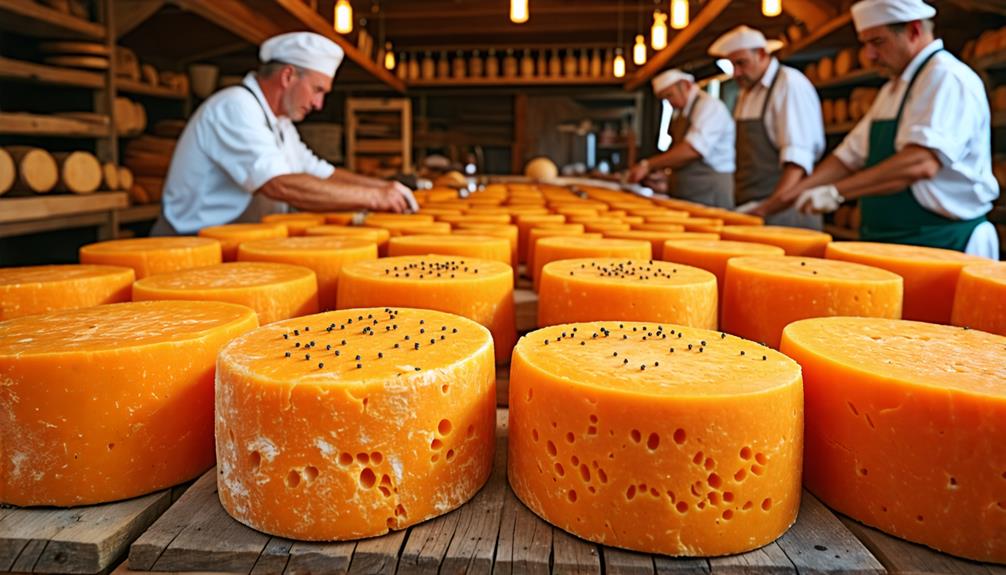
When investigating Mimolette cheese production in France, you'll observe the traditional aging techniques that define its character. Cheese mites play a crucial role in this process, contributing to the cheese's unique flavor and texture. However, many producers have adapted their methods recently, affecting mite presence and altering general production practices.
Traditional Aging Techniques
Traditionally, French cheesemakers often introduce cheese mites during the maturation process to cultivate Mimolette's unique flavor and texture. These tiny creatures play a vital role in the time-honored cheesemaking methods passed down through generations. As the cheese ages, the mites create small craters, enhancing ripening and allowing the cheese to develop its distinctive taste profile.
The presence of cheese mites is accepted by French producers, who view them as essential to the maturation process. Mites help break down the cheese's surface, promoting deeper flavors and more complex textures. However, in recent years, some cheesemakers have adjusted their aging practices to reduce mite numbers, aiming to balance tradition with modern regulatory requirements.
This shift has impacted the availability of super-aged Mimolette, matured for 24 to 30 months. Regulations on mite limits can make producing these versions challenging, but producers continue to strive to maintain the characteristic qualities that define this beloved cheese.
Role of Cheese Mites
Cheese mites play a crucial role in the maturation of Mimolette cheese in France, impacting its texture and flavor. Here's how these tiny creatures contribute to Mimolette:
- Texture Development: Mites create tiny craters in the cheese, enhancing airflow and moisture control.
- Flavor Enhancement: The activity of the mites during maturation enriches the cheese's flavor, giving Mimolette its unique taste.
- Ripening Process: Typically aged for 12 to 18 months, the presence of cheese mites is vital for achieving the desired maturity and quality.
Traditional French cheesemakers have long valued cheese mites for their essential role in producing Mimolette. Although modern trends aim to reduce mite presence, the historical significance of these practices underscores the importance of cheese mites in crafting this distinctive cheese.
Producer Adaptations and Changes
Producers of Mimolette cheese in France are adapting their maturing techniques to comply with U.S. regulations while striving to preserve the cheese's distinctive character. Traditionally, cheese mites played a crucial role in Mimolette's maturing process, contributing to its unique flavor and texture. However, in response to the Food and Drug Administration's regulations, many producers have modified their methods to reduce mite presence. Consequently, recent cheese samples may exhibit fewer mites, reflecting these adaptations.
While most aged cheeses face mite issues, production practices can vary widely, affecting general mite levels. This variation means that some producers may still maintain higher mite counts for flavor, while others focus on compliance, aiming for a balance between tradition and regulation. Super-aged Mimolette, matured between 24 to 30 months, may become less available due to stricter mite regulations.
As Mimolette reenters the U.S. market, producers are committed to meeting health standards without compromising their traditional production methods. These changes help ensure the cheese remains a unique and flavorful experience while adhering to necessary guidelines.
Health Concerns and Mite Levels
Health concerns surrounding Mimolette cheese primarily revolve around the high levels of cheese mites found on its rind. These tiny pests contribute to the cheese's unique flavor but have also raised significant concerns among consumers and regulators. Here are three key points to consider:
- The FDA has set a limit of six mites per square inch, classifying any cheese exceeding this threshold as unsafe for consumption.
- Before regulatory action, approximately 75% of Mimolette samples surpassed this limit, with some samples containing up to 4,000 mites per square inch.
- While mites on the rind are considered contaminants, the actual health risks from consuming them remain uncertain. Only occasional allergic reactions have been reported, and no confirmed illnesses have been directly linked to mite ingestion.
This issue underscores broader health concerns related to traditional cheese production methods. While some consumers may appreciate the distinctive taste of Mimolette, the presence of these mites raises questions about food safety and regulatory standards. When considering trying this cheese, it is essential to weigh the potential risks against its unique flavor profile.
Criticism of FDA Standards
Critics argue that the FDA's limit on cheese mites lacks a solid scientific foundation, questioning its rationale. The FDA has set a threshold of six cheese mites per square inch, but many experts in the cheese community find this number arbitrary and unsupported by scientific evidence. They contend that historical consumption of Mimolette shows no link to health risks, suggesting that the mite levels present in this cheese are not a legitimate concern.
Moreover, the criticism extends to inconsistencies in regulations. Other allergens, such as milk and mold, don't face the same stringent limits, raising questions about why cheese mites are treated differently. An FDA spokeswoman has cited health concerns as justification, yet the broader debate highlights issues of food authenticity and the preservation of traditional cheese-making methods. Supporters of Mimolette argue that natural cheeses may pose fewer health risks compared to artificially preserved varieties, challenging the FDA's stance. As discussions continue, the need for a more balanced approach to food safety regulations becomes increasingly urgent.
Support From Culinary Figures
Prominent culinary figures have united to defend Mimolette, arguing that the ban threatens the integrity of traditional French cheesemaking in the U.S. Renowned chefs like Ludo Lefebvre and Michelin-starred Jean-François Piège have voiced strong support for this cherished cheese, emphasizing its cultural significance. They contend that the ban not only impacts culinary diversity but also undermines the heritage of French cheesemakers.
Here are three key reasons why the culinary community supports Mimolette:
- Cultural Heritage: Mimolette embodies centuries of French cheesemaking tradition, and its absence would reduce cultural diversity in American cuisine.
- Authenticity: Restricting access to Mimolette limits consumers' ability to enjoy authentic, traditional cheeses, which are essential for a rich culinary experience.
- Community Advocacy: Since 2013, food critics, chefs, and celebrities like Jamel Debbouze have passionately advocated for Mimolette, calling for changes in FDA regulations.
The backlash against the ban showcases a united front in preserving culinary heritage and supporting traditional cheesemaking values.
Impact on Consumer Access
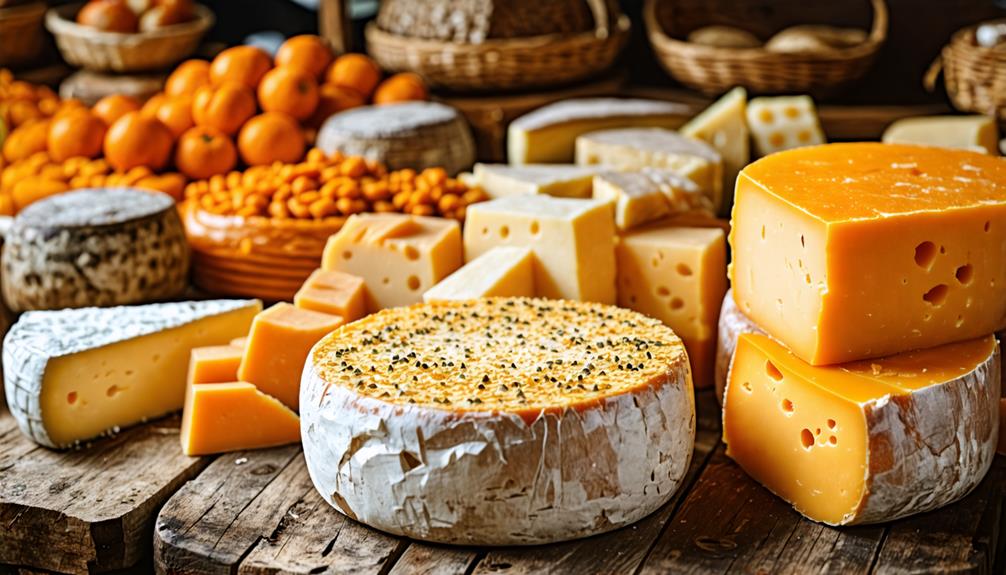
The ban on Mimolette cheese has significantly restricted consumer access, leaving enthusiasts frustrated and seeking alternatives. With stringent import restrictions imposed by the FDA, finding this beloved cheese in stores has become increasingly difficult. Many cheese lovers who appreciate its unique flavor now face limited availability.
Importers have reported financial losses as shipments remain stranded in warehouses, directly impacting small businesses that relied on its sales. These restrictions not only limit availability but also drive up prices. The remaining stock of Mimolette cheese is now sold at approximately $19.99 per pound, reflecting its artisanal nature and limited supply. This scarcity has heightened the cheese's desirability, creating a niche demand among consumers who seek out authentic French cheeses.
Finding substitutes can be challenging, as other cheeses do not replicate the rich, nutty taste and distinctive texture of Mimolette. The ongoing import restrictions have undeniably altered the cheese-buying experience, creating uncertainty around the future availability of Mimolette cheese in the U.S.
Conclusion
Mimolette cheese's ban in the U.S. underscores the tension between traditional food practices and modern health regulations. The concerns over mite content, while valid, invite reflection on the cultural significance and craftsmanship of this unique cheese. As culinary advocates push for its return, there's hope that regulations might adapt, allowing Mimolette to be enjoyed once more. Balancing safety and tradition could enhance the culinary experience for all.