A Guide to Cheddar Cheese Varieties
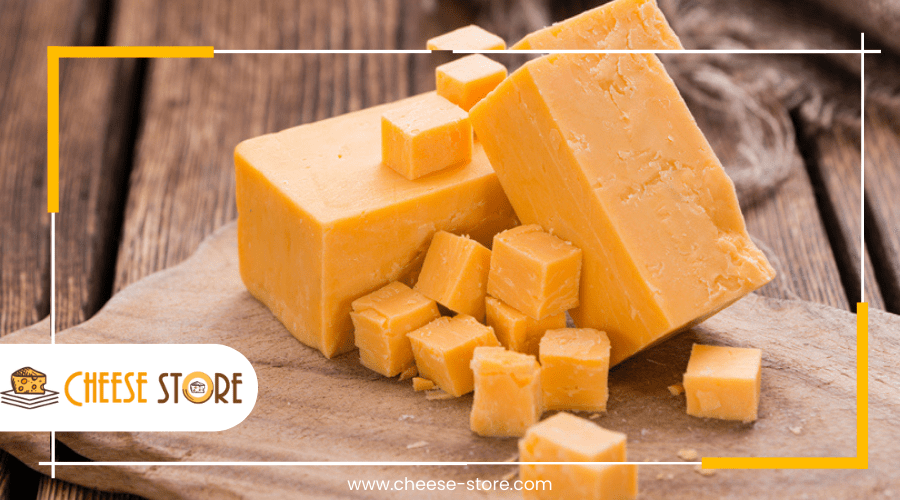
Cheddar cheese is a global favorite, bringing its rich flavors and textures to everything from simple snacks to gourmet meals. From a humble village in England to kitchens worldwide, cheddar has captured hearts (and taste buds) everywhere. But did you know that cheddar isn’t just a single type of cheese? It’s not just American cheese - it actually comes in several types with a whole spectrum of flavors and textures, depending on factors like age, production methods, and even the kind of rind it has. Whether you prefer it mild and creamy or extra sharp and crumbly, there’s a cheddar cheese out there that’s perfect for you.
What is Cheddar Cheese?
At its core, cheddar is a cow’s milk cheese originating from Cheddar, a village in Somerset, England. Traditional cheddar-making starts with fresh milk, which is transformed into curds. The curds are then stacked and turned in a process known as "cheddaring," which removes extra whey and develops cheddar’s signature texture. This technique is one reason cheddar has such a distinct feel and taste.
Cheddar can age anywhere from a couple of months to several years, with the aging process having a big impact on its final taste and texture. Many of cheddar’s key traits, such as color, texture, and flavor, can vary significantly depending on the cheese’s age and how it’s made.
- Color: Ranges from white to pale yellow and, in some cases, bright orange.
- Texture: Can be smooth, creamy, or crumbly, depending on age.
- Flavor: Varies from mild and milky to bold, sharp, and complex.
People love cheddar for its versatility. You can enjoy it as a quick snack, melt it in a sandwich, grate it over a dish, or mix it into sauces. With so many options, cheddar truly suits almost any taste.
Cheddar Cheese Types Based on Age
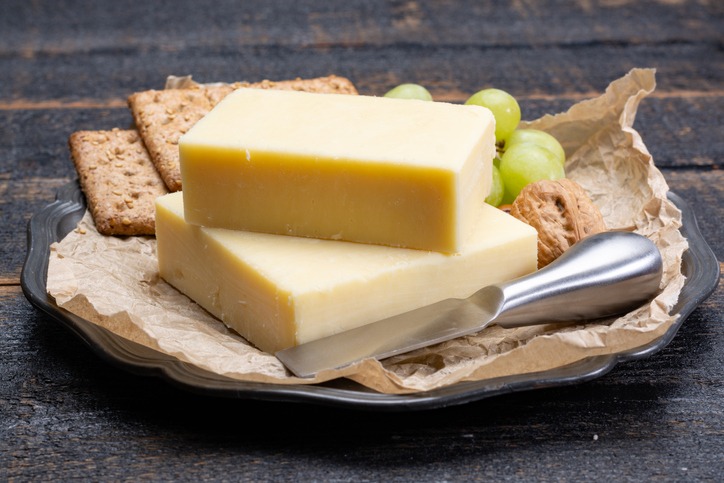
Cheddar cheese’s flavor profile changes dramatically with age. Each aging stage brings out new notes and textures, creating a distinct experience with each bite. Here’s a look at cheddar’s flavor journey, from young and mild to intensely aged and extra sharp.
- Mild Cheddar (1-3 Months):
Mild cheddar is the youngest type, aged for just a few months. This cheddar is known for its soft, creamy texture and subtle, milky taste. It’s easy to melt and works wonderfully in grilled cheese, mac and cheese, and casseroles where you want a smooth, gentle cheese flavor.
- Medium Cheddar (3-6 Months):
A step up from mild, medium cheddar starts to show a bit more character while still maintaining a smooth texture. It’s a favorite for those who want more flavor without too much sharpness, making it ideal for snacking, cooking, or pairing with crackers and fruits.
- Sharp Cheddar (6-12 Months):
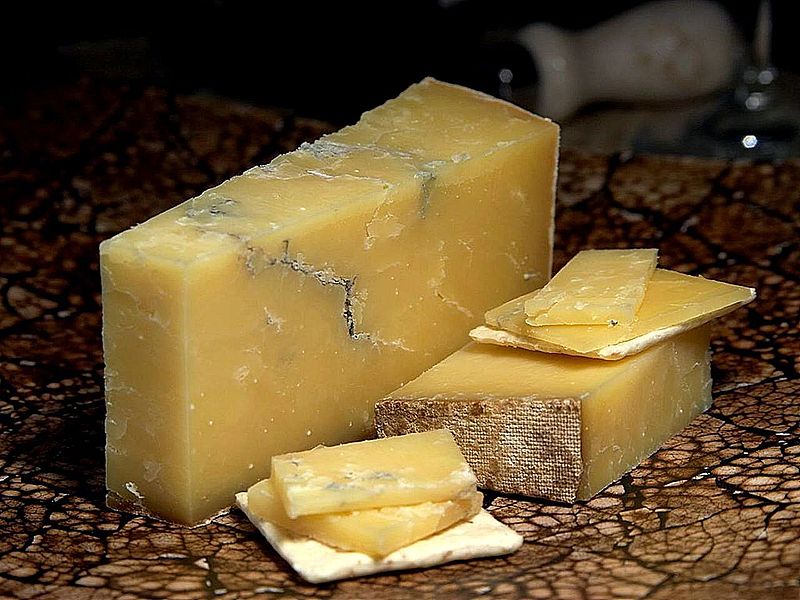
This variety ages for up to a year, giving it a firmer texture and a bolder, more tangy taste. As sharp cheddar ages, small white calcium crystals may form on its surface. These add a pleasant, crunchy texture and are entirely safe to eat. Sharp cheddar is perfect for cheese plates, sandwiches, and dishes where you want a punch of flavor.
- Extra Sharp Cheddar (12+ Months):
For cheddar lovers seeking an intense, complex flavor, extra sharp cheddar is a dream come true. This cheese ages for at least a year, sometimes much longer. Its texture is crumbly, its flavor is robust, and it often contains those same delightful crystals. Aged cheddars up to five or even ten years bring out nutty and earthy notes that make it a stand-out choice for pairing with fine wines or strong ales.
| Type | Aging Time | Texture | Flavor |
| Mild | 1-3 months | Soft, creamy | Subtle, milky |
| Medium | 3-6 months | Smooth | Balanced |
| Sharp | 6-12 months | Firm | Strong |
| Extra Sharp | 12+ months | Crumbly, dry | Very strong, complex |
What’s the Taste of Cheddar Cheese?
Cheddar’s flavor is a journey in itself, evolving with each stage of aging. Young cheddar starts out mild and creamy, with a straightforward taste that’s perfect for those new to stronger cheeses. As cheddar ages, its flavor grows richer, with tangy, buttery notes and a slight hint of sweetness.
- Semi-Sharp Cheddar: Slightly tangy, semi-sharp cheddar adds a richer and more buttery taste while still remaining mild enough for most people to enjoy.
- Sharp Cheddar: With tangy, nutty flavors and a bit of earthiness, sharp cheddar is the classic taste most people associate with cheddar. The sweetness present in younger cheddars fades, giving way to a bolder profile.
- Aged Cheddar: The longer cheddar ages, the stronger and more complex it becomes. Extra sharp or aged cheddar brings in savory notes with a nutty, earthy taste that deepens over time.
For those avoiding dairy, vegan cheddar alternatives mimic the taste of traditional sharp cheddar. While they won’t match the depth of extra-aged varieties, many vegan cheddars bring a tangy, nutty taste close to the original.
Flavored Cheddar Varieties
Cheddar is also a versatile base for a range of flavored varieties. Many cheesemakers add ingredients to create unique cheddar experiences. Some common flavors include:
- Herbs (e.g., basil, dill)
- Spices (e.g., paprika, chili)
- Unconventional flavors (e.g., coffee, tea)
These flavors add a new layer to cheddar’s taste and offer a creative way to explore new combinations in the cheese world.
Cheddar Cheese Varieties by Rind Type
The way cheddar cheese is aged and the type of rind it develops play a significant role in its final flavor and texture. Here are the main types:
- Rindless Cheddar: Aged without exposure to oxygen, this type has a dense, fudgy texture and a sharp, tangy flavor. Rindless cheddar is commonly found in vacuum-sealed packages.
- Clothbound Cheddar: Wrapped in cloth during aging, this cheddar type allows some air exposure while preventing excess moisture. The result is a cheese with a hard rind, dry texture, and complex flavor that often has nutty, grassy notes.
- Waxed Cheddar: This type is sealed in wax during aging, locking in moisture for a smooth, buttery texture and a milder flavor with earthy, sweet notes.
| Type | Texture | Flavor | Aging Method |
| Rindless | Dense, fudgy | Sharp, tangy | No oxygen |
| Clothbound | Dry, crumbly | Strong, complex | Some air exposure |
| Waxed | Smooth, buttery | Mild, complex | Sealed in wax |
White Cheddar vs. Orange Cheddar: Does Color Matter?
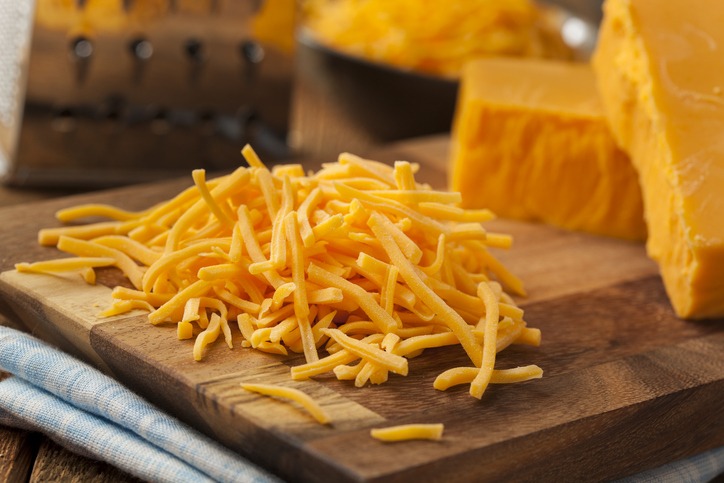
Despite common belief, color has little to do with cheddar’s flavor. Traditionally, cheddar comes in two colors: white and orange. Orange cheddar gets its hue from a natural dye called annatto, derived from the seeds of the achiote tree. While this practice started to make cheese look richer, it has no effect on taste.
| White Cheddar | Orange Cheddar |
| Natural color | It uses added dye (often annatto) |
| No dye used | Aesthetic preference |
Some regions, like Wisconsin, are known for their orange cheddar, while others prefer the natural white. Either way, the taste remains the same—just pick whichever color looks best on your plate!
Spotting the Differences in English, Irish, Scottish, and Welsh Cheddar
Cheddar cheese isn’t just an English tradition. Variations exist across the United Kingdom, and each has its own distinctive profile:
- England: Known for its classic sharp and tangy taste.
- Ireland: Often described as richer and less sharp than English cheddar.
- Scotland and Wales: Similar in taste to English cheddar but with regional nuances.
Factors like milk quality, local production methods, and even the type of grass the cows eat can influence cheddar’s taste. Exploring cheddars from these different regions is a fun way to experience slight variations in this beloved cheese.
Cheddar Cheese Pairings
Pairing cheddar with complementary foods and drinks can elevate its flavor profile. Here are some recommended pairings for different types of cheddar:
- Mild Cheddar: Pairs well with apples, mild crackers, and light white wines like Sauvignon Blanc.
- Medium Cheddar: Complements grapes, sourdough bread, and light beers or pale ales.
- Sharp Cheddar: Great with dark bread, almonds, and red wines like Cabernet Sauvignon or a robust stout.
- Extra Sharp Cheddar: Best enjoyed with dried fruits, hearty breads, and bold drinks like whiskey or port.
Whether you’re creating a cheese board or looking to try new pairings, these combinations bring out the best in each cheddar variety.
Cooking with Cheddar
Cheddar’s versatility makes it a superstar in the kitchen. Here’s how to make the most of each cheddar type when cooking:
- Mild and Medium Cheddar: These younger, softer cheddars are ideal for melting. Use them in creamy dishes like macaroni and cheese, grilled cheese sandwiches, and casseroles. Their mild flavors blend well without overpowering other ingredients, giving dishes a rich, creamy texture.
- Sharp Cheddar: Sharp cheddar shines when you need a bold, cheesy taste. Add it to burgers, cheese plates, and baked potatoes for a flavorful punch. It’s also fantastic in savory pastries, like cheese scones or quiches, where its tanginess can stand up to other flavors.
- Extra Sharp Cheddar: With its intense flavor and crumbly texture, extra sharp cheddar is best enjoyed on its own or as a topping. Grate it over salads, roasted vegetables, or pasta for an added layer of depth. Because of its complexity, extra sharp cheddar can also be the star of a cheese board, paired with crusty bread, nuts, and dried fruit.
For each type of cheddar, there’s a perfect recipe or pairing waiting to be discovered. Experimenting with different cheddars in the kitchen lets you fully appreciate their unique flavors.
Conclusion
Cheddar cheese offers a world of flavors and textures, from the soft creaminess of mild varieties to the bold tang of extra-aged types. Each aging stage and production style brings out different qualities, providing options to suit any preference. Whether you’re a fan of mild, meltable cheddar for cozy dishes or crave the strong, nutty notes of extra sharp cheddar for special occasions, there’s a cheddar out there for everyone.
Exploring cheddar varieties can be a delicious journey, one that might even inspire you to try cheddars from around the world or experiment with food and drink pairings. So next time you’re at the cheese counter, don’t just grab the usual—try something new and discover your own favorite face of cheddar.