Cashew Cheese Guide: Vegan Cheese Production & Nutritional Profile
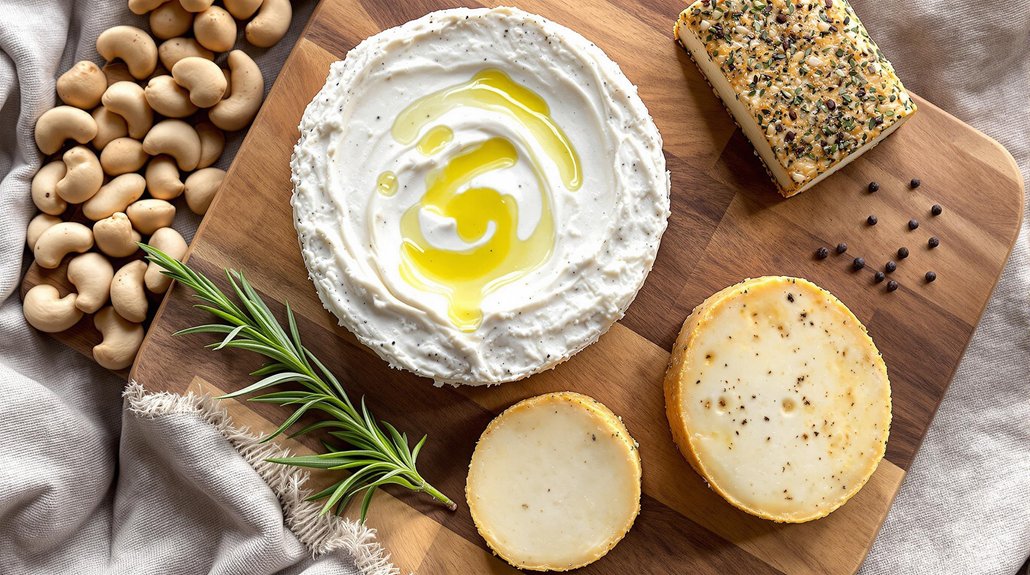
Cashew cheese transforms soaked nuts into creamy, fermented plant-based alternatives through a simple blend-and-culture process. Unlike commercial vegan cheeses filled with additives and oils, homemade cashew versions offer genuine nutrition with healthy fats, zero cholesterol, and beneficial probiotics from fermentation. You'll enjoy the versatility of cashew cheese in everything from spreads to melted toppings. The techniques behind creating these dairy-free delicacies combine ancient fermentation wisdom with modern nutritional understanding.
The Evolution of Vegan Cheese Alternatives
As veganism has surged in popularity over the past decade, plant-based cheese alternatives have evolved from obscure specialty items to mainstream grocery staples. You've likely noticed this shift, with early vegan cheeses often disappointing in texture and flavor compared to dairy cheese.
Many mass-produced options rely on processed ingredients and contain high levels of saturated fat from coconut oil, offering little nutritional value. The market has responded with innovation, particularly through cashew cheese, which delivers a creamy texture without artificial additives.
These artisanal versions incorporate plant-based ingredients like nutritional yeast for that savory, umami flavor you crave. Unlike their processed counterparts, whole food vegan cheeses offer genuine nutrition while satisfying your cheese cravings with less environmental impact than traditional dairy cheese. This growing category builds upon centuries of plant-based cheese innovation, dating back to fermented tofu products first created in China and the Okinawa Islands in the 1500s.
The Science Behind Cashew Cheese Production
While traditional dairy cheese relies on animal proteins for structure, cashew cheese transforms through entirely different biochemical processes. Similar to their dairy counterparts, vegan cashew cheeses involve careful microbial cultivation—particularly Lactococcus lactis and Leuconostoc mesenteroides bacteria, along with Penicillium camemberti and Geotrichum candidum molds for ripening.
The production process typically includes:
- Soaking raw cashews and blending them with whole food ingredients like nutritional yeast and probiotics
- Fermenting the mixture to develop complex flavors and fatty acids profiles different from dairy
- Aging the cheese to allow beneficial microbes to transform texture and flavor compounds
Calories per serving in cashew cheese generally come from healthy plant fats rather than animal sources, making it an increasingly popular alternative in the growing plant-based market. The blending process often involves combining softened cashews with coconut oil and other ingredients to achieve the creamy consistency essential for quality vegan cheese.
Nutritional Breakdown: Cashew Cheese vs. Dairy Cheese
Despite sharing similar culinary applications, cashew cheese and dairy cheese offer distinctly different nutritional profiles worth understanding before you make dietary choices. While dairy products typically contain more protein and calcium naturally, food-based vegan cheeses like cashew varieties can be fortified to address these gaps.
You'll find cashew cheese offers significant heart health benefits with its higher unsaturated fat content compared to the saturated fats in dairy cheese. Perhaps most significantly, cashew cheese contains zero cholesterol, making it advantageous for those monitoring cardiovascular health.
The nutritional value of both options varies regarding vitamin content too. Dairy cheese provides vitamin B12 naturally, whereas cashew cheese often requires fortification. When choosing between these options, consider which nutritional aspects matter most for your specific dietary needs.
Health Benefits of Plant-Based Cashew Cheese
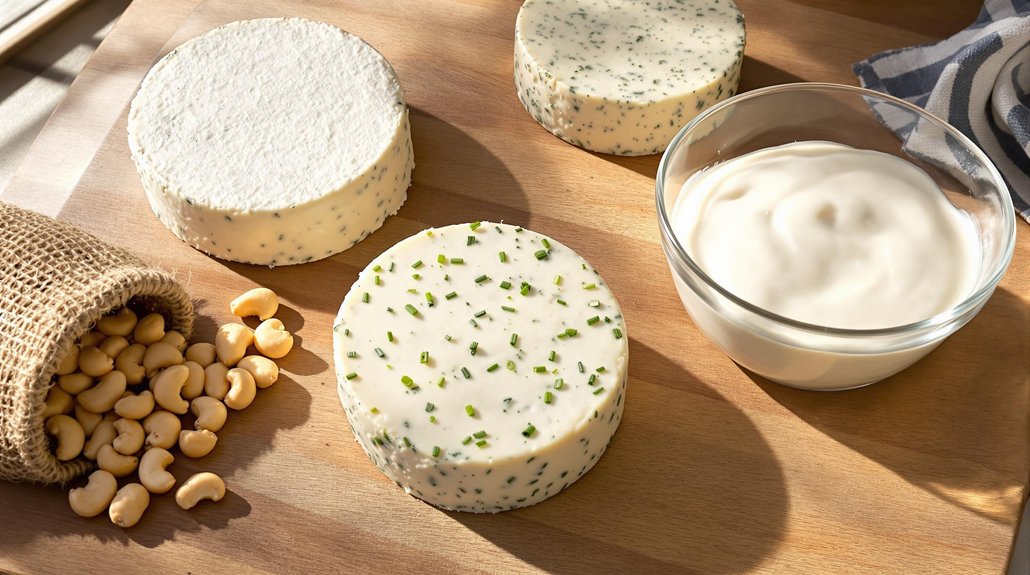
Because they're made from whole food ingredients, cashew-based cheeses offer remarkable health advantages over both conventional dairy and processed vegan alternatives. You'll enjoy significant nutritional improvements when switching from dairy cheeses to these plant-based options, particularly for cardiovascular health.
- Heart-Healthy Profile - Cashew cheese contains no cholesterol and fewer saturated fats compared to dairy cheeses, potentially helping manage cholesterol levels.
- Clean Nutrition - You're avoiding the artificial additives and modified starches found in processed vegan cheeses while getting a good source of plant-based protein and essential minerals.
- Probiotic Benefits - The natural fermentation process creates beneficial cultures that support gut health, adding a dimension of Health Benefits beyond basic nutrition.
Common Additives in Commercial Vegan Cheeses
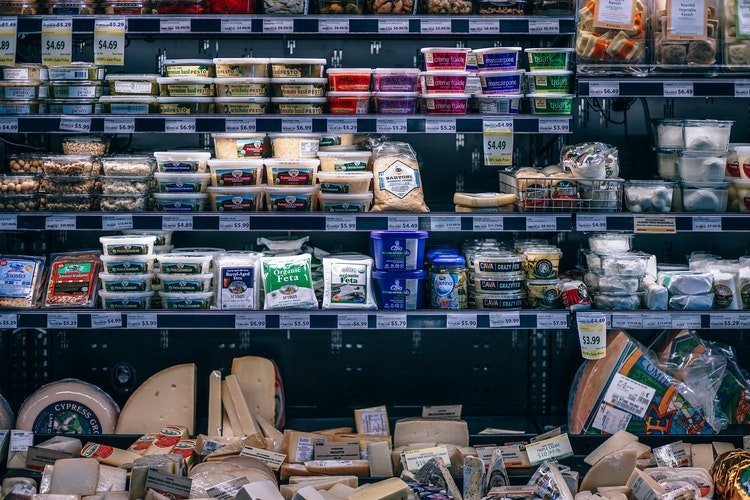
The vegan cheese aisle harbors a concerning reality behind bright packaging and dairy-free claims. Many commercial options rely heavily on coconut oil, vegetable oils, and other oil as a base, contributing significant saturated fat without nutritional benefits.
Look closely at ingredient lists and you'll find modified starches, artificial thickeners, acidity regulators, and synthetic colors that provide empty calories while lacking dietary fiber and essential nutrients. Unlike natural cashew cheese, which can be a good source of plant-based protein, these processed alternatives often contain minimal protein, calcium, or vitamin D.
The health implications are concerning - these cheeses may be dairy-free but their high saturated fat content from coconut and palm oils can negatively impact heart health while providing little nutritional value in return.
Crafting Homemade Cashew Cheese: Basic Techniques
Making your own cashew cheese at home begins with a simple yet transformative process that yields creamy, flavorful results without artificial additives. This vegan cheese alternative relies on fermentation to develop its distinct flavor profile and texture.
To craft perfect cashew cheese:
- Blending stage: Combine soaked cashews with acidic ingredients like lemon juice and vinegar, adding coconut oil for a sliceable final texture
- Fermentation period: Transfer the mixture to a mason jar and let beneficial bacteria work for 16-48 hours until air bubbles appear and a cheese-like aroma develops
- Setting process: Refrigerate for at least 4 hours before shaping into logs, then chill another 2 hours before serving
You'll know your fermentation succeeded when the texture becomes creamy and spreadable, similar to traditional cream cheese.
Fermentation Process and Flavor Development
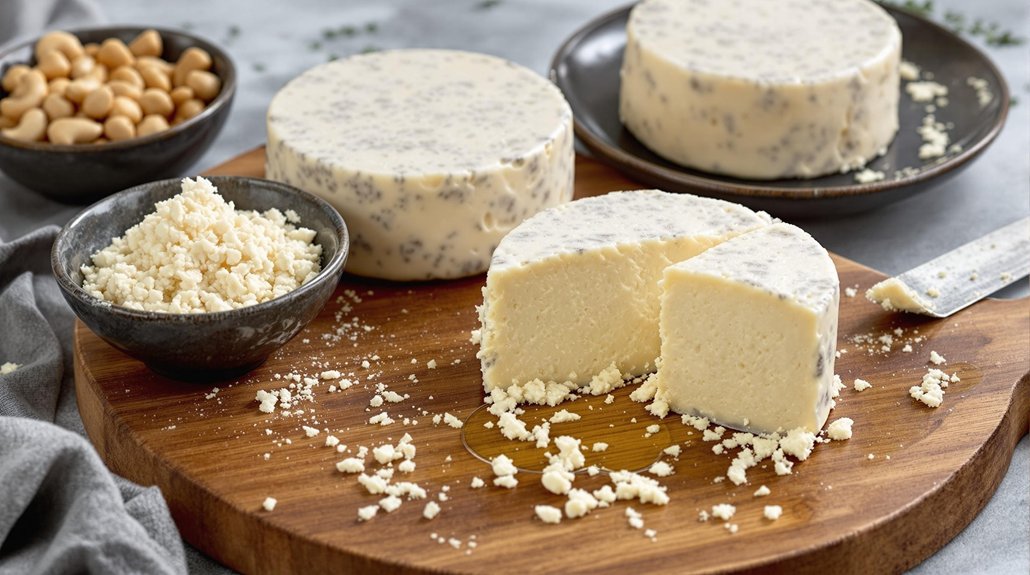
Beneath the surface of your cashew mixture, microbial magic transforms simple ingredients into complex cheese-like flavors during fermentation. During this 16-48 hour process, Lactococcus lactis and Leuconostoc mesenteroides bacteria proliferate, creating bubbles and distinctive aromas that signal proper development.
When making cashew cheese, you're actually cultivating diverse microbial communities that work together to create the final product. These microbes, typically inoculated into plant-based matrices, are similar to those found in traditional dairy fermentation.
For aged varieties, ripening molds like Penicillium camemberti and Geotrichum candidum contribute to developing that characteristic bloomy rind. The interaction between these different microbial species isn't just fascinating science—it's responsible for the complex flavor development and unique texture that makes your cashew cheese so satisfying.
Incorporating Cashew Cheese in Everyday Cooking
Countless everyday dishes transform when you introduce homemade cashew cheese to your culinary repertoire. The best vegan cheese alternatives offer both taste and texture that rival dairy options, with cashew cheese standing out for its remarkable versatility. You'll find vegan cheese recipes become staples as you experiment with different flavors.
- Upgrade meals with creamy applications - Turn ordinary pasta into gourmet fare with a cashew cheese sauce, or elevate sandwiches and wraps with spreadable versions.
- Perfect for entertaining - Create impressive cheese boards with sliced or crumbled varieties seasoned with herbs and spices.
- Enhance familiar favorites - Sprinkle shredded cashew cheese on tacos, pizza, or baked potatoes for added protein and healthy fats without sacrificing creaminess.
Environmental Impact of Cashew Cheese Production
Beyond enhancing your meals with creamy textures and flavors, cashew cheese offers significant environmental advantages worth considering. Unlike dairy cheeses, cashew-based alternatives don't require livestock rearing, substantially reducing greenhouse gas emissions and resource consumption.
The vegan cheese market growth reflects increasing awareness of these environmental benefits. When you choose plant-based cheeses, you're supporting a production system that uses less water and land while avoiding the ecological degradation associated with industrial animal agriculture.
While cashew cultivation does have an environmental footprint, it's distinctly smaller than dairy production. Sustainable farming practices and renewable energy in processing further minimize this impact. The nutrition facts of cashew cheese come with the added benefit of a clearer conscience—your food choices directly contribute to preserving natural resources for future generations.