Cheeses That Don’t Need Refrigeration: Guide to Shelf-Stable Cheeses
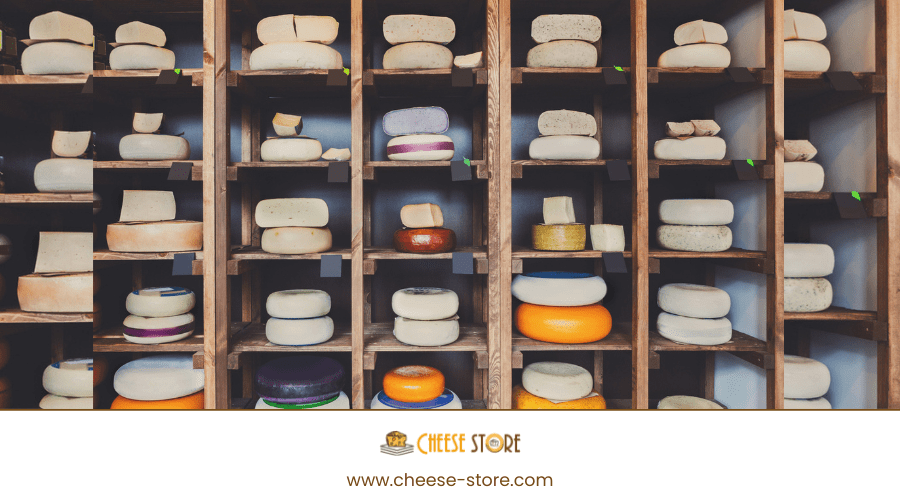
Cheese is one of the most versatile foods, cherished in cuisines across the globe. In many cultures, cheeses are savored at room temperature, where their flavors and textures are allowed to shine without the chill of refrigeration. While many of us automatically store cheese in the fridge, some varieties are perfectly happy — and even better — without it. These cheeses bring an array of benefits, from convenient storage to enhanced flavor and easy travel.
Whether you’re short on fridge space, planning for a picnic, or looking for delicious options to take on a trip, here’s a guide to cheeses that don’t require refrigeration. Dive into these shelf-stable cheeses, learn how to store them, and explore new ways to savor every bite.
| Cheese | Origin | Characteristics & Storage Tips | Common Uses |
|---|---|---|---|
| Parmigiano Reggiano | Italy | Hard, granular texture; aged 12+ months. Wrap in wax or cheese paper, store in an airtight container in a cool, dark place. | Grated on pasta, salads, soups; eaten as a snack. |
| Pecorino Romano | Italy | Hard, salty sheep’s milk cheese. Wrap in parchment or wax paper and seal in a bag or container; store in a cool, dry area. | Grated on pasta, salads; melts well in sauces. |
| Aged Cheddar | England/USA | Firm and sharp flavor; aged 6+ months. Wrap in parchment or wax paper, place in a sealed container in a dark pantry. | Cheese boards, sandwiches, casseroles. |
| Grana Padano | Italy | Hard, nutty, slightly sweet. Wrap in parchment, store in an airtight container away from sunlight. | Grated on pasta, pizza, served with olives. |
| Asiago D’allevo | Italy | Firm, nutty and tangy flavor. Wrap in cheese paper or wax paper; store sealed in a cool, dark place. | Snacking, cheese boards, salads, pizzas. |
| Dry Jack | USA (California) | Hard, nutty, and slightly sweet. Wrap in wax or parchment paper; seal in a container and store in a pantry. | Grated on Mexican dishes, snacking, salads. |
| Manchego (Aged) | Spain | Firm sheep’s milk cheese with a nutty, buttery flavor. Wrap in wax paper and store in a dry, cool place. | Tapas, cheese boards, grated on salads. |
| Mimolette | France | Hard, orange, with nutty and caramel notes. Wrap tightly and store in a dry pantry away from heat. | Shaved on salads, grated, cheese boards. |
| Gouda (Aged) | Netherlands | Hard, crystalized caramel texture. Can be stored at room temp if wax-coated and sealed properly. | Cheese boards, snacking, wine pairings. |
| Processed Cheese (Canned/Sliced) | Various (USA) | Shelf-stable, soft texture. Store unopened at room temp; refrigerate after opening. | Sandwiches, nachos, travel, emergency kits. |
Why Some Cheeses Can Go Without Refrigeration
Cheese is made to last, and the process of aging or curing gives certain varieties a naturally long shelf life. Hard and aged cheeses, in particular, have low moisture content and high salt levels, which act as natural preservatives. This means they’re far less likely to spoil outside the fridge than soft, fresh cheeses.
Choosing shelf-stable cheeses opens up a world of possibilities. Whether you need something compact and sturdy for hiking or simply want a tasty addition to your pantry, these cheeses are excellent choices. Here’s a closer look at some non-refrigerated favorites and how best to store and enjoy them.
Parmigiano Reggiano
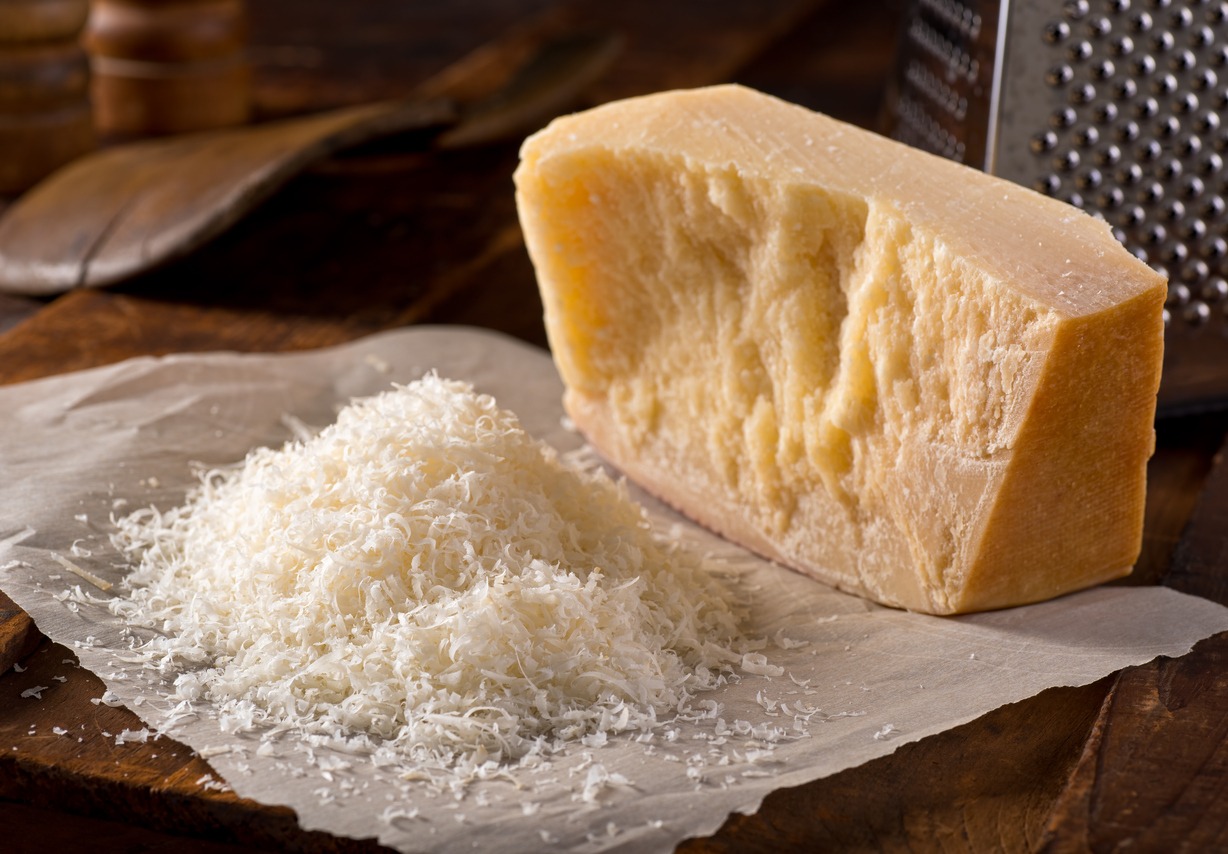
Parmigiano Reggiano, often known as Parmesan outside Italy, is beloved for its granular texture and deeply savory taste. This best-selling Italian cheese has been crafted for centuries, known for its durability and unique flavor profile. Aged over time to develop a firm, crumbly texture, it contains very little moisture, making it an ideal candidate for room-temperature storage.
Storing and Using Parmigiano Reggiano
Parmigiano Reggiano can be kept at room temperature for several weeks without issue. To store it, wrap the cheese in cheese paper or wax paper, then place it in a tightly sealed container or bag. Keep it in a cool, dark place, like a pantry, to maintain its flavor and texture. Parmigiano Reggiano is perfect for grating over pasta, salads, and soups or simply enjoyed on its own as a snack.
Pecorino Romano
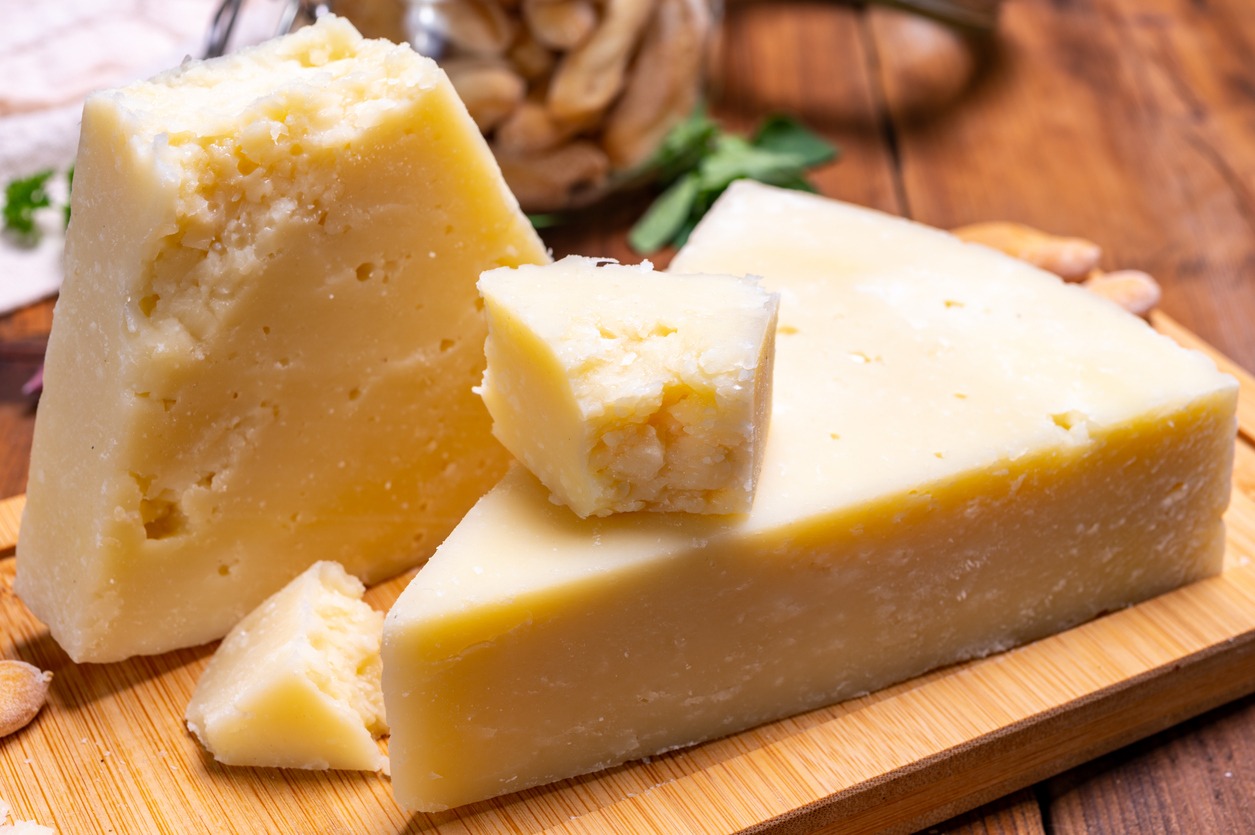
Pecorino Romano is a salty, sharp cheese made from sheep’s milk. Originally crafted by shepherds, this Italian cheese is both hardy and delicious. Its bold, tangy flavor and long shelf life make it a great pick for anyone looking for a cheese that can sit outside the fridge without worry.
Storing and Using Pecorino Romano
To store Pecorino Romano, wrap it in parchment or wax paper, then place it in a resealable bag or container. Like Parmesan, it should be kept in a cool, dark spot to prevent it from drying out or losing flavor. This cheese pairs wonderfully with pasta dishes, where its salty punch can replace the need for additional seasoning. Pecorino Romano is also excellent for grating or shaving onto salads and even melts well in certain recipes, adding a savory depth.
Aged Cheddar
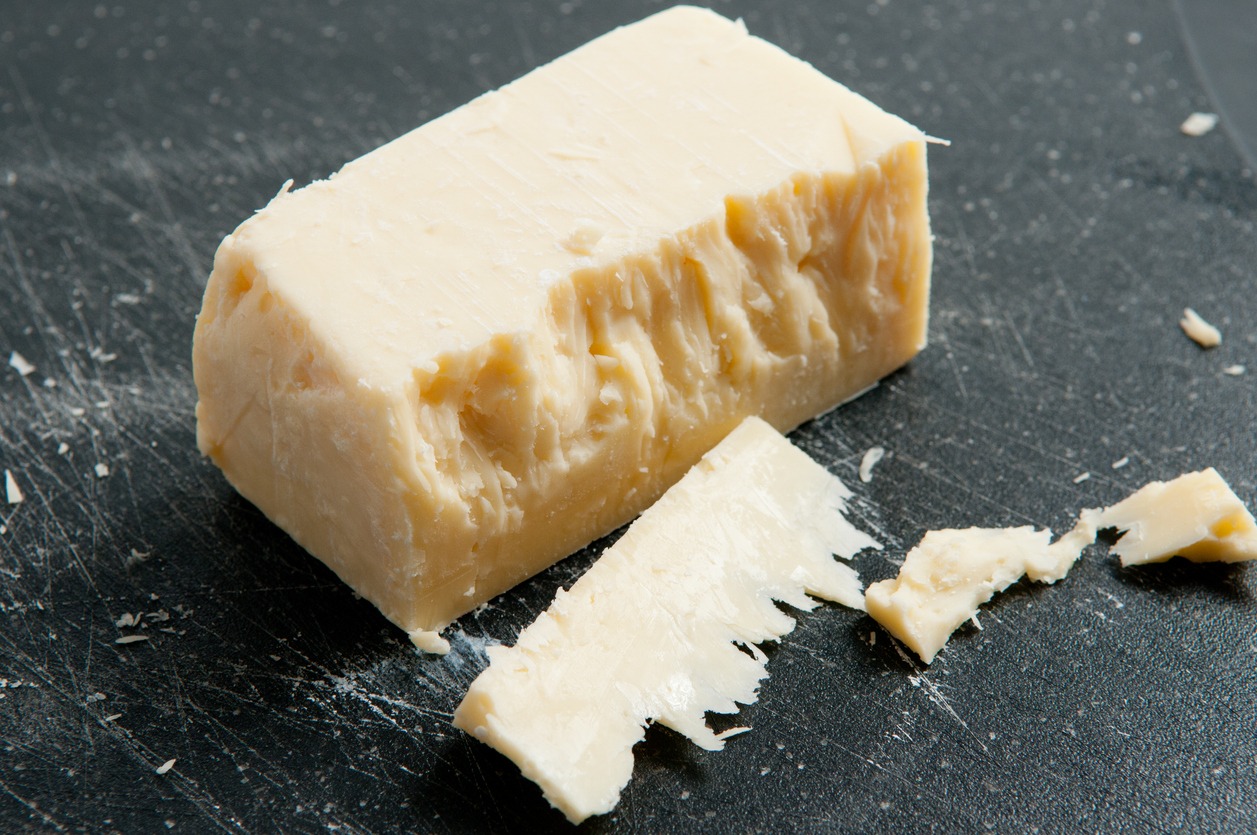
Aged cheddar is a fantastic non-refrigerated cheese option that’s both familiar and versatile. This cheese is typically aged for over six months, which intensifies its sharp flavor and makes it wonderfully crumbly. Aged cheddar’s lower moisture content and robust character allow it to remain shelf-stable for days or even weeks, depending on storage conditions.
Storing and Using Aged Cheddar
When storing aged cheddar, wrap it in parchment paper and place it in a sealed container or plastic bag. Store it in a dark, cool area. Aged cheddar shines on cheese boards, in sandwiches, or simply as a snack on its own. It can also be grated onto casseroles or melted into sauces, lending a sharp, rich flavor that elevates a wide range of dishes.
Grana Padano
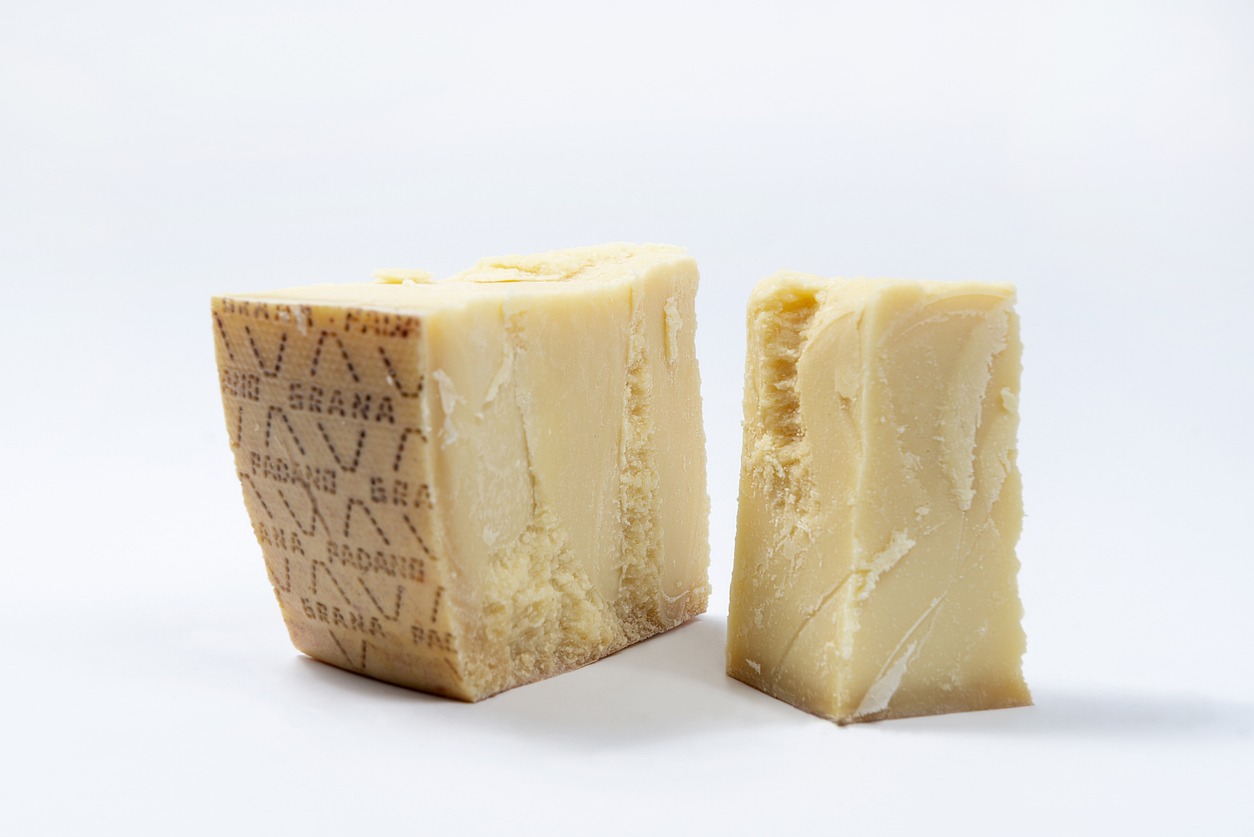
Grana Padano, similar to Parmigiano Reggiano, is another hard Italian cheese with a distinctively nutty flavor. Its texture is slightly softer than Parmesan but equally suitable for room-temperature storage. This cheese is beloved for its subtle sweetness, which balances its savory notes.
Storing and Using Grana Padano
Grana Padano stores best when wrapped in wax paper or parchment paper and placed in an airtight container. A pantry or cupboard away from direct sunlight is ideal. Grate it over pasta, use it to top pizza, or enjoy it as an appetizer with olives and nuts. Grana Padano’s milder flavor makes it a versatile option that pairs well with many foods.
Asiago D’allevo
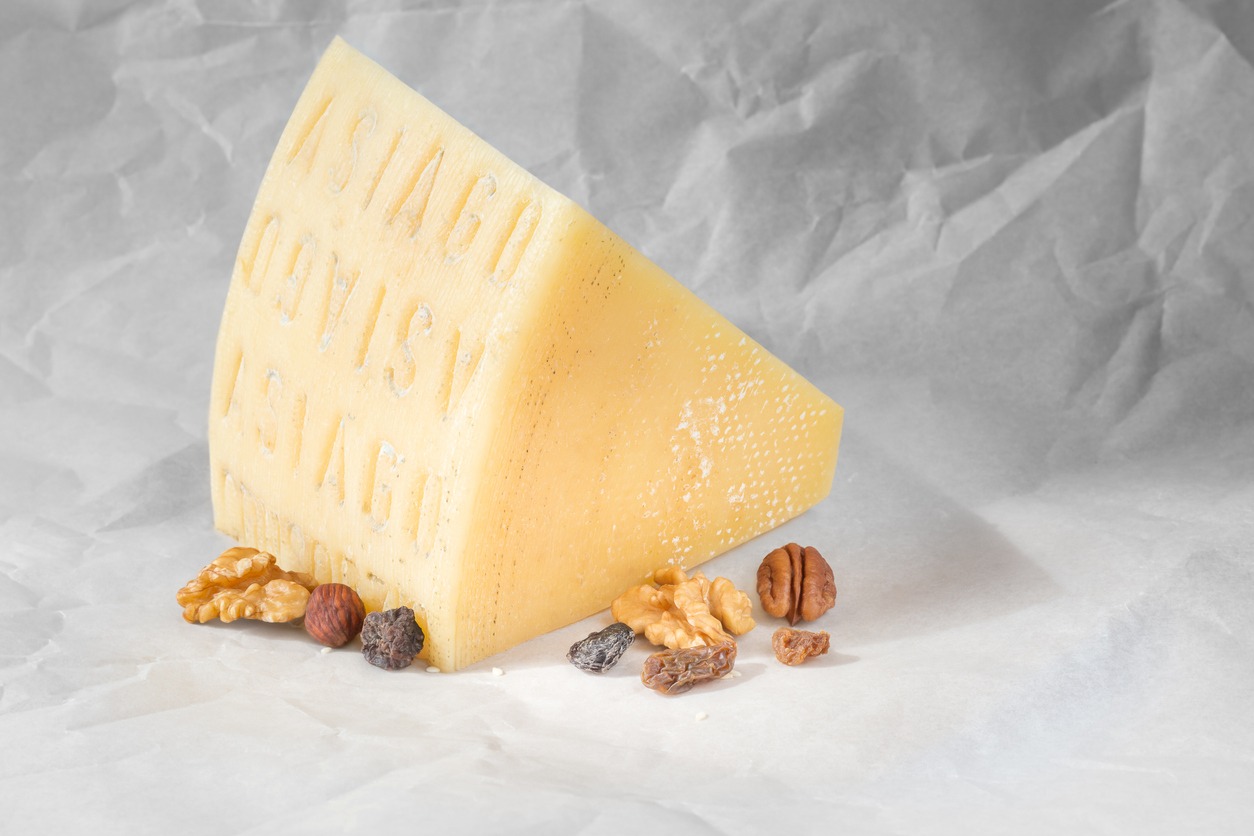
Asiago D’allevo is the aged version of Asiago cheese, which develops a firmer texture and bolder flavor as it ages. Known for its nutty taste, Asiago D’allevo can be stored outside the fridge for shorter periods, especially if well-wrapped and kept in a cool area.
Storing and Using Asiago D’allevo
To keep Asiago D’allevo fresh, wrap it in cheese paper or wax paper, then seal it in a container. Store it in a cool, dark place to preserve its flavor. This cheese is excellent for snacking, pairing with wine, or using as a topping on pizzas and salads. Its rich, complex taste also makes it a standout on cheese boards.
Dry Jack
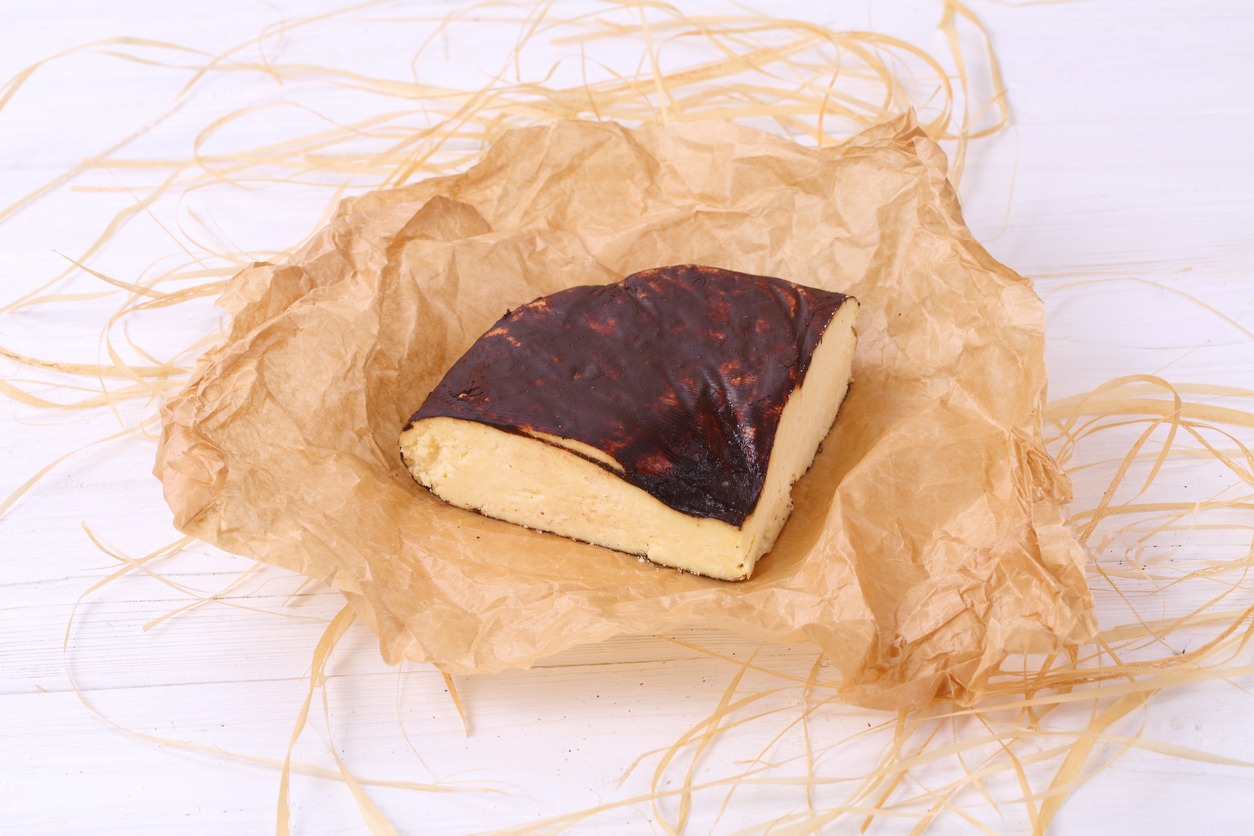
Dry Jack is an American cheese with a firm texture and long shelf life. Originally developed in California, this cheese is aged until it becomes hard, nutty, and slightly sweet. It’s perfect for those who want a flavorful cheese option that travels well.
Storing and Using Dry Jack
Dry Jack can be stored like other hard cheeses, wrapped in paper, and placed in a sealed container or bag. Keep it in a pantry or another cool spot. This cheese is wonderful when grated over Mexican dishes, added to salads, or simply enjoyed as a snack. Its unique flavor profile makes it a great addition to any cheese platter.
Shelf-Stable Processed Cheese Options
For those who prefer convenience, processed cheese products offer shelf stability with the added benefit of longer-lasting freshness. These options are especially useful for camping, travel, or emergency preparedness. From canned cheese to individually wrapped slices, processed cheese products are specifically made to withstand room temperatures until opened.
Popular Types of Shelf-Stable Processed Cheese
- Canned Cheese: Comes in a spray or spreadable form and is convenient for adding flavor on the go.
- Squeezable Cheese: Ideal for snacking or spreading on crackers during outdoor activities.
- Sealed Blocks: Some brands offer individually wrapped blocks that can be stored at room temperature, making them a portable snack.
Storing and Using Processed Cheese
Processed cheese products often have specific storage instructions on the label. In general, these cheeses should remain sealed until ready to use. Once opened, most need refrigeration to stay fresh. Processed cheese can be a lifesaver for quick snacks, topping nachos, or melting into sauces when fresh options aren’t available.
Tips for Storing Shelf-Stable Cheeses
- Keep it Cool and Dark: Store shelf-stable cheeses in a pantry, cupboard, or another cool, dry place. Avoid places exposed to direct sunlight, which can cause cheeses to sweat or dry out.
- Wrap Well: Use wax paper or parchment paper to wrap the cheese, then place it in an airtight container or bag. This helps prevent moisture loss while maintaining freshness.
- Check Regularly: While shelf-stable cheeses are durable, it’s good to keep an eye out for any changes in texture or smell. If you notice any unusual odors or mold (aside from natural surface mold on aged cheeses), it may be time to discard it.
Conclusion
Exploring shelf-stable cheeses is a great way to enjoy authentic flavors without the need for constant refrigeration. These cheeses offer both convenience and taste, perfect for everything from weekday meals to weekend adventures. So, next time you’re looking to try something different, consider stocking up on a few of these robust varieties. They’ll open up new possibilities in your kitchen, expand your culinary horizons, and save you some precious fridge space. Enjoy the journey of discovering cheeses that are built to last!
Related posts