Facts to Know About Canned Cheese: Essential Information for Consumers
Canned cheese is one of those curious inventions that divides opinions. Some people see it as a convenient, long-lasting pantry staple, while others consider it an unusual twist on traditional cheese. But whatever your view, canned cheese has a fascinating story that combines innovation, history, and a touch of fun.
In this article, we’ll take a journey through the world of canned cheese, from its surprising origins to its quirky varieties and cultural impact. You’ll also learn about how it’s made, what’s in it, and why some people love it while others raise an eyebrow. So, whether you’re a fan or a skeptic, you’re bound to learn something new about this one-of-a-kind food product.
Origins of Canned Cheese: A War-Time Invention
The story of canned cheese begins with an inventor and a war. In the early 20th century, James L. Kraft, founder of the iconic Kraft Foods, was on a mission to create a version of cheese that could be stored without spoiling. In 1916, he patented processed cheese, a creation that would soon become invaluable. His processed cheese could withstand long storage times, even under challenging conditions, and this quickly caught the attention of the U.S. military.
During World War I, canned cheese was sent to troops overseas as a reliable, spoil-resistant food source. Over six million pounds of Kraft’s canned cheese made their way into the hands of soldiers, providing a taste of home in an unfamiliar world. The cheese wasn’t just convenient—it was a morale booster. Soldiers could carry it with them and eat it anywhere, something that wasn’t possible with traditional cheese.
Once the war was over, Kraft’s processed cheese continued to grow in popularity. People began to realize its value as a convenience food. By the 1920s, canned cheese had made its way into homes across America, thanks to its long shelf life and ease of transport. Today, canned cheese remains a staple for camping trips, emergency kits, and quick meals.
Beyond World War I, the popularity of canned cheese surged during World War II, when military food supplies needed to be durable and easy to ship. By then, several brands were producing canned cheese, which was packed into rations for soldiers and civilians alike. This era cemented canned cheese as a symbol of both resilience and modern convenience. Following the wars, as people became busier and looked for shelf-stable foods, canned cheese found a loyal audience, especially among outdoor enthusiasts, travelers, and busy households.
Did You Know? Kraft’s invention was influenced by techniques developed by Swiss cheesemakers, who were also experimenting with ways to extend cheese’s shelf life.
Cougar Gold: A Unique Canned Cheese from Washington State
While most canned cheeses fall into the processed category, Cougar Gold is a standout. Created by Norman S. Golding, a food science professor at Washington State University, Cougar Gold is a true cheddar cheese made from whole milk. Unlike processed varieties, it doesn’t rely on additives or oils—it’s simply quality cheese aged in a can.
Cougar Gold was developed in the 1940s through a research grant aimed at creating better-packaged cheese for troops. The cheese’s unique canning process includes a wax coating that helps preserve its flavor and texture. After aging for about two months, the cheese takes on a creamy, mild cheddar taste that continues to develop over time. In fact, if left unopened, Cougar Gold can last for decades, making it a collector’s item for cheese enthusiasts.
Cougar Gold offers a smooth melt without the greasy texture common in other canned cheeses, making it versatile for everything from mac and cheese to sandwiches. It’s especially popular in Washington state, where fans of the cheese praise its high quality and authentic flavor.
Did You Know? Cougar Gold was originally a wartime project that ended up becoming a consumer favorite.
How Spray Cheese Works: Not Quite Aerosol
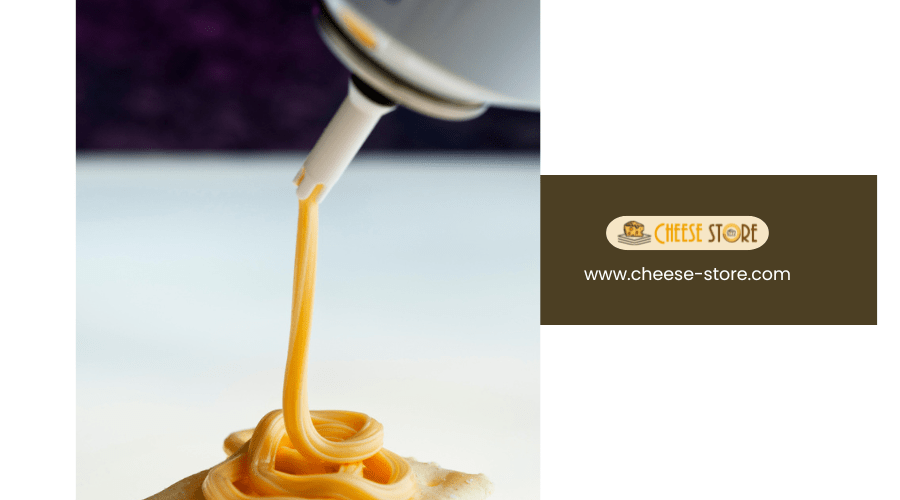
If you’ve ever had spray cheese, you know it’s not exactly the same as whipped cream. Although it looks like an aerosol can, the mechanics are different. Spray cheese comes in a two-part can: the cheese mixture is in the top part, while nitrogen gas is stored separately in the bottom. When you press the nozzle, the gas pushes the cheese out in a steady stream.
Spray cheese, which made its debut in 1965 as "Snack Mate" and later rebranded to "Easy Cheese" in 1984, was designed for convenience. The appeal was immediate—consumers could spray cheese directly onto crackers or other snacks without needing a knife or other utensils.
Here are the advantages of spray cheese:
- Easy to use: Just press the nozzle and apply
- No propellants mixed in: The nitrogen only pushes the cheese out, keeping it fresh
- Fun shapes: You can create designs, making them a hit with kids and nostalgic adults alike
Did You Know? Despite Kraft’s legacy with canned cheese, he didn’t invent spray cheese. The credit goes to Nabisco.
What’s Really Inside Canned Cheese?
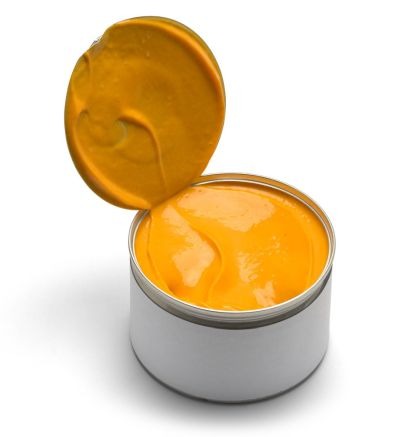
One of the main differences between canned cheese and traditional cheese lies in the ingredients. While aged cheese is typically made with milk, salt, and cultures, canned cheese often includes a range of emulsifiers, preservatives, and stabilizers to achieve its texture and shelf life.
Here are some common ingredients in canned cheese:
- Brown seaweed extract: An emulsifier to keep the texture consistent.
- Sodium benzoate and potassium sorbate: Preservatives that help prevent spoilage.
- Annatto and carotenoids: Natural colorants for that familiar orange hue.
- Cellulose gum: Adds texture and stabilizes the cheese.
- Calcium chloride: Keeps the cheese from separating in the can.
- Citric acid: Adds a tangy taste.
These ingredients might seem surprising, but they’re all FDA-approved and tested for safety. Each one contributes to the way canned cheese looks, feels, and tastes.
Did You Know? Some processed cheeses use cellulose, which comes from wood pulp or plant fibers, to create a smooth consistency.
Cougar Gold’s Remarkable Shelf Life
One of the standout features of Cougar Gold is its impressive shelf life. If kept unopened and refrigerated, this canned cheese can last for decades, with some unopened cans reported to stay fresh for over 25 years. The aging process continues in the can, giving the cheese a sharper flavor as time passes.
To maximize Cougar Gold’s shelf life:
- Store it in the original sealed can.
- Keep it refrigerated.
- Don’t open it until you’re ready to use.
Once opened, it’s best to consume the cheese within a few weeks, as it may start to dry out over time. Cougar Gold’s long shelf life makes it a favorite for stocking up, and its aging properties mean the cheese only gets better with time.
Did You Know? Cougar Gold’s shelf stability was initially intended for military use, but today, it’s a staple in homes, especially in Washington.
Canned Cheese and Snacking Culture

Nabisco had a clever idea in the 1980s: if people love crackers, why not offer a cheese that pairs perfectly with them in a convenient can? Thus, Snack Mate was born, designed as an instant snack that could be squeezed right onto crackers.
Nabisco’s strategy worked. Snack Mate became a popular snack item, particularly for quick, no-mess appetizers. People used it for everything from grilled cheese sandwiches to nachos. You can try these:
- Spray Cheese Nachos: Layer tortilla chips, sliced jalapenos, and a generous amount of spray cheese. Pop in the microwave until the cheese melts slightly.
- Easy Grilled Cheese: Spread a layer of canned cheese on bread and grill with butter until golden.
Did You Know? The convenience of canned cheese helped boost cracker sales, as people often bought them together for easy snacking.
Canned Cheese as a Jamaican Easter Tradition
Canned cheese has a unique place in Jamaican Easter celebrations, where a particular brand called Tastee Cheese is a staple. During the Easter season, it’s common to pair Tastee Cheese with spiced Easter Bun, a rich fruit cake that balances the cheese’s savory flavor.
Simple Recipe for Easter Bun with Cheese:
- Slice the Easter Bun.
- Spread butter on each slice.
- Melt Tastee Cheese and pour over the slices.
- Enjoy!
This combination of sweet and savory has become an essential part of Jamaican Easter gatherings, and Tastee Cheese remains a beloved item across the island.
Did You Know? While Easter is the peak season for Tastee Cheese, many Jamaicans keep it as a pantry staple all year.
Make Your Own Spray Cheese at Home
For those interested in a DIY approach, making your own spray cheese can be a fun and healthier alternative to store-bought options. You can skip the preservatives and create a fresh version using simple ingredients.
Homemade Spray Cheese Recipe:
- Ingredients: Cheddar cheese, butter, garlic powder, onion powder, cream cheese, and skim milk.
- Instructions: Shred the cheddar and blend all ingredients until smooth. Transfer to a whipped cream dispenser or spray can, and refrigerate overnight.
With a few added spices or even a dash of smoked paprika, you can customize the flavor to suit your taste. Making your own spray cheese is also cost-effective and reduces waste.
Canned Cheese in Pop Culture: Cheez Whiz in "Mare of Easttown"
HBO’s “Mare of Easttown” earned praise for its realistic portrayal of life in Pennsylvania, and a surprising star of the show was Cheez Whiz. Kate Winslet’s character, Mare, used Cheez Whiz in everyday scenes, grounding the show in authentic regional culture.
The use of Cheez Whiz added a touch of realism that resonated with viewers, particularly those familiar with the product’s regional popularity. It even sparked a bit of nostalgia for fans, who appreciated the attention to detail.
Did You Know? Cheez Whiz served as a cultural symbol in the show, highlighting local food traditions.
Safety Tips: Botulism Scare and Modern Canning Practices
In 1996, a botulism outbreak in Georgia raised concerns about the safety of canned cheese. Twenty-one people fell ill after consuming a canned cheese sauce, and tragically, one person passed away. The incident shed light on the risks of old-fashioned canning methods, such as open-kettle canning, which doesn’t reach the high temperatures needed to kill harmful bacteria.
Today, manufacturers use safer methods like closed-kettle and aseptic canning, which are far more effective at keeping bacteria out of food.
Tips for Safe Canned Cheese Consumption:
- Check expiration dates before buying.
- Avoid cans with dents or bulges.
- Read the label to see how it was produced.
Conclusion
Canned cheese is a remarkable food product that has found its way into pantries, camp kits, and even pop culture. Whether you’re a fan of its practicality or just curious about its quirks, there’s no denying that canned cheese offers a unique blend of history, convenience, and cultural significance. So next time you see a can of cheese on the shelf, remember: there’s more to it than meets the eye.
Related posts