How to Store Cheese for Maximum Freshness
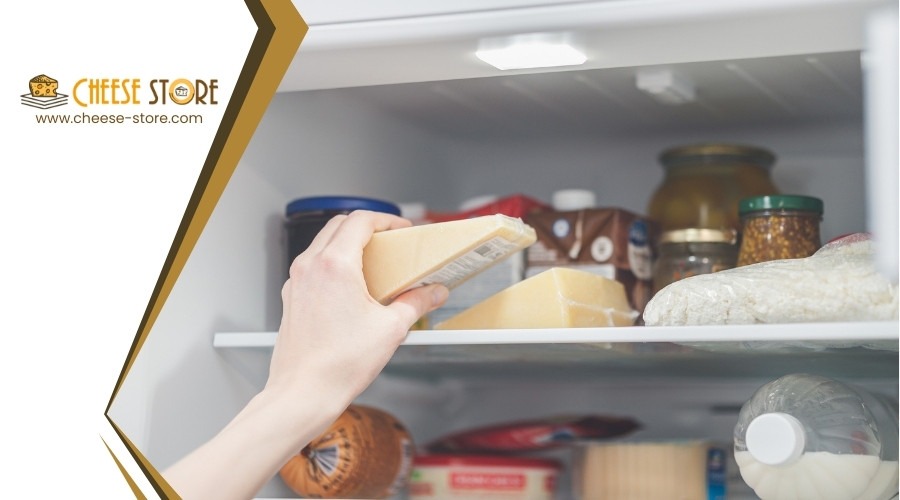
Cheese, with its diverse range of flavors and textures, is a delightful addition to any kitchen. But to enjoy its best qualities, proper storage is key. Whether you're a fan of creamy brie, sharp cheddar, or nutty Parmesan, understanding how to store cheese correctly can make a significant difference in its freshness and flavor. In this guide, we'll walk you through everything you need to know about keeping your cheese at its best, from choosing the right wrapping materials to the perfect fridge spot. Let's dive in!
Understanding Cheese Types and Their Storage Needs
First things first—cheese isn't a one-size-fits-all product when it comes to storage. The method you use depends on the type of cheese. Generally, cheese falls into several categories: soft, semi-soft, hard, and blue. Each type has unique storage needs:
- Soft Cheeses (e.g., brie, mozzarella, and camembert): These cheeses have high moisture content, making them more perishable. They usually last 1–2 weeks in the fridge.
- Semi-Soft Cheeses (e.g., gouda, Monterey Jack): These have slightly lower moisture levels, offering a bit more flexibility in storage. They can last up to 2–3 weeks once opened.
- Hard Cheeses (e.g., cheddar, Parmesan): Hard cheeses have the longest shelf life due to their lower moisture content. Unopened, they can last up to 6 months, and after opening, 3–4 weeks.
- Blue Cheese (e.g., Roquefort, Gorgonzola): These require specific conditions to maintain their flavor and texture. Blue cheeses can be stored for 2–3 weeks after opening.
By understanding your cheese's category, you can better match its storage needs to prolong its life and taste.
The Ideal Storage Temperature
Temperature plays a critical role in cheese storage. Cheese prefers a cool, stable environment—ideally between 35–45°F (1.5–7°C). The back of the fridge is often the coldest and most stable spot, making it a great choice for storing cheese.
Avoid the Fridge Door: While it might be convenient to store cheese in the door compartment, this area tends to fluctuate in temperature. Consistent temperature changes can affect cheese quality, leading to faster spoilage.
The Produce Drawer: If you have space, the produce drawer is an ideal location. It offers a balance of cool temperature and humidity, which helps maintain cheese texture and flavor.
Shelf Life of Different Cheeses
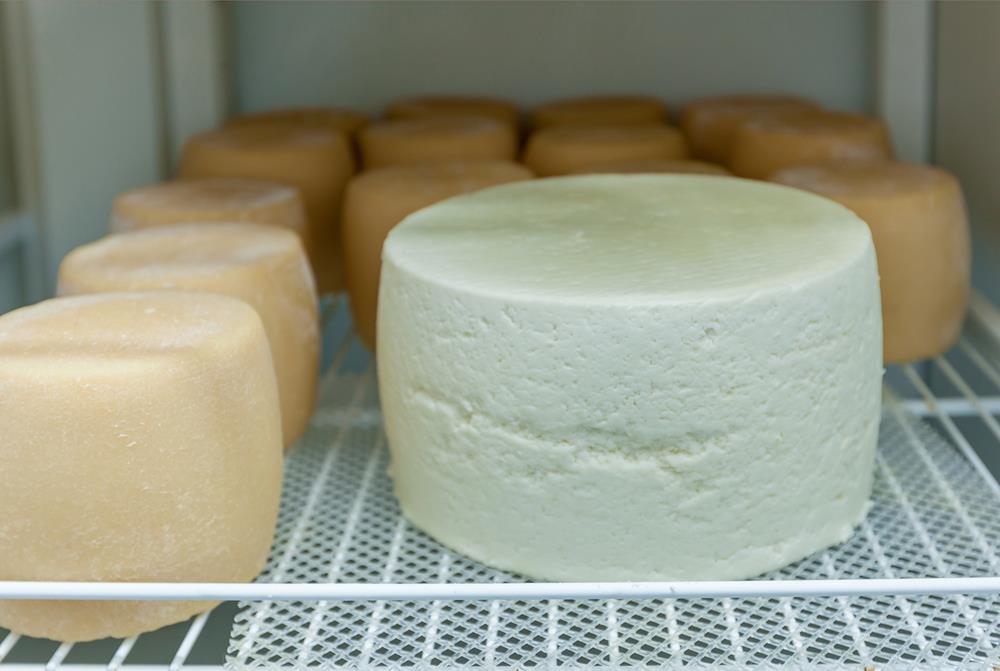
Knowing the shelf life of various cheese types is crucial for proper planning and usage. Here's a breakdown:
- Soft Cheeses: Generally, soft cheeses like mozzarella and brie stay fresh for 1–2 weeks in the fridge. Mozzarella stored in its brine can last up to a week after opening. It's best to consume these cheeses quickly as their high moisture content makes them prone to spoilage.
- Semi-Soft Cheeses: These can stay fresh for 2–3 weeks after opening. They offer a bit more flexibility than soft cheeses but still need proper wrapping and storage.
- Hard Cheeses: Cheddar, Parmesan, and other hard cheeses last the longest, staying fresh for up to 6 months unopened and about 3–4 weeks once opened. Freezing can extend their life to about 6 months, although texture might be compromised.
- Blue Cheeses: Blue cheeses can be stored for about 2–3 weeks once opened. Check regularly for any signs of spoilage, like ammonia odors or excessive mold growth beyond the intended blue veining.
Wrapping Cheese Properly
Proper wrapping is crucial for maintaining cheese freshness. The goal is to let the cheese breathe while also preventing it from drying out or absorbing other odors.
- Avoid Plastic Wrap: While convenient, plastic wrap is not ideal for cheese. It can trap moisture, causing unwanted mold growth and altering the cheese's flavor. Over time, it may even impart a plasticky taste.
- Use Cheese Paper or Wax Paper: Specialty cheese paper is the best option as it allows the cheese to breathe while offering protection. If you don't have cheese paper, wax or parchment paper works well too. These materials provide a barrier while letting some air pass through, helping cheese maintain its texture.
- Add an Extra Layer: After wrapping in cheese paper or wax paper, consider placing the cheese in a container with small holes or a perforated plastic bag. This double layer offers additional protection without trapping moisture.
Using the Right Storage Containers
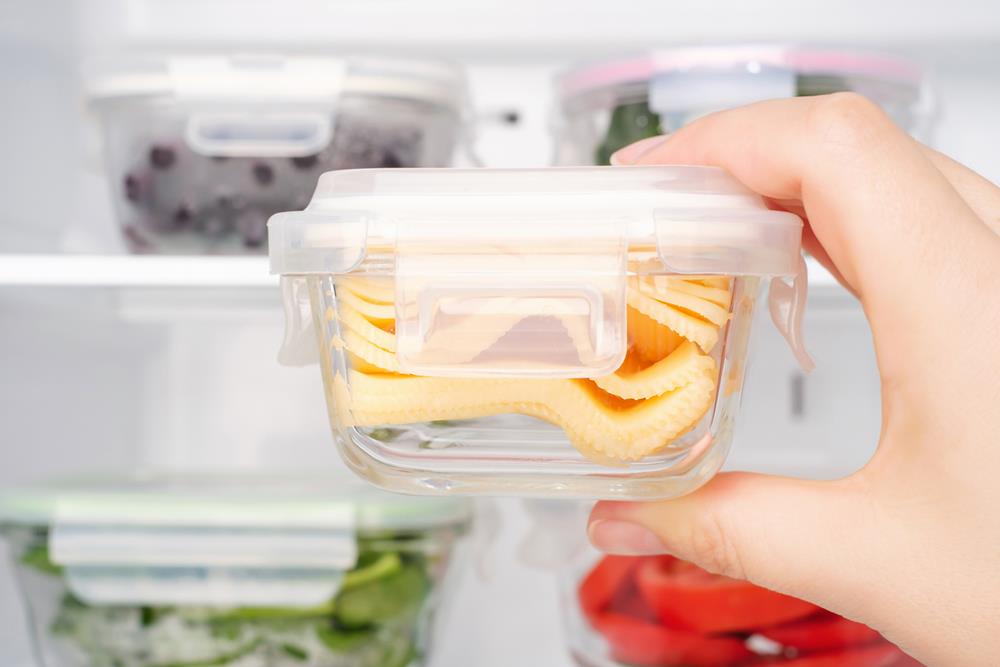
Storing cheese in the proper container can make a difference in preserving its freshness:
- Breathable Containers: Glass containers with perforated lids or plastic containers with small holes work well for cheese storage. They provide a semi-sealed environment that allows airflow, which is crucial for maintaining cheese's natural state.
- Airtight Containers: For shredded or grated cheese, airtight containers are a great choice. They keep moisture out and prevent the cheese from drying. Hard cheeses like Parmesan can also be stored this way, as they benefit from a sealed environment once opened.
- Cheese Domes: A cheese dome is a specialized container that creates a humid environment perfect for soft cheeses like brie and camembert. It helps keep these cheeses fresh without compromising their delicate texture.
Tips for Storing Different Cheese Types
Each cheese type requires special attention:
- Soft Cheeses: Soft cheeses are delicate and require proper care. If you notice mold growth, it's best to discard the cheese entirely. For short-term storage (1–2 days), you can keep the cheese in its original plastic wrap. For longer storage, re-wrap it in parchment or wax paper, then loosely wrap it in foil for added protection. Mozzarella should remain in its brine and be consumed within a week.
- Hard and Semi-Hard Cheeses: These cheeses are sturdier but still benefit from proper wrapping. For short-term storage, a layer of plastic wrap is acceptable, but for long-term storage, wrap them in parchment or wax paper and add a layer of foil. If mold appears, simply cut out a 1-inch radius around the affected area, and the rest of the cheese is safe to use.
- Pre-Shredded Cheese: Store it in its original bag or transfer it to a resealable plastic bag. It generally lasts 1–2 weeks after opening. For longer storage, shredded cheese freezes well and can last up to 3 months in the freezer.
- Sliced Cheese: To avoid freezer burn, place sliced cheese in a resealable bag or wrap it tightly in foil and then put it in a freezer bag. Frozen cheese can be stored for up to 2 months. To use, thaw it in the fridge overnight.
Monitoring Humidity Levels
Cheese thrives in a humid environment, but too much moisture can lead to spoilage. Aim for a humidity level of around 80–90%, which is ideal for most cheeses. Here's how you can achieve it:
- Cheese Drawer: Many refrigerators have a designated cheese or deli drawer. These drawers often maintain higher humidity levels, making them perfect for cheese.
- Moisture-Absorbing Packs: You can use a small moisture-absorbing pack in your cheese storage container to control excess humidity, especially for semi-soft and soft cheeses.
Dos and Don'ts for Freezing Cheese
Freezing cheese can extend its life, but it's not suitable for all types. Here's what you need to know:
- Best for Hard Cheeses: Hard cheeses like cheddar and Parmesan freeze well, maintaining flavor while the texture may change slightly. To prevent freezer burn, wrap cheese tightly in plastic wrap and place it in a freezer bag.
- Avoid Freezing Soft Cheeses: Soft cheeses like brie and camembert don't freeze well as the texture becomes crumbly. If you must freeze, wrap them carefully and note that the texture may not be as appealing when thawed.
- How to Freeze Sliced and Shredded Cheese: Pre-shredded cheese can be frozen straight in its original packaging. Sliced cheese should be wrapped in foil before being placed in a freezer bag.
Labeling and Tracking Your Cheese
To keep track of your cheese's freshness, always label and date your cheese when you store it. This is especially useful for shredded and sliced varieties. You can also keep a cheese log for gourmet cheeses that change in flavor as they age. Note down purchase dates, storage conditions, and any changes in flavor to get the most out of your cheese experience.
Conclusion
Storing cheese properly isn't complicated, but it requires a little care. By understanding the needs of different cheese types and following the best storage practices, you can enjoy your cheese for longer while preserving its flavor and texture. Whether you're storing mozzarella for a quick snack or aging cheddar for a bold bite, these tips will help keep your cheese fresh and delicious. Enjoy exploring the world of cheese with confidence! And if you like to test your cheese knowledge, try out our cheese quizzes!