Why Are the African American Origins of Mac and Cheese Are so Hotly Debated?
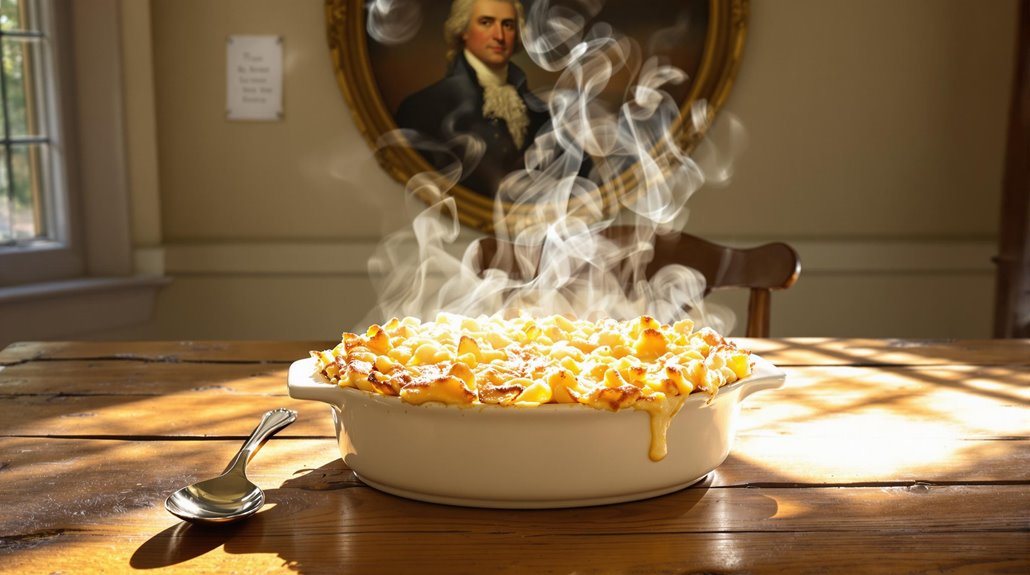
Mac and cheese sparks fierce debate because it's deeply woven into African American cultural identity and culinary innovation. You'll find passionate discussions about whether to use a French-influenced roux base (traced to enslaved chef James Hemings) or a traditional custard style. These cooking methods reflect both the ingenuity of Black cooks and generations of family traditions. The ongoing conversation reveals how this beloved comfort food carries weighty historical and emotional significance.
The Historical Roots of Black Mac and Cheese Culture
While many Americans consider mac and cheese a universal comfort food, its roots in Black American culture run remarkably deep. You can trace its American origins back to James Hemings, an enslaved chef who learned to make the dish while in France with Thomas Jefferson. From there, Black Southern women transformed the recipe, developing their own egg custard-based version that's become a cornerstone of soul food cuisine.
Throughout Georgia and Alabama and across the South, you'll find mac and cheese featured prominently in cherished Family Soul Food Cookbooks, passed down through generations. Every Southern woman and cook has their own special touch, making it a dish that's both deeply personal and communally significant. It's more than just comfort food - it's a symbol of Black American culinary innovation and cultural preservation. The dish gained even wider recognition when commercial cheese factories began mass-producing cheese in the 1850s, making the key ingredient more accessible to home cooks across America.
James Hemings' Legacy and French Influence
How did a young enslaved chef revolutionize American cuisine? When James Hemings traveled to France as Thomas Jefferson's enslaved companion, he became proficient in the art of French cooking, including a béchamel-based roux that would transform how Americans make mac and cheese. You'll find his influence in the way Black Southern cooks combine elbow macaroni with rich combinations of cheddar cheese, smoked gouda, and other varieties - a technique rooted in Hemings' exposure to cheese in France.
His culinary tradition represents more than just a recipe; it's a lasting legacy to how enslaved people shaped American food culture. While many cookbooks overlook his contribution, Hemings' French influence on mac and cheese remains a cornerstone of Black American cuisine, demonstrating how a single chef's skill can leave an enduring mark on food history. The combination of starter cultures and rennet in French cheese-making techniques that Hemings learned would later influence the distinctive flavors in American macaroni and cheese preparations.
Regional Variations Within Black Communities
Where you'll find mac and cheese across Black communities in America, you'll unearth distinct regional interpretations that reflect local tastes and traditions. The roots of these variations run deep, from the cheese selections in Georgia to the specific cooking rituals passed down through generations. You'll hear families proclaim their version as the "right way," each recipe punctuated by childhood memories and regional esteem.
Rather than a persistent debate over authenticity, these diverse preparations showcase the heart of Black culinary innovation. You might encounter a roux-based version in one home, while just down the street, a cook swears by their egg custard foundation. These differences don't diminish the dish's cultural significance - instead, they demonstrate how Black communities have adapted and evolved this beloved comfort food to make it uniquely their own. Some families even incorporate blue cheese varieties into their recipes, creating bold new interpretations of this classic dish.
The Great Roux vs. Custard Base Divide
The fierce debate between roux and custard-based mac and cheese preparation strikes at the heart of Black culinary heritage. You'll find these two distinct methods punctuated with persistent loss and triumph in Black kitchens across America.
- The roux method, brought by James Hemings, represents fancy cheeses I can't pronounce and bolstered techniques.
- The custard base showcases how I've made my mac with simpler, accessible ingredients.
- Brown macaroni and cheese became a presence that made me reconsider how traditions evolve.
- These cooking rituals are a scrumptious manifestation of adaptability.
While some may clutch their purple spine and gold lettering cookbooks defending one method, both styles authentically represent Black culinary innovation. The beauty lies not in choosing sides but in recognizing how both approaches have sustained and nourished Black foodways through generations.
Preserving Family Recipes Through Generations

Since memories fade and loved ones pass on, preserving Black America's mac and cheese traditions has become increasingly urgent. You'll find families scrambling to document their elders' traditional recipes, filled with cheeses I can't pronounce and techniques that needed formal instruction. The COVID-19 pandemic has made this preservation even more critical, as many families lost the keepers of their culinary rituals before recipes could be properly documented.
TikTok has emerged as a modern solution, with videos capturing grandmothers and aunts making mac and cheese, sharing stories as precious as my mom's favorites. These digital chronicles, unlike the books presence made with ashen purple spine and gold lettering that twinkled, offer intimate glimpses into Black kitchens where the traditional recipe I knew gets passed down through generations of loving hands.
Social Media's Impact on Cultural Food Debates
Social media platforms have altered traditional food debates into viral cultural movements, particularly around mac and cheese's origins. You'll notice how these online conversations have shifted cultural discourse around traditional dishes, especially when discussing Black American roots and culinary contributions.
Consider how social media has intensified the debate through:
- Recipe sharing that connects families across generations
- Personal anecdotes that highlight holiday traditions
- Viral content that sparks heated discussions about cultural significance
- Real-time engagement that amplifies diverse voices and perspectives
When you scroll through your feed during major holidays, you'll see how the mac and cheese discussion resurfaces with renewed vigor. This digital magnification has pushed more people to examine and acknowledge the dish's complex heritage, leading to deeper conversations about cultural ownership and recognition.
Reclaiming Black Culinary Heritage
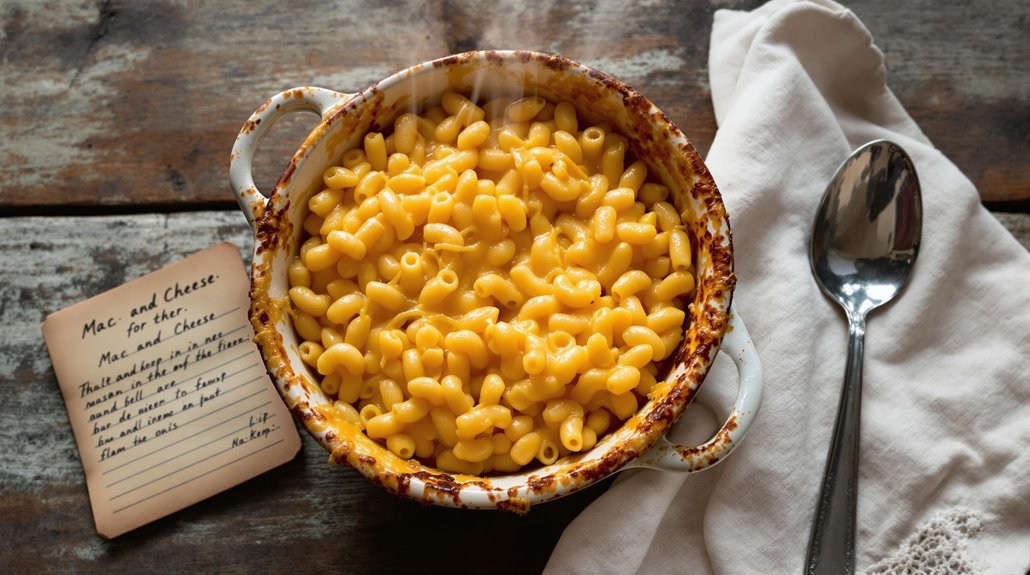
Beyond social media debates, reclaiming Black culinary heritage centers on a deeper mission of cultural preservation and recognition. When you trace the roots of macaroni and cheeses in Black American culture, you'll find a rich fabric of family gatherings, from Thanksgiving dinners in Georgia to weekend celebrations where every woman in the family would cook their signature version of the dish.
This beloved comfort food carries more than just childhood memories - it's at the heart of preserving generational knowledge. You're not just enjoying a dish; you're connecting with a heritage that's been passed down through countless Black families. By acknowledging these origins, you're helping maintain that these traditional recipes and the cultural significance behind them continue to nourish and inspire future generations.