How Long Can Cheese Be Left Out of the Fridge? Safe Storage Tips for Every Type

Cheese is a kitchen staple worldwide, loved for its rich flavors and versatility. Whether it’s sprinkled on pasta, spread on bread, or served with fruit, cheese can elevate any dish. But when it comes to storing it safely, many people are left wondering: How long can cheese be left out of the fridge? The answer varies depending on the type of cheese and a few other factors.
In this article, we’ll dive into the dos and don’ts of storing cheese outside the fridge, identify the differences between cheese types, and offer some practical tips to keep your cheese fresh and safe. By the end, you’ll know exactly how to handle your cheese for the best flavor and quality and, most importantly, safety.
Understanding the Factors that Impact Cheese Shelf Life
Different cheeses behave differently outside the fridge. Their safety and quality depend on factors such as moisture content, texture, aging process, and the storage environment. Here’s a breakdown of what impacts how long each type of cheese can stay out.
- Moisture Content
Moisture is the main factor affecting cheese spoilage. Hard cheeses have less moisture, which helps them stay fresher longer, while soft cheeses with higher moisture spoil faster. - Cheese Texture
Hard cheeses like Parmesan or Cheddar have dense textures that keep bacteria at bay. Softer cheeses like mozzarella and cream cheese, however, are more porous, allowing bacteria to grow more quickly. - Storage Environment
Temperature and humidity affect cheese shelf life. Ideally, cheese should be kept at 35-45°F with 80-95% humidity. Outside the fridge, room temperature conditions (68-72°F) accelerate spoilage, especially in humid areas.
By understanding these factors, you can make smarter choices about leaving cheese out of the fridge.
Types of Cheese and Their Room Temperature Limits

Cheese comes in many forms, each with its own shelf life and storage needs. Here’s a look at the main types of cheese and how long they can be safely left out at room temperature:
1. Hard Cheeses
Because of their low moisture content, hard cheeses have the longest shelf life outside the fridge. Examples include Parmesan, Grana Padano, and aged Cheddar. Hard cheeses can sit out for up to 4 hours without major safety risks.
Why They Last Longer: Hard cheeses age for 6 months to 3 years, during which they lose most of their moisture. This drying process creates a dense texture that is naturally resistant to bacteria.
Use Tips: Hard cheeses are great for grating over pasta or salads and hold their flavor well even when stored at room temperature for a short time.
2. Semi-Hard Cheeses
Semi-hard cheeses, like Swiss, Gouda, and Manchego, offer a balance between firmness and moisture. These cheeses can generally last 2 to 4 hours outside the fridge, but it’s best to return them to cool conditions within 2 hours if possible.
Why They’re Versatile: Semi-hard cheeses age for 1 to 6 months, developing complex flavors while still retaining enough moisture to remain soft and flavorful.
Use Tips: Slice these cheeses for sandwiches, melt them in dishes, or enjoy them as part of a cheese board.
3. Semi-Soft Cheeses
Semi-soft cheeses, such as Fontina, Havarti, and Provolone, contain more moisture and typically age for 30-90 days. They should not be left out for more than 2 hours.
Why They Spoil Faster: With higher moisture, semi-soft cheeses have more potential for bacterial growth, making them more perishable at room temperature.
Use Tips: Semi-soft cheeses melt well, so they’re excellent in fondue or grilled sandwiches. Their creamy texture adds richness to any dish.
4. Soft Cheeses
Soft cheeses, also called fresh cheeses, have the highest moisture content, which makes them highly perishable. Cream cheese, ricotta, burrata, and fresh mozzarella fall into this category. Soft cheeses should be returned to the fridge within 2 hours to avoid bacterial growth.
Why They Need Refrigeration: Fresh cheeses are often made with little to no aging, resulting in a delicate texture and high moisture that bacteria love. Soft cheeses spoil quickly if left at room temperature.
Use Tips: Spread soft cheeses on bread, crumble them over salads, or use them as a dip. Just remember to refrigerate any leftovers promptly.
Quick Reference: Room Temperature Guidelines
| Cheese Type | Safe Time Out of Fridge |
| Hard | Up to 4 hours |
| Semi-Hard | Up to 4 hours |
| Semi-Soft | Up to 2 hours |
| Soft | Up to 2 hours |
Signs of Spoiled Cheese: When to Toss It
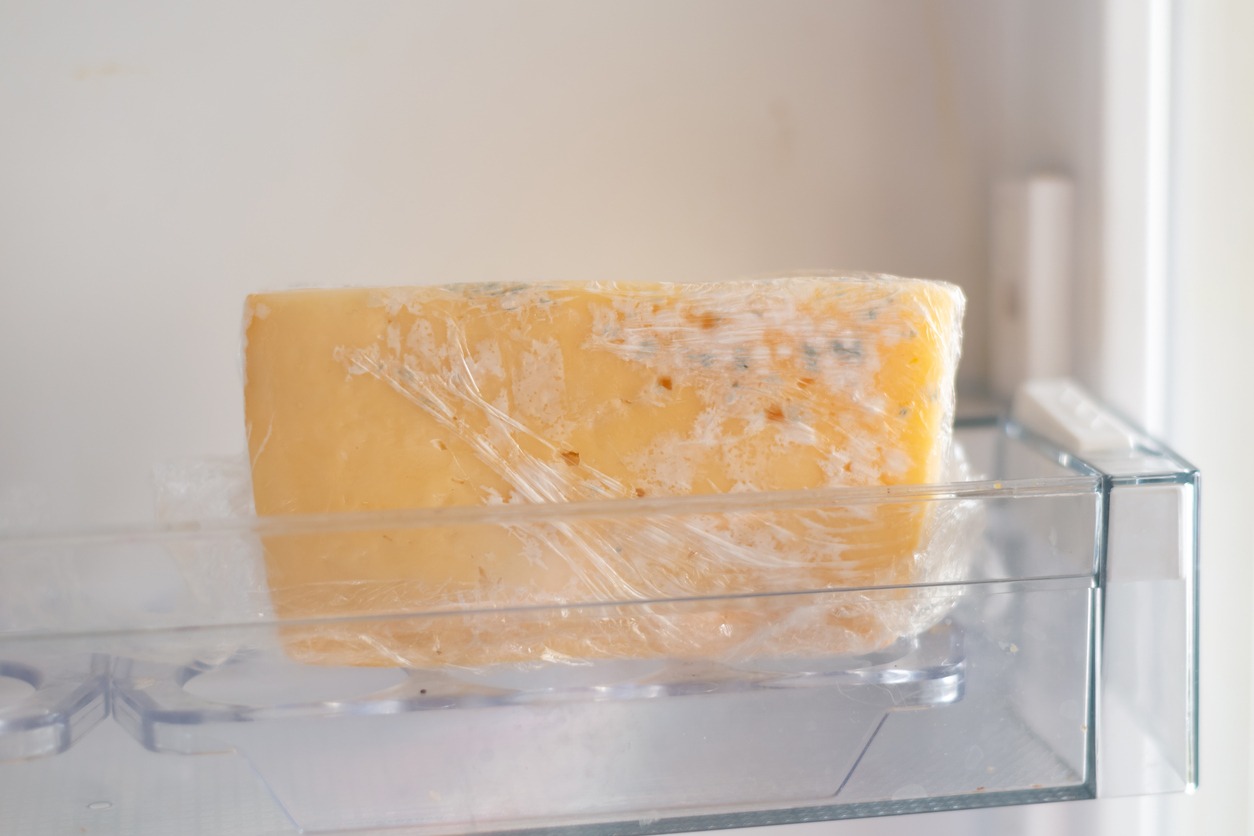
Even if your cheese hasn’t reached its time limit, it’s a good idea to check for spoilage signs. Spoiled cheese often has noticeable changes in appearance, texture, and smell. Here’s what to look out for:
- Mold Growth: White, green, blue, or black fuzz indicates mold, especially if it’s on soft cheeses.
- Strong, Unpleasant Odor: Fresh cheese has a mild aroma, but spoilage gives off sour or ammonia-like smells.
- Slimy or Sticky Texture: If the cheese feels slimy, especially on the rind, it’s a sign of spoilage.
- Darkened or Dried Out Spots: These changes indicate that the cheese has lost its moisture or has oxidized, affecting taste and safety.
If you notice any of these signs, it’s best to discard the cheese. Remember, soft cheeses spoil faster than hard cheeses, so if a soft cheese has been out over 2 hours, it’s safer to throw it away.
Tips for Proper Cheese Storage
Storing cheese correctly is key to extending its shelf life and preserving its flavors. Each cheese type requires different handling:
- Hard Cheeses
Wrap hard cheeses in parchment or wax paper, followed by a loose layer of plastic wrap or a resealable bag. This setup allows the cheese to “breathe” while staying protected from drying out. - Semi-Hard Cheeses
Use cheese paper or wax paper for semi-hard cheeses, as these materials allow airflow and prevent moisture build-up. Avoid using plastic wrap directly, as it can trap moisture and promote bacterial growth. - Semi-Soft and Soft Cheeses
Soft cheeses should stay in their original containers, along with any accompanying liquids (like brine for fresh mozzarella). If repacking, use airtight containers to retain moisture without causing spoilage. - Storage Location in Fridge
The best place for cheese in the fridge is the vegetable drawer, where humidity levels are higher and temperatures are steady.
By wrapping and storing cheese properly, you can extend its freshness. Just remember: bring it to room temperature before serving for the best flavor and texture.
Safe Serving Tips
To enhance the flavor of cheese, serve it at room temperature. Take your cheese out of the fridge about 30 minutes before serving. This gives it time to soften and reach its peak flavor. However, keep these guidelines in mind to avoid spoilage:
- Only Remove What You Plan to Eat: Instead of putting out an entire block or wheel, slice or portion the amount you need.
- Cover the Cheese: Use a cheese dome or a cover to keep out dust and reduce moisture loss.
FAQs on Cheese Storage and Shelf Life

Here are some common questions people have about storing cheese and keeping it fresh:
Q: How long can cheese stay out?
A: Most cheeses should not be left out for more than 2 hours. Hard cheeses, however, can last up to 4 hours at room temperature before quality starts to decline.
Q: What’s the difference between hard and soft cheese?
A: Hard cheeses have lower moisture, typically between 49-69%, allowing them to last longer outside the fridge. Soft cheeses have a higher water content, making them more perishable.
Q: How can you tell if cheese is spoiled?
A: Look for odd smells, mold, sliminess, and dryness. Soft cheeses may smell sour or look slimy, while hard cheeses may crack or darken.
Q: Is it safe to eat cheese left out overnight?
A: No, it’s not safe to eat cheese left out overnight. Bacteria can grow rapidly, especially in soft cheeses, so discard any cheese left out for over 4 hours.
Q: Can cheese be refrozen after sitting out?
A: If hard cheese has been out less than 4 hours and shows no signs of spoilage, it can go back in the fridge. Soft cheeses left out for more than 2 hours should be discarded.
Final Thoughts on Cheese Storage and Safety
Cheese is a flavorful and versatile food, but it’s also perishable. Following safe storage guidelines can help you enjoy your favorite cheeses without risking spoilage or foodborne illness. To recap:
- Know your cheese type and its storage needs.
- Store it correctly using the right materials and fridge spots.
- Serve at room temperature, but be mindful of time limits.
With these simple tips, you’ll keep your cheese fresh, safe, and full of flavor—so you can savor every delicious bite.